
What should you know about cholera long term effects?
Short answer
Most people recover from cholera when fluid and salt losses are replaced promptly, while severe dehydration can leave weakness or other health problems requiring follow-up.
This answers one question. It is not a diagnosis and does not replace an assessment by a licensed doctor.
At a glance
- Main mechanism
- Loss of water and electrolytes
- Recovery concern
- Weakness or poor intake after dehydration
- Follow-up trigger
- Continuing diarrhoea or reduced urination
Possible effects after cholera
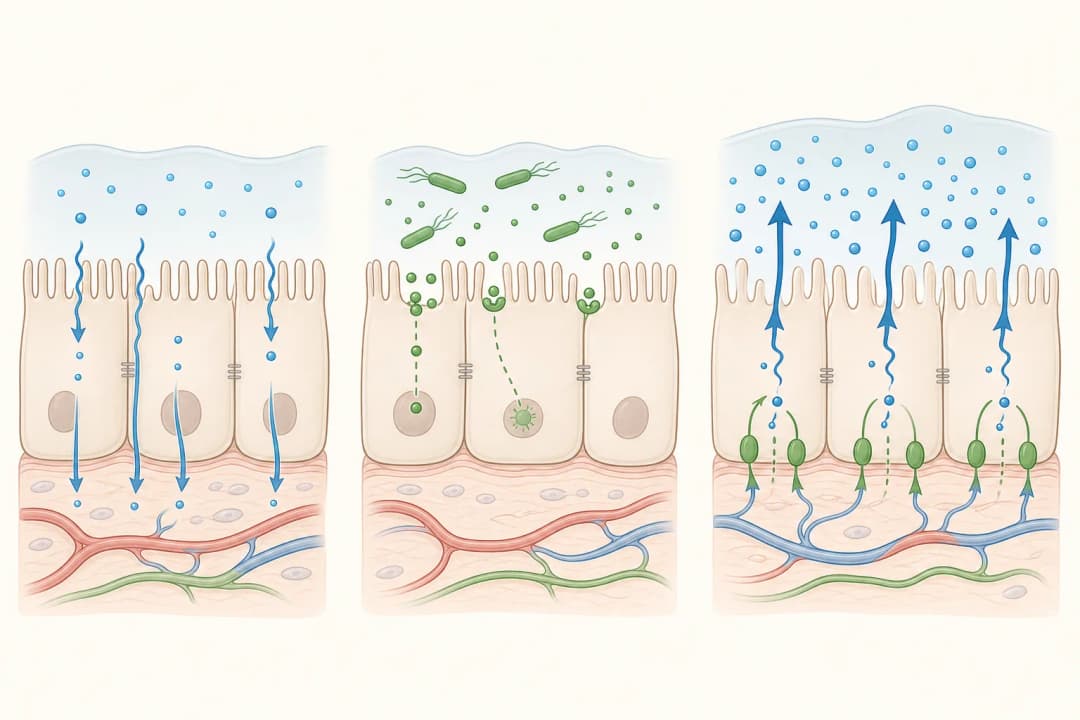
Cholera mainly harms the body through sudden loss of water and electrolytes in profuse watery diarrhoea. After the infection settles, a person may feel tired, light-headed, weak, or less able to eat for a while. Recovery can be harder for infants, older adults, pregnant people, and anyone with another illness.
Ongoing diarrhoea, poor intake, reduced urination, or continuing weight loss deserves review because another cause may be present or hydration may not be adequate. Read about the symptom itself at [Diarrhoea](/symptoms/diarrhoea/).
Supporting recovery
Continue the rehydration plan given by your clinician and take small, frequent drinks if nausea makes larger amounts difficult. Resume nourishing foods as tolerated, keep hands clean, and avoid preparing food for others while diarrhoea continues. Do not use leftover antibiotics or anti-diarrhoeal medicines without medical advice.
A clinician can check hydration, urine output, alertness, and any underlying condition. Severe depletion may need [IV Fluid Therapy](/treatments/acute-and-urgent-care/iv-fluid-therapy/), while milder losses may be managed with [Oral Rehydration Therapy](/treatments/acute-and-urgent-care/oral-rehydration-therapy/).
When to seek care
Get urgent help if weakness is worsening, urine becomes very scarce, the person is confused or faint, drinking is not possible, or vomiting prevents rehydration. Seek review for diarrhoea that does not settle, blood in stool, fever, or symptoms in a vulnerable person, because the cause and treatment may need reassessment.
Questions for your doctor
Ask whether your hydration has recovered, when normal activity and diet can resume, whether medicines need changing, and which continuing symptoms should trigger a follow-up appointment.
Find care
General Clinics & Polyclinics in Abu Dhabi
That answer is general. If you want it applied to your own case, these are licensed general clinics & polyclinics listed in Abu Dhabi.
27 Ar Ruwwad St - Shakhbout City - MSH4 - Abu Dhabi - United Arab Emirates
Accepts: Daman, Thiqa, Cigna, MetLife +20 more
Al Ruwais, Al Dhafrah
Accepts: Daman, Thiqa, AXA, Cigna +16 more
Al Bahyah - Al Bahyah Old - Abu Dhabi - United Arab Emirates
Accepts: Daman, Thiqa, Cigna, Allianz Care +18 more
Abu Dhabi
Accepts: Daman, Thiqa, AXA, Cigna +27 more
Ordered by verification status and how complete each clinic's public record is, then alphabetically. This is a directory listing, not a ranking — Zavis does not rate or recommend providers.
A factual listing drawn from the DHA, DOH and MOHAP licence registers. It is not a referral, an endorsement, or advice that any of these providers is right for you.
Questions people ask
Can cholera cause problems after the diarrhoea stops?
Severe dehydration can be followed by weakness and poor intake, so recovery symptoms should be monitored and discussed if they continue.
What helps recovery from cholera?
The priority is replacing water and salts, then gradually returning to food and activity while watching urine output and alertness.
Related
Related reading
Keep reading
Medical disclaimer. This page is general health information, not medical advice, and it cannot diagnose you. Always consult a licensed healthcare provider about your own symptoms and treatment. In an emergency in the UAE, call 998 for an ambulance.