
How is cholera transmitted?
Short answer
Cholera is transmitted when a person swallows food or water contaminated with Vibrio cholerae bacteria.
This answers one question. It is not a diagnosis and does not replace an assessment by a licensed doctor.
At a glance
- Usual route
- Swallowing contaminated food or water
- Key prevention
- Safe water and hand hygiene
- Main danger after infection
- Rapid dehydration
How transmission happens
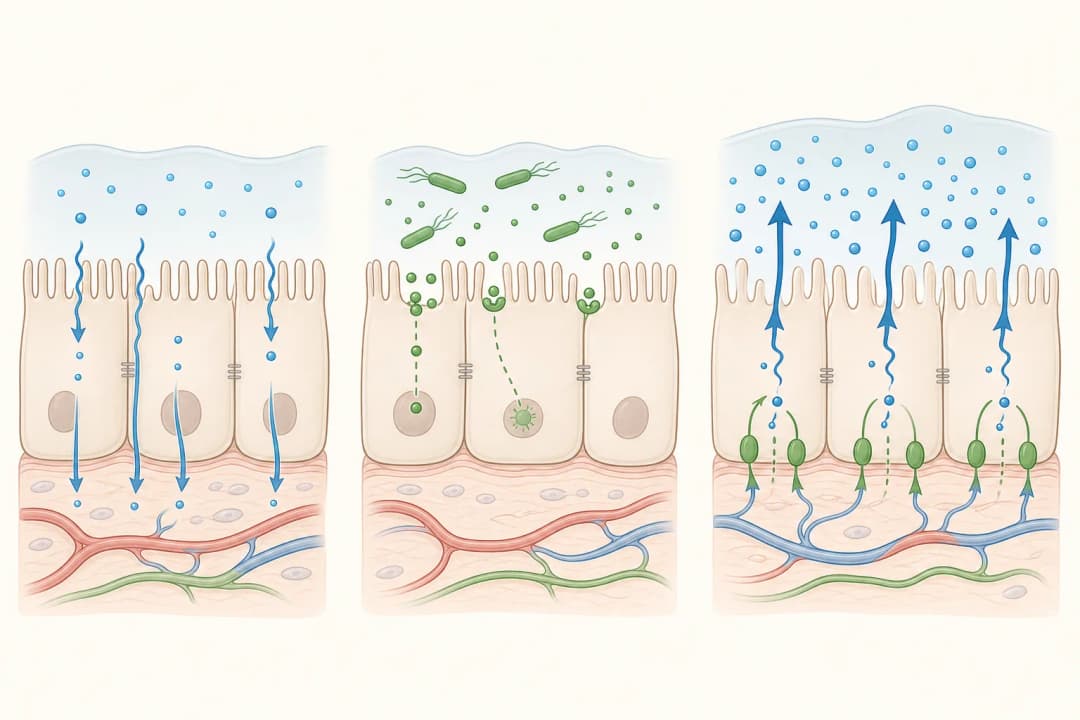
The bacteria leave an infected person in stool and can enter drinking water or food when sanitation, handwashing, or sewage control is inadequate. Raw foods washed with unsafe water, undercooked seafood, and drinks made with contaminated water can carry the organism. Direct casual contact is not the usual route, but hands, surfaces, and shared food can spread contamination when hygiene is poor. Safe water, properly cooked food, and careful handwashing interrupt this faecal–oral route.
Steps that lower risk
Use sealed, boiled, or otherwise reliably treated water for drinking, brushing teeth, preparing food, and making ice. Wash hands with soap after using the toilet and before eating or handling food. Eat food that is freshly cooked and served hot; peel fruit yourself and avoid raw items washed with uncertain water. If diarrhoea develops, begin [Oral Rehydration Therapy](/treatments/acute-and-urgent-care/oral-rehydration-therapy/) and keep the person away from food preparation.
When medical help is urgent
Get urgent care for frequent watery diarrhoea, vomiting that prevents drinking, dizziness on standing, confusion, marked weakness, little or dark urine, or a dry mouth with intense thirst. These signs can indicate serious fluid loss. Children and frail adults need especially quick assessment. Medical teams can replace fluid through [IV Fluid Therapy](/treatments/acute-and-urgent-care/iv-fluid-therapy/) when drinking is insufficient. See guidance on [Diarrhoea](/symptoms/diarrhoea/).
Questions to take to an appointment
Ask which water sources are safe, whether recent exposure calls for testing, how to protect household members, when normal food preparation can resume, and which hydration plan suits the affected person’s age and health.
Find care
General Clinics & Polyclinics in Abu Dhabi
That answer is general. If you want it applied to your own case, these are licensed general clinics & polyclinics listed in Abu Dhabi.
27 Ar Ruwwad St - Shakhbout City - MSH4 - Abu Dhabi - United Arab Emirates
Accepts: Daman, Thiqa, Cigna, MetLife +20 more
Al Ruwais, Al Dhafrah
Accepts: Daman, Thiqa, AXA, Cigna +16 more
Al Bahyah - Al Bahyah Old - Abu Dhabi - United Arab Emirates
Accepts: Daman, Thiqa, Cigna, Allianz Care +18 more
Abu Dhabi
Accepts: Daman, Thiqa, AXA, Cigna +27 more
Ordered by verification status and how complete each clinic's public record is, then alphabetically. This is a directory listing, not a ranking — Zavis does not rate or recommend providers.
A factual listing drawn from the DHA, DOH and MOHAP licence registers. It is not a referral, an endorsement, or advice that any of these providers is right for you.
Questions people ask
Can cholera spread through drinking water?
Yes. Drinking water contaminated with stool containing Vibrio cholerae can transmit cholera.
Should a person with diarrhoea prepare meals?
No. Avoid food preparation while ill and wash hands carefully to reduce contamination of food and surfaces.
Related
Related reading
Keep reading
Medical disclaimer. This page is general health information, not medical advice, and it cannot diagnose you. Always consult a licensed healthcare provider about your own symptoms and treatment. In an emergency in the UAE, call 998 for an ambulance.