
What should you know about what causes cholera?
Short answer
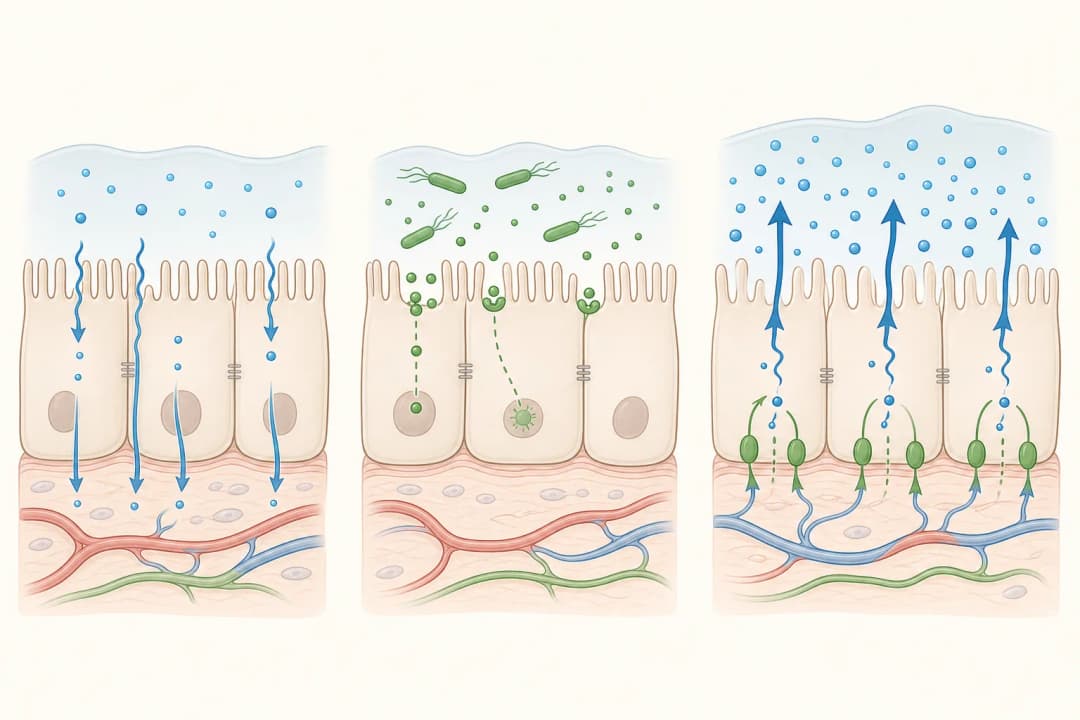
The cause of cholera is infection with Vibrio cholerae, which can enter the body through contaminated water or food.
This answers one question. It is not a diagnosis and does not replace an assessment by a licensed doctor.
At a glance
- What causes it
- Vibrio cholerae infection.
- How it enters
- Through swallowed contaminated food or water.
- What can worsen quickly
- Loss of fluid and body salts.
From contamination to symptoms
Vibrio cholerae can multiply in the small intestine and release a toxin that makes the bowel lose water and salts. This may produce sudden, painless, watery diarrhoea, with vomiting in some people. The source is usually faecal contamination of water or food, often linked to inadequate sanitation or unsafe handling. A person with a symptom is not automatically infected with cholera; diagnosis depends on the clinical picture and exposure.
Because fluid loss can progress quickly, review the advice on [Diarrhoea](/symptoms/diarrhoea/) if stools become unusually watery or frequent.
Practical protection
Drink water from a safe supply or boil it before use. Use the same precaution for food preparation, tooth brushing, and ice. Wash hands thoroughly with soap, store water covered, and avoid preparing food for others while unwell. At the first sign of significant diarrhoea, use [Oral Rehydration Therapy](/treatments/acute-and-urgent-care/oral-rehydration-therapy/) and contact a healthcare professional for personalised guidance.
When symptoms cannot wait
Attend urgent care if you cannot keep fluids down, pass very little urine, become dizzy or faint, feel confused, or develop severe weakness. A dry mouth and sunken eyes can also signal fluid loss. Medical staff may use [IV Fluid Therapy](/treatments/acute-and-urgent-care/iv-fluid-therapy/) when drinking is not enough or is impossible.
Questions worth asking
Ask what exposure details matter, how to keep bathroom surfaces and laundry safe, whether other household members need monitoring, and how to recognise worsening dehydration.
Find care
General Clinics & Polyclinics in Abu Dhabi
That answer is general. If you want it applied to your own case, these are licensed general clinics & polyclinics listed in Abu Dhabi.
27 Ar Ruwwad St - Shakhbout City - MSH4 - Abu Dhabi - United Arab Emirates
Accepts: Daman, Thiqa, Cigna, MetLife +20 more
Al Ruwais, Al Dhafrah
Accepts: Daman, Thiqa, AXA, Cigna +16 more
Al Bahyah - Al Bahyah Old - Abu Dhabi - United Arab Emirates
Accepts: Daman, Thiqa, Cigna, Allianz Care +18 more
Abu Dhabi
Accepts: Daman, Thiqa, AXA, Cigna +27 more
Ordered by verification status and how complete each clinic's public record is, then alphabetically. This is a directory listing, not a ranking — Zavis does not rate or recommend providers.
A factual listing drawn from the DHA, DOH and MOHAP licence registers. It is not a referral, an endorsement, or advice that any of these providers is right for you.
Questions people ask
What does Vibrio cholerae do?
It can release a toxin in the intestine that causes the bowel to lose substantial water and salts.
What is the first treatment priority?
Replace lost water and salts promptly, then obtain medical assessment for severity and further treatment.
Related
Related reading
Keep reading
Medical disclaimer. This page is general health information, not medical advice, and it cannot diagnose you. Always consult a licensed healthcare provider about your own symptoms and treatment. In an emergency in the UAE, call 998 for an ambulance.