
What should you know about cholera incidence?
Short answer
Cholera incidence rises where drinking water or sanitation is contaminated, so prevention focuses on safe water and rapid rehydration.
This answers one question. It is not a diagnosis and does not replace an assessment by a licensed doctor.
At a glance
- Transmission route
- Contaminated food or water is swallowed.
- During a cluster
- Follow local safe-water advice closely.
- Treatment priority
- Replace water and salts promptly.
Why cases can cluster
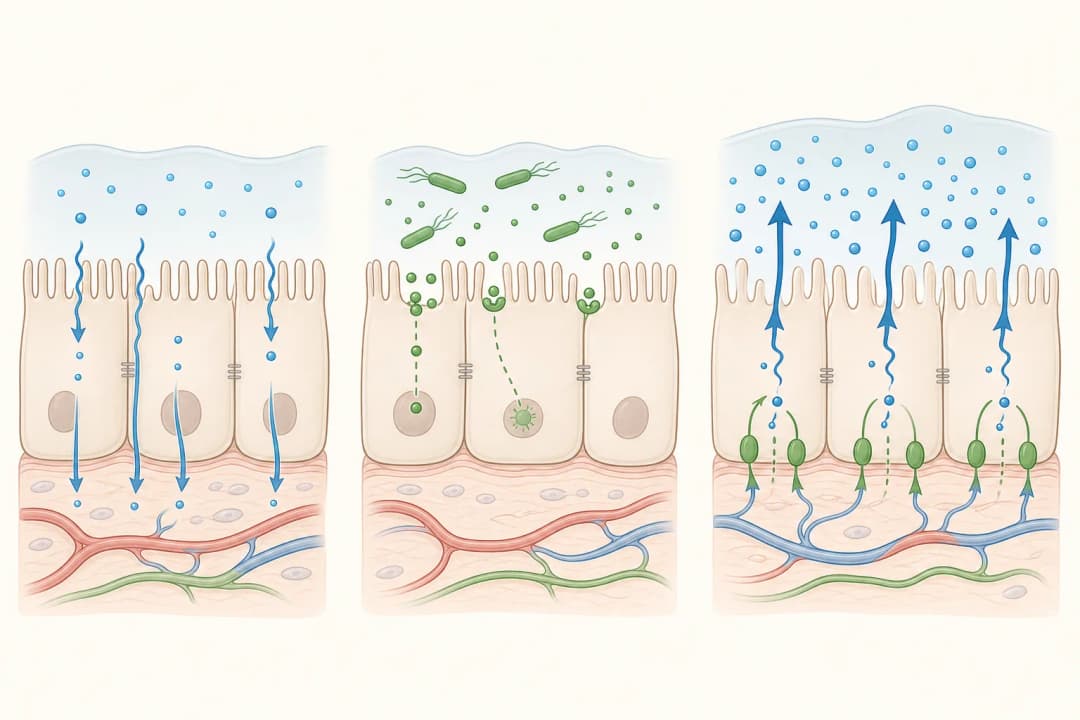
Cholera spreads when bacteria from infected stool reach food or water and are then swallowed. Communities with disrupted water systems, overcrowding, flooding, or limited sanitation may face greater exposure. Cases can appear as a cluster because many people share the same source. Incidence describes how often illness occurs in a population or place; it does not show whether any individual with diarrhoea has cholera.
A sudden outbreak can require public-health teams to test water, trace exposure, and advise residents. The symptom to watch is profuse watery diarrhoea, which can cause dehydration. See [Diarrhoea](/symptoms/diarrhoea/) for symptom guidance.
Reducing exposure
Drink water that has been boiled or reliably treated, and keep it in a clean covered container. Wash hands with soap after toilet use and before preparing food. Cook food thoroughly, peel produce when possible, and avoid raw items washed in unsafe water. If you develop watery diarrhoea during a suspected outbreak, start [Oral Rehydration Therapy](/treatments/acute-and-urgent-care/oral-rehydration-therapy/) and arrange medical assessment without delay.
Do not wait with dehydration
Go for urgent care if stools are frequent or watery, vomiting prevents drinking, urine becomes scarce, or you feel dizzy, weak, confused, or faint. Children and frail adults need particularly close observation. A healthcare team may use [IV Fluid Therapy](/treatments/acute-and-urgent-care/iv-fluid-therapy/) when oral fluids cannot replace losses adequately.
Useful questions
Ask which local water advice applies, whether testing is needed, how to prepare oral rehydration, and what symptoms should trigger emergency attendance.
Find care
General Clinics & Polyclinics in Abu Dhabi
That answer is general. If you want it applied to your own case, these are licensed general clinics & polyclinics listed in Abu Dhabi.
27 Ar Ruwwad St - Shakhbout City - MSH4 - Abu Dhabi - United Arab Emirates
Accepts: Daman, Thiqa, Cigna, MetLife +20 more
Al Ruwais, Al Dhafrah
Accepts: Daman, Thiqa, AXA, Cigna +16 more
Al Bahyah - Al Bahyah Old - Abu Dhabi - United Arab Emirates
Accepts: Daman, Thiqa, Cigna, Allianz Care +18 more
Abu Dhabi
Accepts: Daman, Thiqa, AXA, Cigna +27 more
Ordered by verification status and how complete each clinic's public record is, then alphabetically. This is a directory listing, not a ranking — Zavis does not rate or recommend providers.
A factual listing drawn from the DHA, DOH and MOHAP licence registers. It is not a referral, an endorsement, or advice that any of these providers is right for you.
Questions people ask
Does more cholera in an area mean every case of diarrhoea is cholera?
No. Diarrhoea has many causes, so a clinician may need to assess symptoms and exposure.
Why can cholera cases increase together?
People may share contaminated water or food, allowing exposure from one source to affect several households.
Related
Related reading
Keep reading
Medical disclaimer. This page is general health information, not medical advice, and it cannot diagnose you. Always consult a licensed healthcare provider about your own symptoms and treatment. In an emergency in the UAE, call 998 for an ambulance.