
What should you know about cholera in the world?
Short answer
Around the world, cholera spreads mainly where drinking water or sanitation is unsafe, and prompt rehydration, medical care and public-health action reduce its harm.
This answers one question. It is not a diagnosis and does not replace an assessment by a licensed doctor.
At a glance
- Main route of spread
- Swallowing contaminated water or food
- Key protection
- Safe water, sanitation and handwashing
- First treatment priority
- Replace water and electrolytes promptly
How cholera affects communities
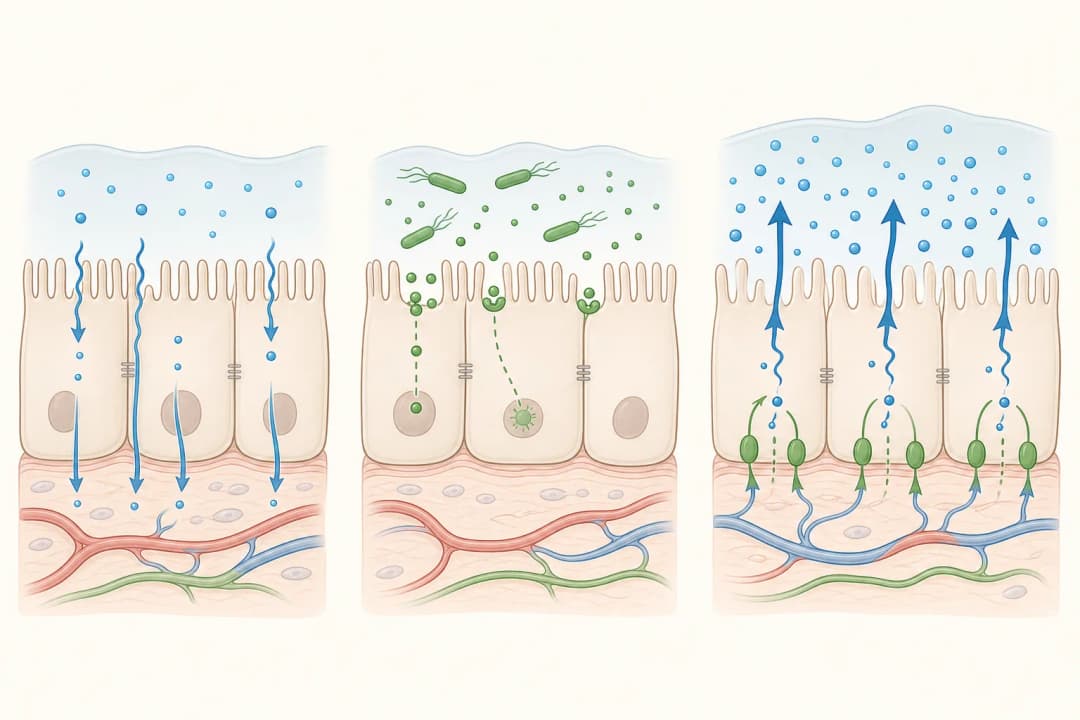
Cholera is an intestinal infection acquired when contaminated water or food is swallowed. It can cause sudden watery diarrhoea and vomiting, leading to rapid loss of water and electrolytes. Outbreaks are more likely when clean water, toilets, handwashing facilities or healthcare are disrupted by displacement, flooding, conflict or infrastructure failure.
Risk is shaped by local conditions rather than a person’s identity. People can lower exposure by using treated or sealed water, cooking food thoroughly, washing hands with soap and disposing of faeces safely. [Diarrhoea](/symptoms/diarrhoea/) during an outbreak should be taken seriously.
Practical steps for households
Use bottled, boiled or appropriately treated water for drinking, brushing teeth, preparing food and making ice. Eat food that is cooked and served hot, peel produce when possible, and avoid food or drinks prepared with uncertain water. Wash hands after using the toilet and before feeding or preparing meals.
If watery diarrhoea begins, start an approved oral rehydration solution and contact a healthcare service promptly. Continue feeding and breastfeeding as tolerated. [Oral Rehydration Therapy](/treatments/acute-and-urgent-care/oral-rehydration-therapy/) replaces lost water and salts; severe dehydration may require [IV Fluid Therapy](/treatments/acute-and-urgent-care/iv-fluid-therapy/). Follow local vaccination and outbreak advice.
When to seek urgent care
Seek urgent medical help for repeated watery stools, inability to drink, persistent vomiting, fainting, confusion, very little urine, extreme weakness, cold or clammy skin, fast breathing or collapse. Children, older adults, pregnant people and those with chronic illness need particularly prompt assessment.
Do not wait for a laboratory result before asking for help if dehydration is developing. Tell the clinician about recent travel, an outbreak area, unsafe water exposure or other ill household members so infection-control advice can be tailored.
Questions for a clinician
Ask which water-treatment method is reliable locally, how to prepare and use oral rehydration solution, whether household contacts need advice, when vaccination is recommended, and which dehydration signs require emergency care.
Find care
General Clinics & Polyclinics in Abu Dhabi
That answer is general. If you want it applied to your own case, these are licensed general clinics & polyclinics listed in Abu Dhabi.
27 Ar Ruwwad St - Shakhbout City - MSH4 - Abu Dhabi - United Arab Emirates
Accepts: Daman, Thiqa, Cigna, MetLife +20 more
Al Ruwais, Al Dhafrah
Accepts: Daman, Thiqa, AXA, Cigna +16 more
Al Bahyah - Al Bahyah Old - Abu Dhabi - United Arab Emirates
Accepts: Daman, Thiqa, Cigna, Allianz Care +18 more
Abu Dhabi
Accepts: Daman, Thiqa, AXA, Cigna +27 more
Ordered by verification status and how complete each clinic's public record is, then alphabetically. This is a directory listing, not a ranking — Zavis does not rate or recommend providers.
A factual listing drawn from the DHA, DOH and MOHAP licence registers. It is not a referral, an endorsement, or advice that any of these providers is right for you.
Questions people ask
Can cholera spread through ordinary social contact?
It spreads mainly when contaminated faecal material reaches food or water; careful handwashing, safe sanitation and clean water reduce transmission.
What should travellers do about sudden watery diarrhoea?
Start approved oral rehydration, seek medical advice promptly and mention recent travel or outbreak exposure.
Related
Related reading
Keep reading
Medical disclaimer. This page is general health information, not medical advice, and it cannot diagnose you. Always consult a licensed healthcare provider about your own symptoms and treatment. In an emergency in the UAE, call 998 for an ambulance.