
What should you know about cholera how is it transmitted?
Short answer
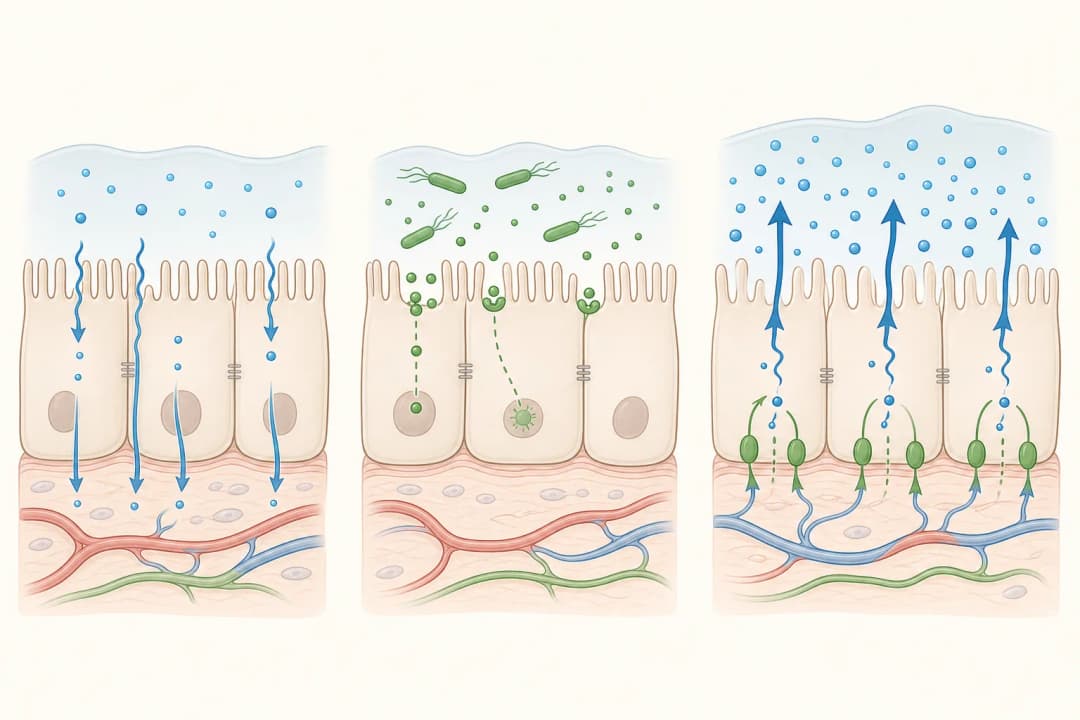
Cholera is transmitted when a person ingests Vibrio cholerae from contaminated water, food, hands, or utensils.
This answers one question. It is not a diagnosis and does not replace an assessment by a licensed doctor.
At a glance
- Organism
- Vibrio cholerae
- How it enters
- By swallowing contamination
- Immediate concern
- Dehydration from diarrhoea or vomiting
What transmission involves
The bacterium passes out in stool and sometimes vomit. Transmission occurs when sanitation or hand hygiene fails and the organism reaches drinking water or food. It may also happen when contaminated water is used to rinse produce, make ice, or wash cooking equipment. Food can become unsafe after preparation if handled with unwashed hands.
The route is ingestion, not ordinary proximity. Someone may have no symptoms or may develop diarrhoea and vomiting with rapid fluid loss. A person who cannot replace those losses can become seriously dehydrated, which is why early action matters.
Protect yourself and others
Choose reliably treated or sealed water for drinking, cooking, brushing teeth, and ice. Wash hands with soap at key times, cook food thoroughly, and keep utensils and preparation areas clean. Dispose of stool and vomit safely, launder soiled items carefully, and limit food handling by the sick person. If diarrhoea occurs, begin Oral Rehydration Therapy when possible and contact a healthcare professional without delay.
Warning signs that need care
Get medical help quickly for frequent watery stools, ongoing vomiting, dizziness on standing, intense thirst, dry mouth, little urine, weakness, or unusual sleepiness. A person who is confused, collapsed, or unable to drink needs emergency attention. Babies, older people, pregnant people, and those with medical conditions should be reviewed early because fluid loss can be harder to manage.
Discuss these points
Ask what type of water treatment is appropriate, whether household contacts need advice, how to clean the bathroom and laundry, and when normal food preparation can resume. Tell the clinician what was eaten or drunk, when exposure occurred, how much fluid has been lost, and whether urination has changed.
Find care
General Clinics & Polyclinics in Abu Dhabi
That answer is general. If you want it applied to your own case, these are licensed general clinics & polyclinics listed in Abu Dhabi.
27 Ar Ruwwad St - Shakhbout City - MSH4 - Abu Dhabi - United Arab Emirates
Accepts: Daman, Thiqa, Cigna, MetLife +20 more
Al Ruwais, Al Dhafrah
Accepts: Daman, Thiqa, AXA, Cigna +16 more
Al Bahyah - Al Bahyah Old - Abu Dhabi - United Arab Emirates
Accepts: Daman, Thiqa, Cigna, Allianz Care +18 more
Abu Dhabi
Accepts: Daman, Thiqa, AXA, Cigna +27 more
Ordered by verification status and how complete each clinic's public record is, then alphabetically. This is a directory listing, not a ranking — Zavis does not rate or recommend providers.
A factual listing drawn from the DHA, DOH and MOHAP licence registers. It is not a referral, an endorsement, or advice that any of these providers is right for you.
Questions people ask
Can utensils transmit cholera?
Yes. Utensils can carry contamination to food or the mouth if they are not washed safely after contact with contaminated hands, water, or food.
What treatment may be needed?
Oral rehydration replaces lost water and salts for people who can drink; IV Fluid Therapy may be needed for severe dehydration or inability to drink.
Related
Related reading
Keep reading
Medical disclaimer. This page is general health information, not medical advice, and it cannot diagnose you. Always consult a licensed healthcare provider about your own symptoms and treatment. In an emergency in the UAE, call 998 for an ambulance.