
What should you know about cholera how do you get it?
Short answer
People get cholera by swallowing food or water contaminated with the bacterium that causes the infection.
This answers one question. It is not a diagnosis and does not replace an assessment by a licensed doctor.
At a glance
- Route of infection
- Swallowing contaminated food or water
- Early response
- Use safe fluids and start oral rehydration if diarrhoea begins
- Key prevention
- Handwashing, sanitation, and thorough cooking
How infection happens
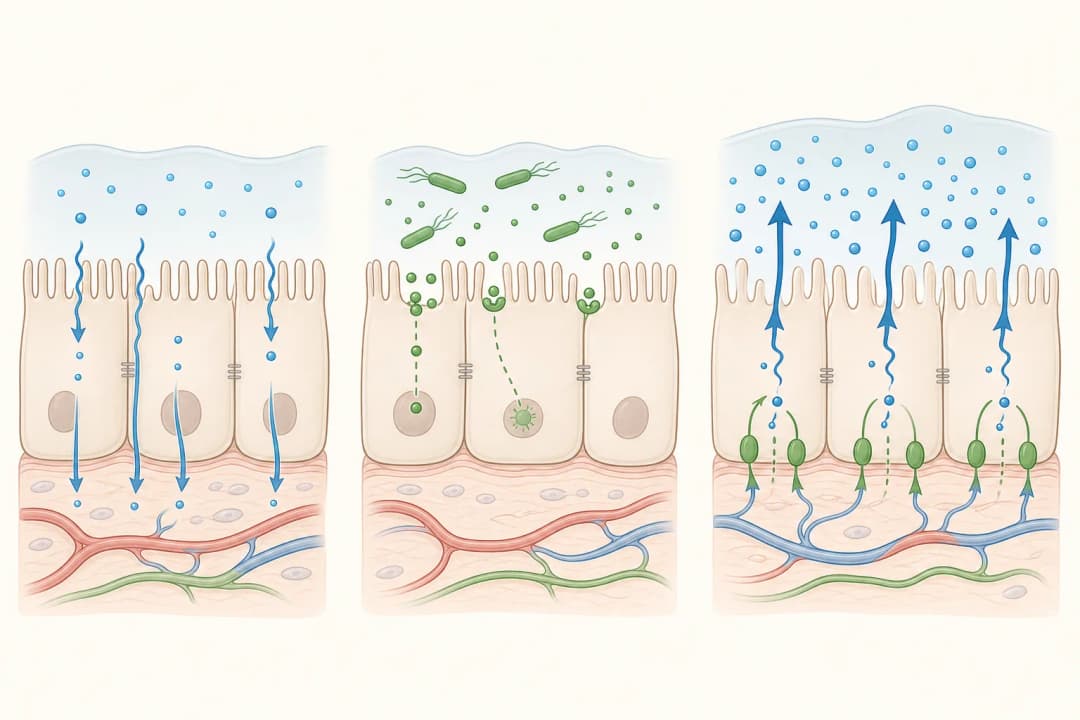
The bacteria leave an infected person in diarrhoea or vomit. If waste enters drinking water, ice, food, or utensils, another person can swallow the bacteria. Risk rises where sanitation is disrupted or clean water is difficult to obtain. Eating raw or undercooked seafood from unsafe water can also carry risk. Casual contact such as sitting beside someone does not usually spread cholera by itself.
After exposure, some people have no symptoms while others develop sudden watery diarrhoea, vomiting, thirst, weakness, or muscle cramps. Diarrhoea can remove fluid rapidly, so suspected exposure matters even before symptoms become severe.
After possible exposure
Use treated or sealed drinking water, wash hands thoroughly after toilet use and before eating, and cook food well. Keep raw foods separate from ready-to-eat foods, clean utensils, and avoid ice or drinks made with uncertain water. If diarrhoea starts, begin Oral Rehydration Therapy and contact a clinician promptly. Do not prepare food for other people while ill, and follow local public-health advice about testing or monitoring.
When to seek prompt help
Arrange urgent assessment for watery diarrhoea after possible exposure, especially if vomiting prevents drinking, urine becomes very sparse, the person feels faint, or unusual drowsiness appears. Emergency care is needed for collapse, confusion, or inability to wake. Children, older adults, pregnant people, and anyone with a chronic condition may become dehydrated sooner and should be assessed early.
What to ask
Ask whether testing is needed, which water and food precautions apply at home, how to mix and use oral rehydration solution, and which symptoms mean hospital care is necessary. Share the exposure details, symptom start time, recent travel or outbreak information, and whether other household members are unwell.
Find care
General Clinics & Polyclinics in Abu Dhabi
That answer is general. If you want it applied to your own case, these are licensed general clinics & polyclinics listed in Abu Dhabi.
27 Ar Ruwwad St - Shakhbout City - MSH4 - Abu Dhabi - United Arab Emirates
Accepts: Daman, Thiqa, Cigna, MetLife +20 more
Al Ruwais, Al Dhafrah
Accepts: Daman, Thiqa, AXA, Cigna +16 more
Al Bahyah - Al Bahyah Old - Abu Dhabi - United Arab Emirates
Accepts: Daman, Thiqa, Cigna, Allianz Care +18 more
Abu Dhabi
Accepts: Daman, Thiqa, AXA, Cigna +27 more
Ordered by verification status and how complete each clinic's public record is, then alphabetically. This is a directory listing, not a ranking — Zavis does not rate or recommend providers.
A factual listing drawn from the DHA, DOH and MOHAP licence registers. It is not a referral, an endorsement, or advice that any of these providers is right for you.
Questions people ask
Can cholera spread from person to person?
It can spread when bacteria from an infected person contaminate food, water, hands, or surfaces that another person then contacts and swallows.
What should I drink after exposure?
Choose safe water and seek advice if symptoms appear; Oral Rehydration Therapy is used when diarrhoea or vomiting causes fluid loss.
Related
Related reading
Keep reading
Medical disclaimer. This page is general health information, not medical advice, and it cannot diagnose you. Always consult a licensed healthcare provider about your own symptoms and treatment. In an emergency in the UAE, call 998 for an ambulance.