
What are cholera fever symptoms?
Short answer
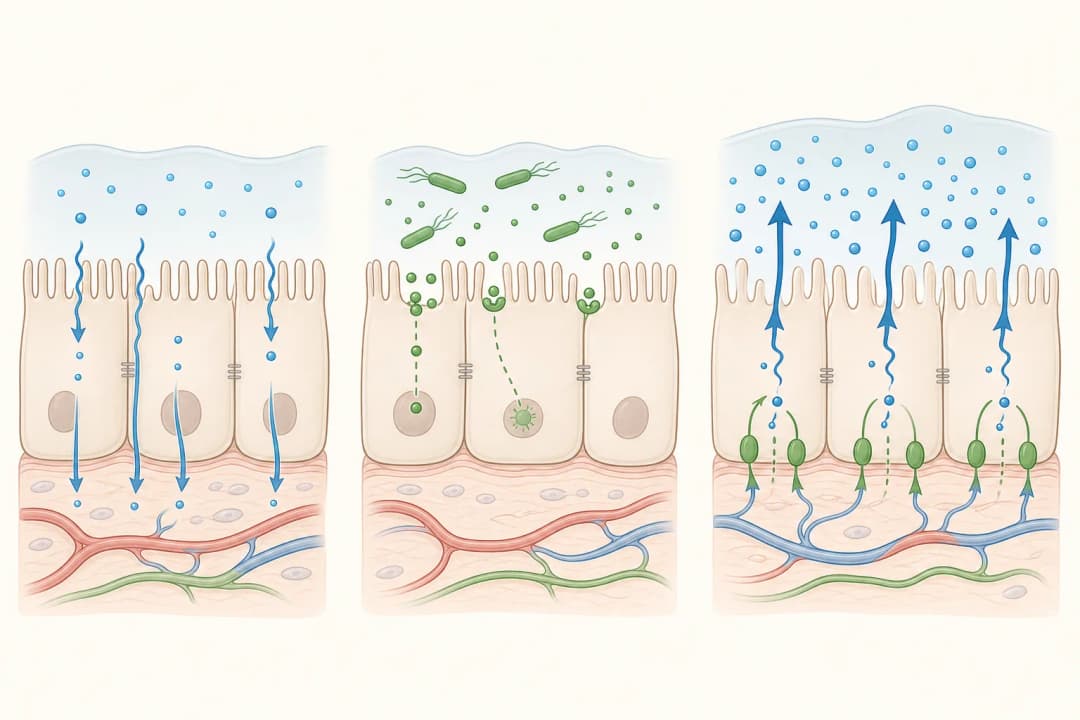
Cholera usually causes sudden watery diarrhoea and vomiting rather than fever, and dehydration can become urgent without a high temperature.
This answers one question. It is not a diagnosis and does not replace an assessment by a licensed doctor.
At a glance
- Defining symptom
- Sudden watery diarrhoea
- Other common symptom
- Vomiting
- Fever
- Not the main feature
Symptoms to recognise
Cholera commonly presents with sudden, large-volume watery diarrhoea. Vomiting may add to the loss of water and salts. Muscle cramps, thirst, dry mouth, weakness and dizziness can develop as dehydration progresses. Fever is not the main feature, although a person may have a temperature for another infection or illness at the same time.
Symptoms alone cannot confirm cholera. Other infections and causes of diarrhoea can look similar. Recent exposure to unsafe water or food, contact with a suspected case and local outbreak information help a clinician decide what evaluation is needed.
What to do when symptoms begin
Start Oral Rehydration Therapy promptly if watery diarrhoea occurs and a suitable solution is available. Take small, frequent sips and continue arranging medical advice. Use treated, boiled or sealed water, wash hands with soap, and avoid preparing food for others while unwell.
Do not use the presence or absence of fever to judge severity. Fluid loss is the key concern. If drinking cannot keep up with diarrhoea or vomiting, a clinician may provide IV Fluid Therapy and monitor salts, circulation and urine output.
When symptoms are an emergency
Seek urgent care for very little urine, severe thirst, dry mouth, fainting, confusion, marked drowsiness, cold hands and feet, repeated vomiting or inability to drink. Frequent watery stools also need prompt assessment, especially in a child, older adult, pregnant person or someone with chronic illness.
Give sips only if the person is awake and able to swallow. An unconscious person should not be given drinks by mouth; call emergency services and keep them positioned safely while help comes.
Questions for your doctor
Ask whether your diarrhoea needs testing, how to prepare oral rehydration correctly, how to protect people at home, and which changes in urine, alertness or vomiting require immediate review.
Find care
General Clinics & Polyclinics in Abu Dhabi
That answer is general. If you want it applied to your own case, these are licensed general clinics & polyclinics listed in Abu Dhabi.
27 Ar Ruwwad St - Shakhbout City - MSH4 - Abu Dhabi - United Arab Emirates
Accepts: Daman, Thiqa, Cigna, MetLife +20 more
Al Ruwais, Al Dhafrah
Accepts: Daman, Thiqa, AXA, Cigna +16 more
Al Bahyah - Al Bahyah Old - Abu Dhabi - United Arab Emirates
Accepts: Daman, Thiqa, Cigna, Allianz Care +18 more
Abu Dhabi
Accepts: Daman, Thiqa, AXA, Cigna +27 more
Ordered by verification status and how complete each clinic's public record is, then alphabetically. This is a directory listing, not a ranking — Zavis does not rate or recommend providers.
A factual listing drawn from the DHA, DOH and MOHAP licence registers. It is not a referral, an endorsement, or advice that any of these providers is right for you.
Questions people ask
Can cholera occur without fever?
Yes. Fever is not required for cholera, so watery diarrhoea and signs of dehydration deserve attention even when the temperature is normal.
Is every fever with diarrhoea cholera?
No. Many illnesses can cause fever and diarrhoea. A clinician uses the symptom pattern, exposure history and local information to guide assessment.
Related
Related reading
Keep reading
Medical disclaimer. This page is general health information, not medical advice, and it cannot diagnose you. Always consult a licensed healthcare provider about your own symptoms and treatment. In an emergency in the UAE, call 998 for an ambulance.