
What does cholera fatality rate mean?
Updated
Short answer
A cholera fatality rate is a population measure; for an individual, prompt rehydration and urgent care for dehydration are what matter most.
This answers one question. It is not a diagnosis and does not replace an assessment by a licensed doctor.
At a glance
- What it measures
- Deaths among identified cases in a defined setting
- Personal priority
- Replace water and salts early
- Emergency concern
- Signs of dehydration or shock
Why the term can mislead
A fatality rate describes deaths among people identified with a particular illness in a defined setting and period. It cannot predict what will happen to one patient because access to fluids, speed of treatment, age, other health conditions and the severity of fluid loss all differ.
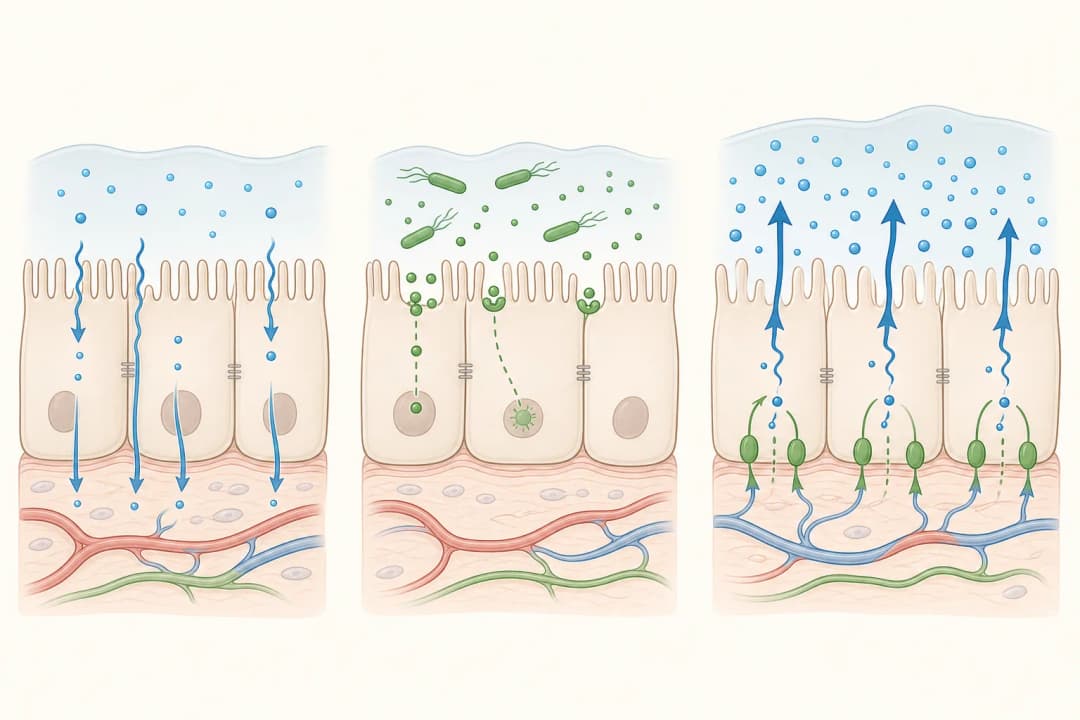
Cholera can cause rapid loss of water and salts through watery diarrhoea and vomiting. The immediate threat is dehydration, which may lead to weakness, fainting, confusion and shock. The absence of fever does not make heavy diarrhoea harmless, and a person should not wait for a test result before seeking advice about rehydration.
How to lower the immediate danger
Begin Oral Rehydration Therapy as soon as watery diarrhoea starts, if a suitable product is available, and take frequent small sips. Continue seeking medical advice because the amount needed can change as losses continue. Use safe water and wash hands carefully to protect other people.
A healthcare team may monitor alertness, urine, circulation and ongoing stool or vomit losses. IV Fluid Therapy can replace fluid rapidly when dehydration is severe or drinking is not possible. Do not rely on home fluids alone when symptoms are escalating.
Do not wait with these signs
Seek emergency care for fainting, confusion, severe weakness, very little urine, cold hands and feet, inability to drink, repeated vomiting or frequent watery stools. Infants, older adults, pregnant people and people with chronic disease may deteriorate sooner and should be assessed early.
On the way to care, offer small sips to an alert person who can swallow. If the person is unconscious, do not give drinks by mouth; call emergency services and place them safely on their side.
Questions for your doctor
Ask how dehydrated you may be, whether you need observation or IV fluids, how to measure ongoing losses, and which symptoms should trigger an immediate return to care.
Find care
General Clinics & Polyclinics in Dubai
That answer is general. If you want it applied to your own case, these are licensed general clinics & polyclinics listed in Dubai.
The Court Residence, 39B Street, Jumeirah 1, Dubai
Accepts: Tabby, Tamara
Elite Business Bay Residence - Shop 03 & 04, 34 Marasi Dr - Business Bay - Dubai - United Arab Emirates
Accepts: Tabby
Airport View Building, Al Garhoud, Dubai
Accepts: Daman, Thiqa, AXA, Cigna +25 more
IBIS Building, 5th Floor, Unit 5003, Deira, Dubai
Accepts: AXA, Cigna, MetLife, Allianz Care +18 more
Ordered by verification status and how complete each clinic's public record is, then alphabetically. This is a directory listing, not a ranking — Zavis does not rate or recommend providers.
A factual listing drawn from the UAE health regulators' public licence registers. It is not a referral, an endorsement, or advice that any of these providers is right for you.
Questions people ask
Does a population fatality rate predict my outcome?
No. It cannot account for your symptoms, treatment speed, fluid access or other health conditions.
Why is rehydration so urgent?
Cholera can remove water and salts quickly, so circulation and organ function may be affected before a person feels able to drink enough.
Related
Related reading
Keep reading
Medical disclaimer. This page is general health information, not medical advice, and it cannot diagnose you. Always consult a licensed healthcare provider about your own symptoms and treatment. In an emergency in the UAE, call 998 for an ambulance.