
How cholera affects the body
Short answer
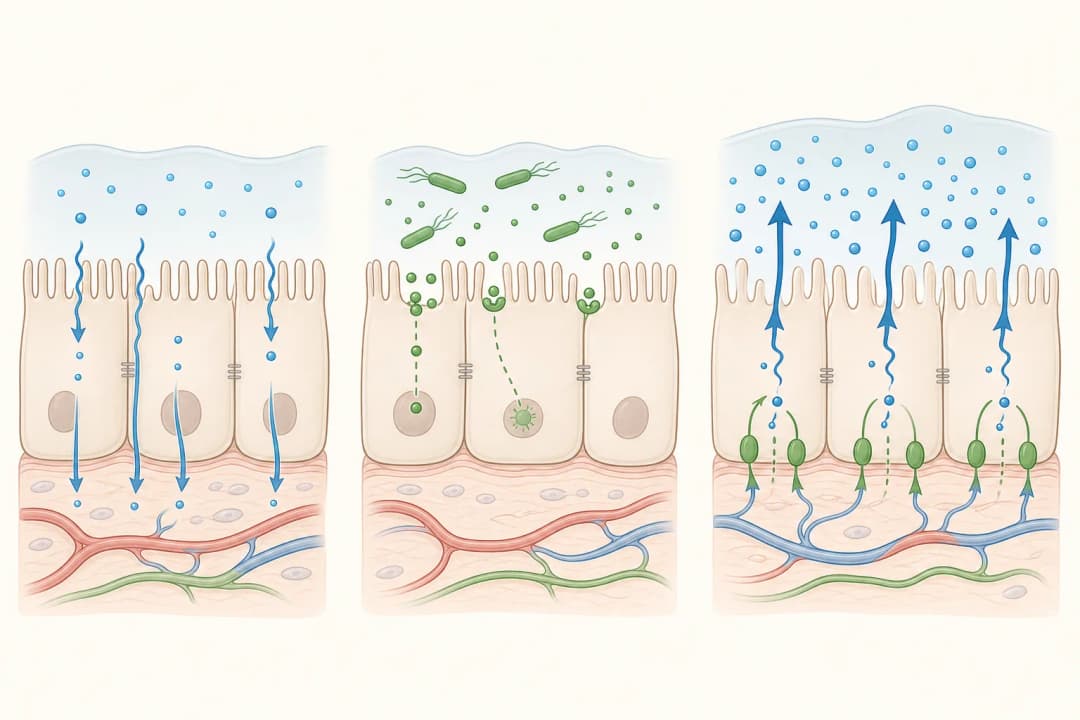
Cholera affects the body mainly by causing rapid loss of water and salts through diarrhoea, which can reduce circulation and strain vital organs.
This answers one question. It is not a diagnosis and does not replace an assessment by a licensed doctor.
At a glance
- Primary mechanism
- Intestinal loss of water and electrolytes
- Possible consequence
- Reduced circulation and organ strain
- Treatment goal
- Replace fluids and salts promptly
What happens inside the body
Cholera bacteria can make the intestine release large amounts of fluid. The resulting watery diarrhoea, sometimes with vomiting, removes water and electrolytes such as sodium and chloride. The body may respond with intense thirst, dry skin or mouth, muscle cramps, tiredness, dizziness, and less urine.
If fluid loss continues, the circulating blood volume can fall. This may cause a fast heartbeat, low blood pressure, confusion, fainting, and reduced blood flow to the kidneys and other organs. Children and frail adults can deteriorate quickly. The severity depends on fluid loss, access to rehydration, and the person’s health.
How treatment protects the body
Oral Rehydration Therapy replaces water and salts in a form the intestine can absorb. Give frequent small sips, including after each loose stool when advised, and continue suitable feeding or breastfeeding. If drinking cannot keep pace with losses or dehydration is severe, clinicians may use IV Fluid Therapy and monitor pulse, blood pressure, urine output, and alertness.
Signs the body needs urgent help
Get urgent care for confusion, fainting, inability to drink, repeated vomiting, minimal urine, cold or clammy skin, severe weakness, or diarrhoea that is continuing rapidly. Do not wait for extreme thirst: dizziness on standing, a dry mouth, and reduced urination can already signal meaningful dehydration. Keep offering oral rehydration if the person is awake and can swallow.
Questions for your doctor
Ask how dehydration will be assessed, whether blood salts or kidney function need checking, how fluids should be continued at home, and what monitoring is needed after symptoms improve.
Find care
General Clinics & Polyclinics in Abu Dhabi
That answer is general. If you want it applied to your own case, these are licensed general clinics & polyclinics listed in Abu Dhabi.
27 Ar Ruwwad St - Shakhbout City - MSH4 - Abu Dhabi - United Arab Emirates
Accepts: Daman, Thiqa, Cigna, MetLife +20 more
Al Ruwais, Al Dhafrah
Accepts: Daman, Thiqa, AXA, Cigna +16 more
Al Bahyah - Al Bahyah Old - Abu Dhabi - United Arab Emirates
Accepts: Daman, Thiqa, Cigna, Allianz Care +18 more
Abu Dhabi
Accepts: Daman, Thiqa, AXA, Cigna +27 more
Ordered by verification status and how complete each clinic's public record is, then alphabetically. This is a directory listing, not a ranking — Zavis does not rate or recommend providers.
A factual listing drawn from the DHA, DOH and MOHAP licence registers. It is not a referral, an endorsement, or advice that any of these providers is right for you.
Questions people ask
Why can cholera become dangerous?
Rapid fluid and salt loss can reduce circulation and affect kidney and other organ function.
Can rehydration reverse the effects?
Prompt, appropriate fluid replacement can correct dehydration, but severe illness still needs urgent clinical monitoring.
Related
Related reading
Keep reading
Medical disclaimer. This page is general health information, not medical advice, and it cannot diagnose you. Always consult a licensed healthcare provider about your own symptoms and treatment. In an emergency in the UAE, call 998 for an ambulance.