
Cholera disease prevention: practical steps
Short answer
Cholera prevention depends on safe water, careful food hygiene, sanitation, and prompt action when watery diarrhoea begins.
This answers one question. It is not a diagnosis and does not replace an assessment by a licensed doctor.
At a glance
- Water
- Use treated or safely stored water
- Food
- Cook thoroughly and prevent cross-contamination
- Hands
- Wash with soap after toilet use and before food handling
Why prevention works
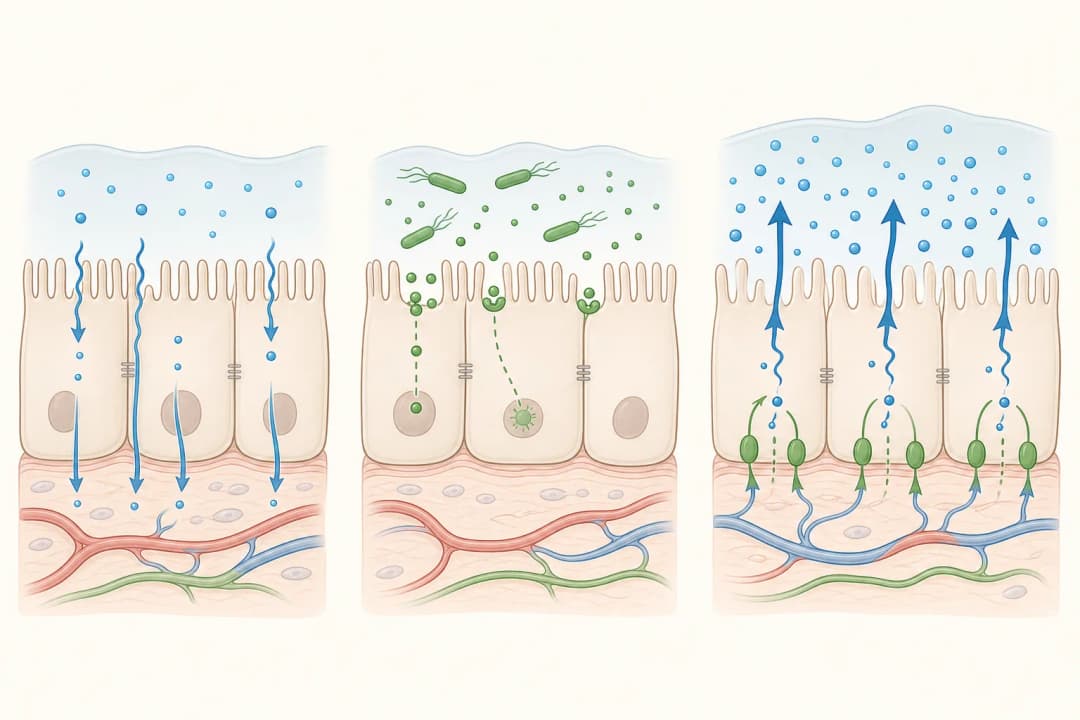
Cholera spreads when bacteria from stool reach another person through contaminated water, food, hands, or surfaces. Preventing that route protects the whole household, especially people who may dehydrate quickly. Use treated or safely stored water for drinking, brushing teeth, cooking, and preparing rehydration solution. Eat food that is cooked thoroughly and served hot; wash raw produce with safe water or avoid it when safety is uncertain. Keep raw and cooked foods apart, use clean utensils, and dispose of stool safely. Handwashing with soap after toilet use and before food handling is one of the most useful routine measures.
Practical prevention steps
Ask local health authorities about water treatment during a suspected outbreak, because the correct method depends on the supply and local instructions. Store treated water in a clean, covered container and avoid dipping unwashed hands or cups into it. Clean toilets and frequently touched surfaces, and wash clothing or bedding soiled with stool separately when possible. Anyone with diarrhoea should avoid preparing food for others and should start oral rehydration solution promptly. A vaccine may be advised for some travel or outbreak situations; discuss suitability with a healthcare professional rather than relying on it instead of safe water and sanitation.
When prevention is no longer enough
Seek urgent medical help if watery diarrhoea is frequent, vomiting prevents drinking, urine becomes very limited, or there is faintness, confusion, severe thirst, unusual sleepiness, or marked weakness. Children, older adults, pregnant people, and those with chronic illness need a low threshold for assessment. If oral rehydration does not keep pace with losses, clinicians may provide intravenous fluids and monitor the person closely.
Questions for your doctor
Ask which water-treatment method applies to your supply, whether vaccination is relevant to your plans, how to prepare oral rehydration solution, and what symptoms should trigger urgent review. Mention recent travel, household illness, and any difficulty accessing safe water.
Find care
General Clinics & Polyclinics in Abu Dhabi
That answer is general. If you want it applied to your own case, these are licensed general clinics & polyclinics listed in Abu Dhabi.
27 Ar Ruwwad St - Shakhbout City - MSH4 - Abu Dhabi - United Arab Emirates
Accepts: Daman, Thiqa, Cigna, MetLife +20 more
Al Ruwais, Al Dhafrah
Accepts: Daman, Thiqa, AXA, Cigna +16 more
Al Bahyah - Al Bahyah Old - Abu Dhabi - United Arab Emirates
Accepts: Daman, Thiqa, Cigna, Allianz Care +18 more
Abu Dhabi
Accepts: Daman, Thiqa, AXA, Cigna +27 more
Ordered by verification status and how complete each clinic's public record is, then alphabetically. This is a directory listing, not a ranking — Zavis does not rate or recommend providers.
A factual listing drawn from the DHA, DOH and MOHAP licence registers. It is not a referral, an endorsement, or advice that any of these providers is right for you.
Questions people ask
Can careful hygiene prevent every case?
Good water, sanitation, food handling, and handwashing reduce transmission, but local health advice is still needed during an outbreak or exposure.
What should happen if prevention measures fail and diarrhoea starts?
Begin correctly prepared oral rehydration solution promptly and seek medical advice, especially when vomiting or dehydration signs appear.
Related
Related reading
Keep reading
Medical disclaimer. This page is general health information, not medical advice, and it cannot diagnose you. Always consult a licensed healthcare provider about your own symptoms and treatment. In an emergency in the UAE, call 998 for an ambulance.