
What should you know about cholera death rate?
Short answer
Cholera can become life-threatening mainly through rapid dehydration, while prompt fluid replacement and medical care can prevent that progression.
This answers one question. It is not a diagnosis and does not replace an assessment by a licensed doctor.
At a glance
- Main danger
- Rapid dehydration and salt loss
- Helpful first step
- Start oral rehydration promptly
- Emergency sign
- Confusion, collapse or inability to drink
Why cholera can be dangerous
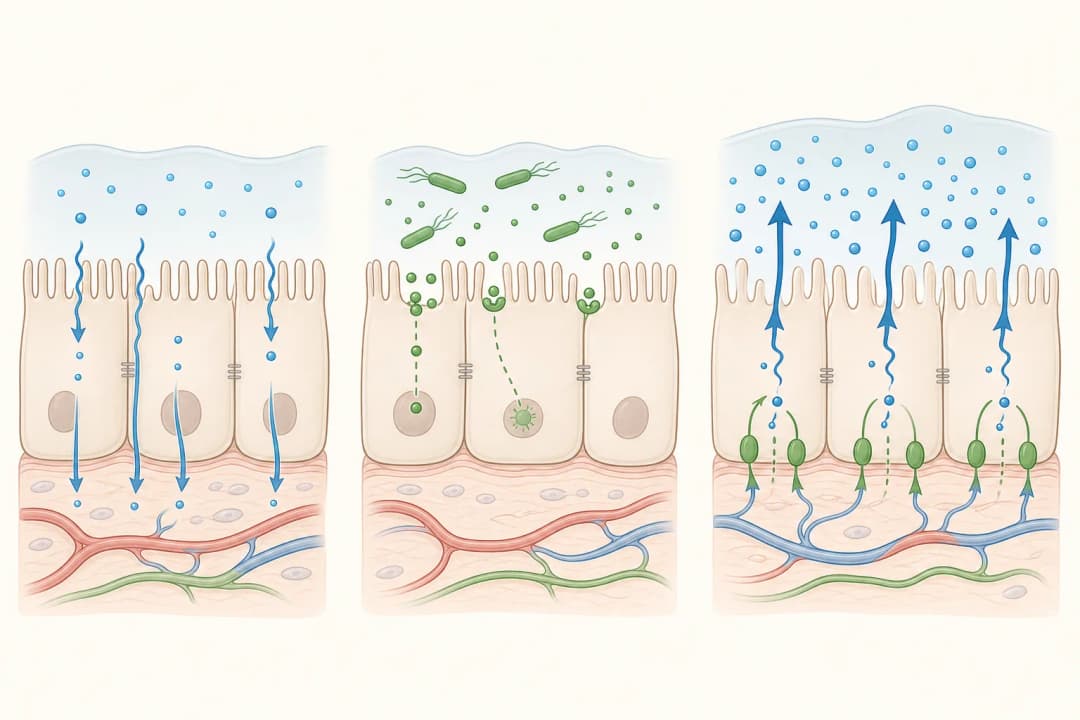
Cholera causes the intestine to release large amounts of water and salts, often through sudden watery diarrhoea and sometimes vomiting. The immediate danger is not simply the stool itself; it is the loss of circulating fluid needed by the brain, heart and other organs. Without replacement, dehydration may lead to low blood pressure, shock, kidney injury and loss of consciousness.
A single death-rate figure cannot describe an individual’s situation. Outcome depends on how quickly fluids are replaced, the severity of losses, age, pregnancy, other illnesses, access to care and the quality of monitoring. This is why early action matters more than trying to predict a number.
How treatment reduces danger
Begin correctly prepared oral rehydration solution at the first sign of watery diarrhoea if the person is awake and able to swallow. Give frequent small sips and continue replacing losses while arranging medical assessment. A healthcare team may use IV Fluid Therapy when dehydration is severe, vomiting prevents drinking, or losses are substantial. Clinicians may also monitor urine, alertness, pulse and blood pressure, and may prescribe antibiotics for selected cases. Do not delay fluid replacement while waiting for a test result.
Signs that need urgent care
Go to urgent care for fainting, confusion, extreme weakness, inability to drink, repeated vomiting, very little urine, a dry tongue, sunken eyes, cold or clammy skin, or rapidly worsening diarrhoea. These signs suggest dehydration that may need supervised treatment. Infants, older adults, pregnant people and those with chronic disease can deteriorate sooner and should be assessed early. Call emergency services if the person is unresponsive or has severe breathing difficulty.
Questions for your doctor
Ask how severe the dehydration appears, how much oral fluid to give, whether IV treatment is needed, which tests are useful, and how to recognise deterioration after going home.
Find care
General Clinics & Polyclinics in Abu Dhabi
That answer is general. If you want it applied to your own case, these are licensed general clinics & polyclinics listed in Abu Dhabi.
27 Ar Ruwwad St - Shakhbout City - MSH4 - Abu Dhabi - United Arab Emirates
Accepts: Daman, Thiqa, Cigna, MetLife +20 more
Al Ruwais, Al Dhafrah
Accepts: Daman, Thiqa, AXA, Cigna +16 more
Al Bahyah - Al Bahyah Old - Abu Dhabi - United Arab Emirates
Accepts: Daman, Thiqa, Cigna, Allianz Care +18 more
Abu Dhabi
Accepts: Daman, Thiqa, AXA, Cigna +27 more
Ordered by verification status and how complete each clinic's public record is, then alphabetically. This is a directory listing, not a ranking — Zavis does not rate or recommend providers.
A factual listing drawn from the DHA, DOH and MOHAP licence registers. It is not a referral, an endorsement, or advice that any of these providers is right for you.
Questions people ask
Why can cholera become fatal?
Large fluid and salt losses can impair circulation and organ function if they are not replaced quickly.
Can treatment change the outlook?
Yes. Prompt rehydration and appropriate medical monitoring address the main immediate danger.
Related
Related reading
Keep reading
Medical disclaimer. This page is general health information, not medical advice, and it cannot diagnose you. Always consult a licensed healthcare provider about your own symptoms and treatment. In an emergency in the UAE, call 998 for an ambulance.