
What should you know about cholera and pregnancy?
Short answer
Cholera during pregnancy needs prompt medical care because rapid diarrhoeal fluid loss can affect both the pregnant person and the pregnancy.
This answers one question. It is not a diagnosis and does not replace an assessment by a licensed doctor.
At a glance
- Main concern
- Rapid dehydration and salt loss
- Pregnancy advice
- Contact maternity care promptly
- Fever
- May be absent
Why pregnancy changes the response
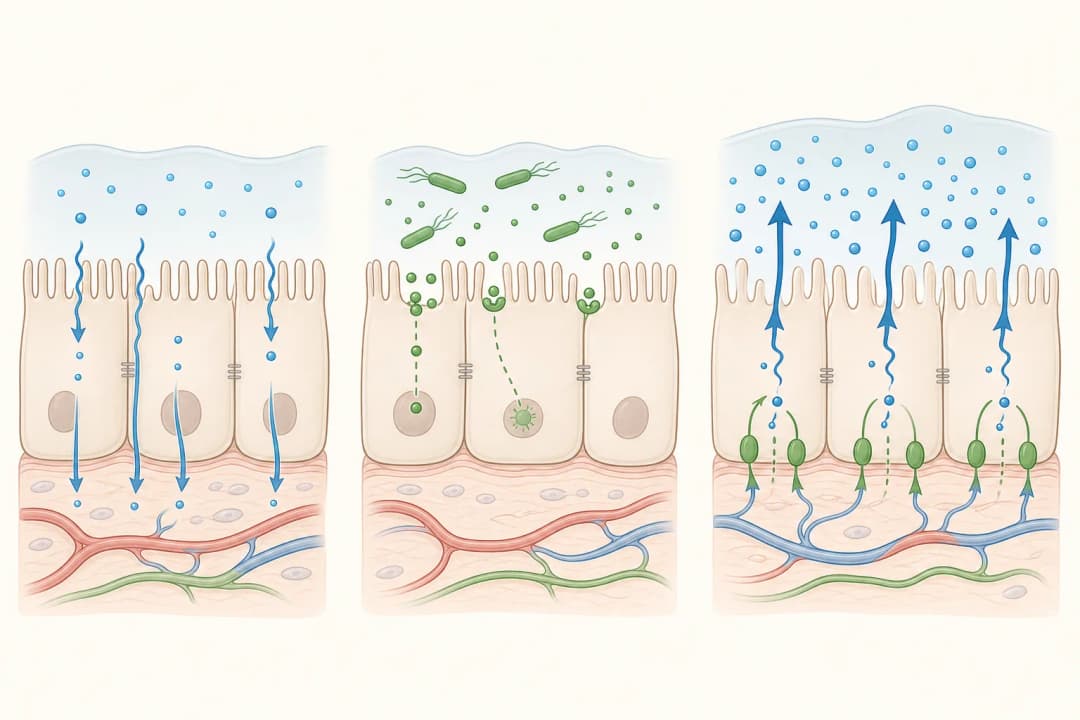
Cholera is an intestinal infection that can cause sudden watery diarrhoea and vomiting. Losing water and salts may lead to dizziness, weakness, reduced urination and changes in circulation. Pregnancy increases the need for careful assessment because dehydration can affect the pregnant person’s wellbeing and may contribute to contractions or reduced blood flow. Fever is not necessary for cholera, and diarrhoea can have many other causes. A maternity or medical clinician considers symptoms, exposure to unsafe food or water, pregnancy stage and signs of dehydration.
See [Diarrhoea](/symptoms/diarrhoea/) for more on symptoms that need attention.
What to do now
Contact your maternity team or an urgent medical service as soon as cholera is suspected. Begin correctly mixed oral rehydration solution in frequent small sips while arranging care, unless a clinician has given different instructions. Continue usual pregnancy medicines only as advised, and do not take anti-diarrhoeal or antibiotic medicines without checking that they are suitable in pregnancy. [Oral Rehydration Therapy](/treatments/acute-and-urgent-care/oral-rehydration-therapy/) may be used under guidance; [IV Fluid Therapy](/treatments/acute-and-urgent-care/iv-fluid-therapy/) can restore fluids when drinking is not adequate. Wash hands and use safe water to reduce spread.
When to seek urgent care
Seek emergency care for fainting, confusion, severe weakness, inability to keep fluids down, very little urine, blood in stool, severe abdominal pain, breathing difficulty, or signs of labour. Reduced fetal movement, vaginal bleeding or fluid leakage also requires immediate maternity assessment. Do not wait for fever: severe watery diarrhoea itself can cause dangerous dehydration.
Questions for your doctor
Ask which rehydration product and medicines are suitable, whether observation is needed, how to monitor fetal movement, and which maternity symptoms should prompt an emergency visit.
Find care
General Clinics & Polyclinics in Abu Dhabi
That answer is general. If you want it applied to your own case, these are licensed general clinics & polyclinics listed in Abu Dhabi.
27 Ar Ruwwad St - Shakhbout City - MSH4 - Abu Dhabi - United Arab Emirates
Accepts: Daman, Thiqa, Cigna, MetLife +20 more
Al Ruwais, Al Dhafrah
Accepts: Daman, Thiqa, AXA, Cigna +16 more
Al Bahyah - Al Bahyah Old - Abu Dhabi - United Arab Emirates
Accepts: Daman, Thiqa, Cigna, Allianz Care +18 more
Abu Dhabi
Accepts: Daman, Thiqa, AXA, Cigna +27 more
Ordered by verification status and how complete each clinic's public record is, then alphabetically. This is a directory listing, not a ranking — Zavis does not rate or recommend providers.
A factual listing drawn from the DHA, DOH and MOHAP licence registers. It is not a referral, an endorsement, or advice that any of these providers is right for you.
Questions people ask
Is oral rehydration suitable during pregnancy?
A clinician can advise on the appropriate solution and amount; correctly prepared oral rehydration is commonly used to replace fluid and salts.
Should I wait for fever before seeking help?
No. Severe watery diarrhoea, vomiting or reduced urination needs prompt assessment even without fever.
Related
Related reading
Keep reading
Medical disclaimer. This page is general health information, not medical advice, and it cannot diagnose you. Always consult a licensed healthcare provider about your own symptoms and treatment. In an emergency in the UAE, call 998 for an ambulance.