
What should you know about central idiopathic precocious puberty?
Short answer
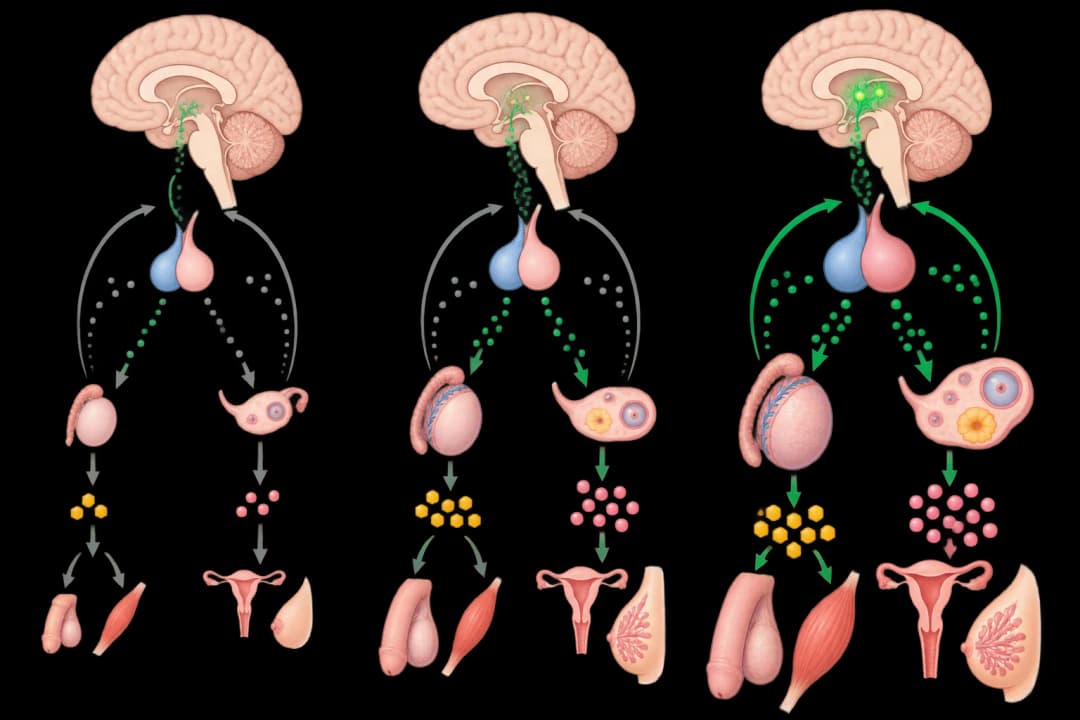
Central idiopathic precocious puberty means the brain has started the usual puberty pathway earlier than expected, but testing has not found an underlying cause.
This answers one question. It is not a diagnosis and does not replace an assessment by a licensed doctor.
At a glance
- Meaning of central
- The brain has activated the usual hormonal pathway for puberty.
- Meaning of idiopathic
- No specific underlying cause was identified after evaluation.
- Specialist
- A pediatric endocrinologist assesses hormone patterns, growth and bone maturation.
The short answer
The physical changes follow the same general sequence as ordinary puberty, only sooner. A pediatric endocrinologist can assess how quickly the changes are progressing and whether treatment would help protect growth or reduce distress.
What the diagnosis means
In the central form, the hypothalamus and pituitary gland activate the ovaries or testes through the normal hormonal signalling pathway. “Idiopathic” means that the clinical evaluation has not identified a specific trigger, such as a problem affecting the brain. It does not mean that the symptoms are imagined or that anyone caused them.
Possible changes include breast or testicular development, a rapid increase in height, pubic or underarm hair, acne, body odour, voice change, or menstrual bleeding. Some isolated changes can arise from other hormone pathways, so the pattern and pace matter more than one sign alone. Early hormone exposure can advance bone maturation, which may shorten the remaining time for growth.
What families can do next
Arrange an assessment with the child’s doctor and record when each body change began. Bring growth records, a list of medicines and supplements used in the household, and any family history of early puberty. The clinician may examine pubertal development, plot height over time, order a hand and wrist X-ray for bone age, and check hormone levels. Brain imaging is considered when the history, examination, age, or test results suggest it is needed.
Treatment is individual. When puberty is clearly progressing, a specialist may offer a gonadotropin-releasing hormone medicine that temporarily pauses the hormonal signal. Follow-up tracks growth, bone maturation, physical changes, treatment effects, and emotional wellbeing. At home, use simple age-appropriate explanations, protect the child’s privacy, and tell school staff only what is useful for practical support.
When to seek medical care
Book a medical appointment if pubertal changes appear unusually early, progress rapidly, or are accompanied by fast growth. Menstrual bleeding in a young child also needs assessment. Contact the treating team if prescribed injections are missed, symptoms resume sooner than expected, or side effects are difficult to manage.
Seek urgent medical care for a new severe headache, repeated vomiting, a seizure, fainting, sudden weakness, confusion, or a new change in vision. These warning signs require prompt assessment because they can point to a neurological problem, regardless of the cause of the early puberty.
Questions to take to the appointment
Ask which findings show that the central puberty pathway is active, how quickly bone age and height are changing, and whether any imaging is appropriate. If treatment is proposed, ask what its goal is for your child, how it is given, what follow-up will involve, and how the team will decide when to stop it.
Find care
General Clinics & Polyclinics in Abu Dhabi
That answer is general. If you want it applied to your own case, these are licensed general clinics & polyclinics listed in Abu Dhabi.
27 Ar Ruwwad St - Shakhbout City - MSH4 - Abu Dhabi - United Arab Emirates
Accepts: Daman, Thiqa, Cigna, MetLife +20 more
Al Ruwais, Al Dhafrah
Accepts: Daman, Thiqa, AXA, Cigna +16 more
Al Bahyah - Al Bahyah Old - Abu Dhabi - United Arab Emirates
Accepts: Daman, Thiqa, Cigna, Allianz Care +18 more
Abu Dhabi
Accepts: Daman, Thiqa, AXA, Cigna +27 more
Ordered by verification status and how complete each clinic's public record is, then alphabetically. This is a directory listing, not a ranking — Zavis does not rate or recommend providers.
A factual listing drawn from the DHA, DOH and MOHAP licence registers. It is not a referral, an endorsement, or advice that any of these providers is right for you.
Questions people ask
Is central idiopathic precocious puberty caused by something a parent did?
No. The term describes early activation of the child’s own puberty pathway without an identified underlying cause; it is not a result of parenting. Tell the clinician about hormone-containing medicines or supplements in the home so accidental exposure can be considered.
Does every child with early puberty need treatment?
Not necessarily. The decision depends on the child’s age and development, the speed of progression, growth pattern, bone maturation, likely effect on adult height, and emotional impact. A specialist may monitor slowly progressing changes instead of starting medicine immediately.
Can puberty continue after treatment is stopped?
Yes. Medicines used for central precocious puberty are intended to pause the hormonal signal temporarily. The specialist plans when to stop treatment and monitors the return of pubertal development.
Related
Related reading
Keep reading
Medical disclaimer. This page is general health information, not medical advice, and it cannot diagnose you. Always consult a licensed healthcare provider about your own symptoms and treatment. In an emergency in the UAE, call 998 for an ambulance.