
CEMA Ceramic Bearing: Questions to Clarify
Short answer
A CEMA ceramic bearing may refer to a specific implant name or shorthand, so confirm the exact components with your orthopaedic surgeon.
This answers one question. It is not a diagnosis and does not replace an assessment by a licensed doctor.
At a glance
- Bearing
- The bearing consists of the implant surfaces that move against one another.
- Record to keep
- The implant record identifies the actual components used during surgery.
- Term check
- Confirm what “CEMA” means in the specific report or device paperwork.
Understanding the bearing description
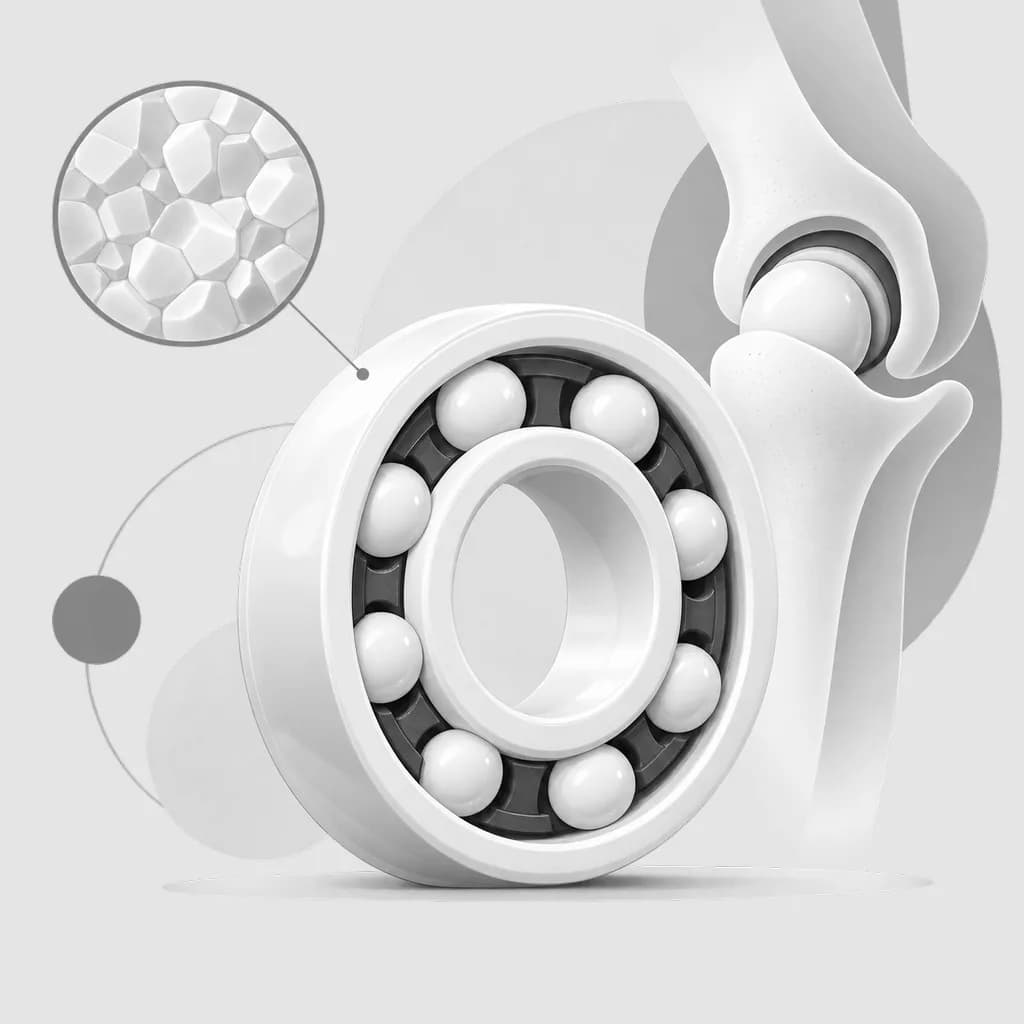
In a hip replacement, the bearing is the pair of surfaces that move against each other. A ceramic head may articulate with a ceramic liner or with another approved liner material. The word “CEMA” does not by itself tell a patient the complete bearing combination, manufacturer, size, or fixation method. Those details appear in the implant record, operation note, or device labels and matter when discussing wear, imaging, or future surgery.
How to verify your implant
Ask the hospital or surgeon for the implant record and keep a copy with your medical information. Check the name of the femoral head, liner, shell, and stem rather than relying on one abbreviated term. Follow the rehabilitation and activity guidance provided for your operation. Before dental procedures, scans, or later orthopaedic care, tell the treating clinician that you have a joint replacement and share the record if requested.
Symptoms that need assessment
Contact the surgical team for new clicking or squeaking accompanied by pain, a new limp, increasing groin or thigh discomfort, or reduced hip movement. Seek urgent care after a fall if the leg looks shortened or rotated, weight-bearing is not possible, or the hip feels displaced. Fever, wound drainage, spreading redness, or escalating pain after surgery also needs prompt assessment.
Details to discuss with your surgeon
Request the full product names and ask which two materials form the moving surfaces. Discuss why that bearing combination was chosen for your anatomy and activity needs, which movements or impacts should be avoided during recovery, and what follow-up imaging is planned. If you encountered “CEMA” on a report, ask the surgeon to explain exactly what the abbreviation means in that document.
Find care
General Clinics & Polyclinics in Abu Dhabi
That answer is general. If you want it applied to your own case, these are licensed general clinics & polyclinics listed in Abu Dhabi.
27 Ar Ruwwad St - Shakhbout City - MSH4 - Abu Dhabi - United Arab Emirates
Accepts: Daman, Thiqa, Cigna, MetLife +20 more
Al Ruwais, Al Dhafrah
Accepts: Daman, Thiqa, AXA, Cigna +16 more
Al Bahyah - Al Bahyah Old - Abu Dhabi - United Arab Emirates
Accepts: Daman, Thiqa, Cigna, Allianz Care +18 more
Abu Dhabi
Accepts: Daman, Thiqa, AXA, Cigna +27 more
Ordered by verification status and how complete each clinic's public record is, then alphabetically. This is a directory listing, not a ranking — Zavis does not rate or recommend providers.
A factual listing drawn from the DHA, DOH and MOHAP licence registers. It is not a referral, an endorsement, or advice that any of these providers is right for you.
Questions people ask
Does ceramic bearing mean every component is ceramic?
Not necessarily. The moving pair may use ceramic on ceramic or ceramic against another approved liner, while other implant parts are made from different materials.
Is a noise from a ceramic hip always a problem?
A sound without other symptoms may have several explanations, but a new noise with pain, limping, instability, or reduced movement should be assessed by the surgical team.
Related
Related reading
Keep reading
Medical disclaimer. This page is general health information, not medical advice, and it cannot diagnose you. Always consult a licensed healthcare provider about your own symptoms and treatment. In an emergency in the UAE, call 998 for an ambulance.