
What should you know about mumps?
Short answer
Mumps is a contagious viral infection that commonly causes painful swelling near the jaw, with fever and other symptoms possible.
This answers one question. It is not a diagnosis and does not replace an assessment by a licensed doctor.
At a glance
- Typical site
- Salivary glands near the jaw and ears
- Spread
- Respiratory droplets and saliva
- Prevention
- MMR vaccination and reducing close contact
How mumps can present
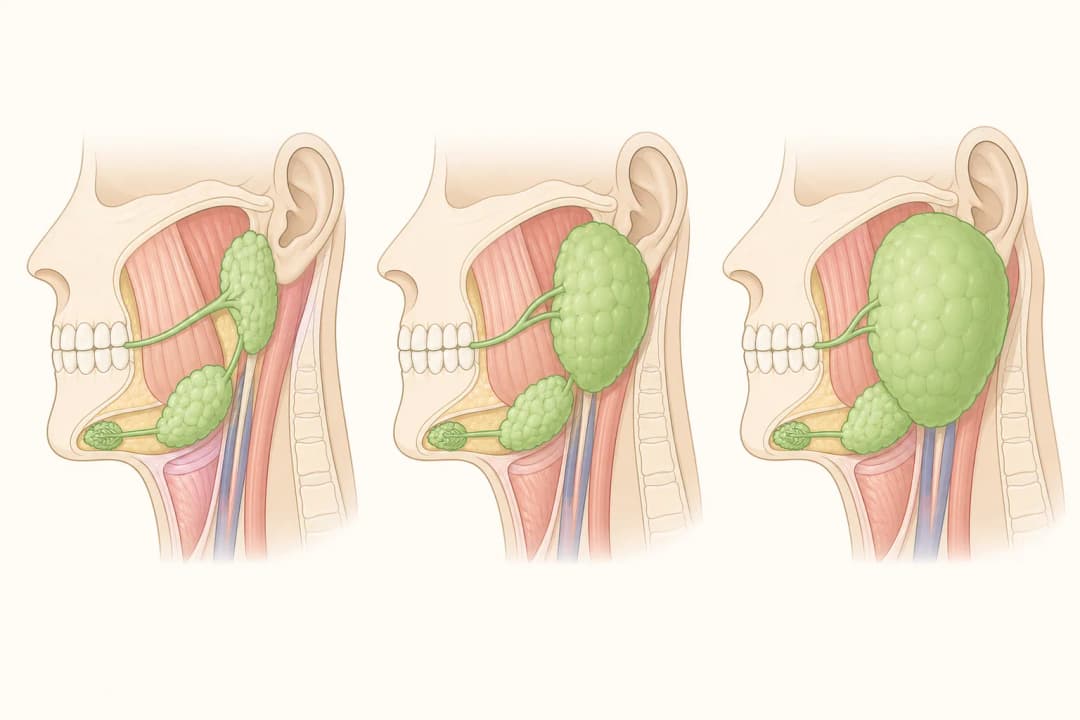
Mumps commonly affects the salivary glands beside the cheeks and below the ears, causing tender swelling and discomfort when chewing or swallowing. Fever, headache, tiredness and muscle aches may accompany it. Some infections have few or no obvious symptoms, yet the virus can still spread through respiratory droplets and saliva.
Mumps is different from every cause of swollen glands. A clinician may consider your symptoms, exposure history and vaccination record, then decide whether testing or monitoring is needed. Avoid sharing cups, cutlery or towels while infection is suspected.
What to do if mumps is possible
Contact a GP before arriving so the practice can advise on reducing exposure to others. Rest, drink fluids and choose soft foods if chewing is uncomfortable. Simple pain or fever relief may help when suitable for you; follow the label and ask a pharmacist if you are unsure. Check whether you and close contacts are up to date with MMR vaccination.
When to seek care
Seek urgent help for severe headache with neck stiffness, confusion, a seizure, breathing difficulty, dehydration, severe abdominal pain or sudden hearing changes. Prompt assessment is also needed for testicular or ovarian pain and swelling. Contact a GP for fever with swollen glands or symptoms after known exposure, particularly during pregnancy or when immunity is reduced.
Questions for your doctor
Ask how long to stay away from work, school or close contacts, whether testing is useful, which pain relief is suitable, and whether household members need vaccination advice. Take your immunisation record if available.
Find care
General Clinics & Polyclinics in Abu Dhabi
That answer is general. If you want it applied to your own case, these are licensed general clinics & polyclinics listed in Abu Dhabi.
27 Ar Ruwwad St - Shakhbout City - MSH4 - Abu Dhabi - United Arab Emirates
Accepts: Daman, Thiqa, Cigna, MetLife +20 more
Al Ruwais, Al Dhafrah
Accepts: Daman, Thiqa, AXA, Cigna +16 more
Al Bahyah - Al Bahyah Old - Abu Dhabi - United Arab Emirates
Accepts: Daman, Thiqa, Cigna, Allianz Care +18 more
Abu Dhabi
Accepts: Daman, Thiqa, AXA, Cigna +27 more
Ordered by verification status and how complete each clinic's public record is, then alphabetically. This is a directory listing, not a ranking — Zavis does not rate or recommend providers.
A factual listing drawn from the DHA, DOH and MOHAP licence registers. It is not a referral, an endorsement, or advice that any of these providers is right for you.
Questions people ask
Can mumps happen after vaccination?
Vaccination provides protection but does not make every infection impossible. A clinician can assess symptoms and review your vaccination history.
Should I attend a clinic with swollen glands?
Call first if mumps is possible. The practice can arrange an appropriate assessment while limiting contact with other patients.
Related
Related reading
Keep reading
Medical disclaimer. This page is general health information, not medical advice, and it cannot diagnose you. Always consult a licensed healthcare provider about your own symptoms and treatment. In an emergency in the UAE, call 998 for an ambulance.