
What should you know about cannula jaw filler?
Short answer
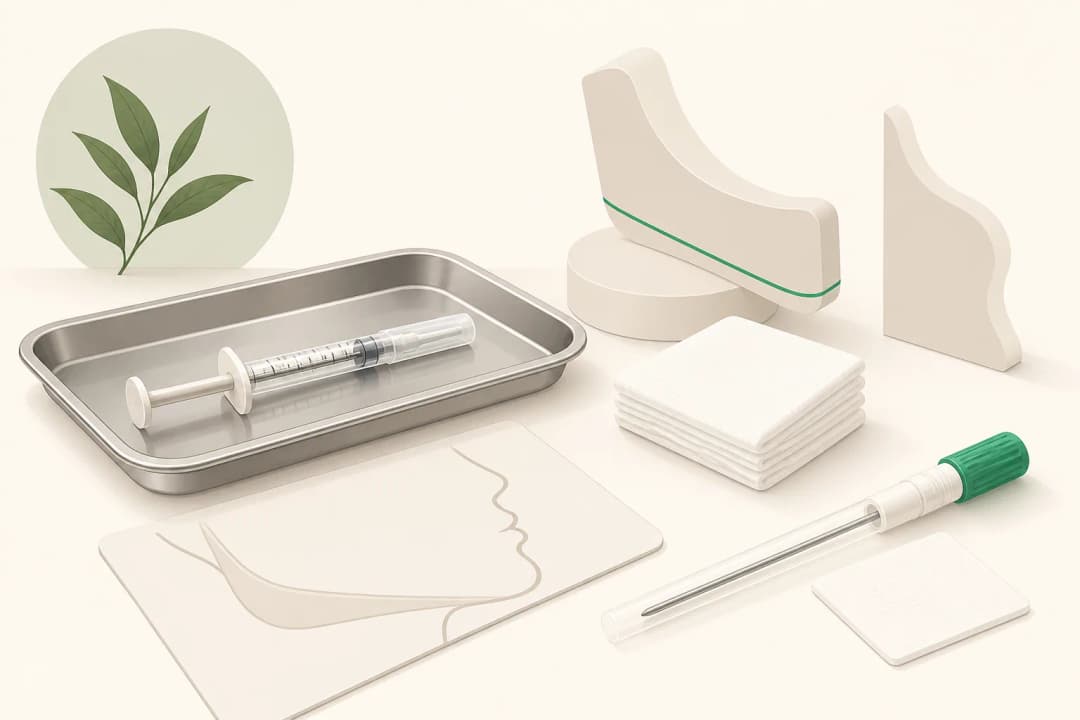
A cannula for jaw filler is a blunt-tipped flexible tube used through a small entry point to place filler along selected parts of the jawline, while careful anatomical assessment and injection technique remain essential.
This answers one question. It is not a diagnosis and does not replace an assessment by a licensed doctor.
At a glance
- Device
- A blunt-tipped flexible tube
- Planning
- Depends on jaw anatomy and contour goals
- Recovery
- Swelling, bruising, and tenderness can occur temporarily
How cannula jaw filler is used
The clinician may make an entry opening with a needle, then guide the cannula beneath the skin along a planned part of the jawline. This can allow product to be distributed over a line or region through one access point, although a needle may still be chosen for fine detail or a different area.
A cannula is not automatically safer for every face or every injection. Results and risks depend on the product, the depth and location of placement, facial anatomy, and the injector’s training. Possible effects include swelling, bruising, tenderness, uneven contour, nodules, infection, and an inflammatory response. A blood-vessel complication is still possible.
What to discuss before treatment
Explain your contour goals and disclose previous filler, facial procedures, allergies, medicines, bleeding concerns, and any skin infection or dental issue affecting the area. Ask the clinician to mark the intended contour, identify structures that influence the plan, and explain whether a needle, cannula, or both will be used. The treatment overview is available at [Jawline Filler](/treatments/injectables/jawline-filler/), and material information is covered in [Hyaluronic Acid Filler](/materials/hyaluronic-acid-filler/).
Plan for temporary swelling or bruising and follow the clinic’s aftercare instructions. Avoid manipulating the treated area unless the injector specifically advises it. A scheduled review can help assess the contour once early swelling has changed.
Warning signs after jaw filler
Seek prompt advice from the treating clinic if pain is severe or worsening, or if the skin becomes pale, dusky, mottled, cool, blistered, or increasingly discoloured. Emergency symptoms such as new vision changes, weakness, confusion, or a severe headache require urgent assessment. These signs should not be treated as ordinary post-injection swelling.
Questions for your doctor
Ask: What part of my jawline will be treated? Why is a cannula appropriate for that location? What filler is being considered? How will you respond to severe pain or skin colour change? When should I return for review?
Find care
General Clinics & Polyclinics in Abu Dhabi
That answer is general. If you want it applied to your own case, these are licensed general clinics & polyclinics listed in Abu Dhabi.
27 Ar Ruwwad St - Shakhbout City - MSH4 - Abu Dhabi - United Arab Emirates
Accepts: Daman, Thiqa, Cigna, MetLife +20 more
Al Ruwais, Al Dhafrah
Accepts: Daman, Thiqa, AXA, Cigna +16 more
Al Bahyah - Al Bahyah Old - Abu Dhabi - United Arab Emirates
Accepts: Daman, Thiqa, Cigna, Allianz Care +18 more
Abu Dhabi
Accepts: Daman, Thiqa, AXA, Cigna +27 more
Ordered by verification status and how complete each clinic's public record is, then alphabetically. This is a directory listing, not a ranking — Zavis does not rate or recommend providers.
A factual listing drawn from the DHA, DOH and MOHAP licence registers. It is not a referral, an endorsement, or advice that any of these providers is right for you.
Questions people ask
Is jaw filler with a cannula painless?
No procedure should be described as painless. A clinician may use numbing measures, but pressure, stinging, tenderness, swelling, or bruising can still occur.
Does a cannula prevent complications?
No. It changes the delivery method but does not eliminate infection, unevenness, inflammatory reactions, or blood-vessel complications.
Related
Related reading
Keep reading
Medical disclaimer. This page is general health information, not medical advice, and it cannot diagnose you. Always consult a licensed healthcare provider about your own symptoms and treatment. In an emergency in the UAE, call 998 for an ambulance.