
Bone age and precocious puberty
Short answer
Bone age helps clinicians assess skeletal maturation in a child with early puberty signs, but it does not diagnose precocious puberty by itself.
This answers one question. It is not a diagnosis and does not replace an assessment by a licensed doctor.
At a glance
- Usual image
- An X-ray of the hand and wrist
- What it estimates
- The stage of skeletal maturation
- How it is used
- Together with growth, examination, history and hormone results
Bone age in brief
The result is interpreted alongside the child's growth pattern, physical development, health history and hormone testing. A specialist uses the combined picture to decide whether further evaluation or treatment is appropriate.
What the test shows
A bone-age study is usually an X-ray of the hand and wrist. The shapes and growth plates of the bones are compared with expected stages of skeletal development. Bone age may be similar to, ahead of or behind the child's calendar age.
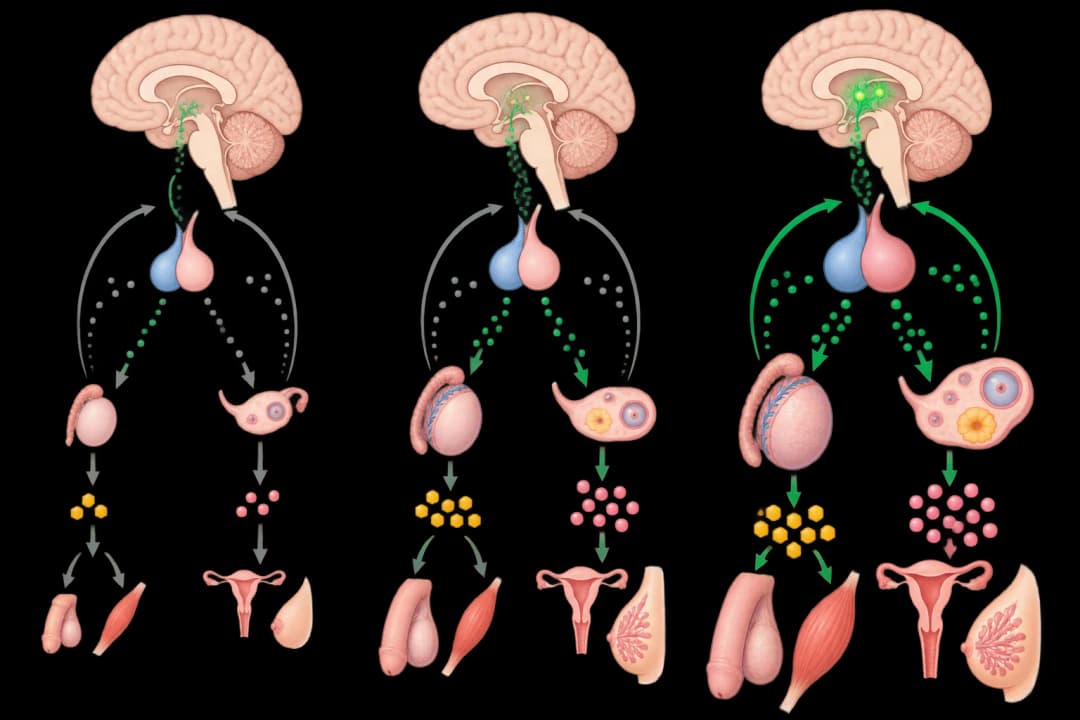
Sex hormones can speed skeletal maturation. Precocious puberty often presents with early physical development, faster growth and an advanced bone age, but the amount of advancement varies. Other hormonal or health conditions can also alter maturation, so an advanced result is a clue rather than a stand-alone diagnosis.
Next steps in assessment
Bring previous height and weight records, the approximate order in which puberty changes appeared, and a list of medicines, creams or supplements used at home. Tell the clinician about headaches, vision changes, unusual thirst, exposure to hormone products, and relatives' typical timing of puberty.
The clinician may examine growth and development, arrange hormone blood tests, or request other imaging based on the child's findings. Keep follow-up visits even if the child feels well, because changes in growth over time can clarify whether puberty is progressing. Offer simple, age-appropriate explanations and protect the child's privacy.
When to arrange medical care
Book a clinical assessment when puberty-related body changes appear much earlier than expected, progress quickly, or are accompanied by a noticeable growth spurt. Vaginal bleeding, breast development, pubic hair or body odour can have different explanations, so describe the sequence rather than assuming the cause.
Seek urgent medical advice if early puberty changes occur with a severe or worsening headache, repeated vomiting, new vision problems, weakness, a seizure or a marked change in alertness. These neurological symptoms determine the urgency; the bone-age result itself is not an emergency.
Questions about the results
Ask how the bone age compares with calendar age, whether the child's growth curve is accelerating, and which findings point to progressive puberty. It is also useful to ask which blood tests are planned, whether specialist referral is needed, and how follow-up will track growth and development.
Find care
General Clinics & Polyclinics in Abu Dhabi
That answer is general. If you want it applied to your own case, these are licensed general clinics & polyclinics listed in Abu Dhabi.
27 Ar Ruwwad St - Shakhbout City - MSH4 - Abu Dhabi - United Arab Emirates
Accepts: Daman, Thiqa, Cigna, MetLife +20 more
Al Ruwais, Al Dhafrah
Accepts: Daman, Thiqa, AXA, Cigna +16 more
Al Bahyah - Al Bahyah Old - Abu Dhabi - United Arab Emirates
Accepts: Daman, Thiqa, Cigna, Allianz Care +18 more
Abu Dhabi
Accepts: Daman, Thiqa, AXA, Cigna +27 more
Ordered by verification status and how complete each clinic's public record is, then alphabetically. This is a directory listing, not a ranking — Zavis does not rate or recommend providers.
A factual listing drawn from the DHA, DOH and MOHAP licence registers. It is not a referral, an endorsement, or advice that any of these providers is right for you.
Questions people ask
Does advanced bone age confirm precocious puberty?
No. Precocious puberty can present with advanced bone age, but clinicians also consider physical changes, growth speed, medical history and hormone results before making a diagnosis.
Can bone age be normal when early body changes are present?
Yes. The skeletal response can vary, particularly when changes are recent or not progressing. Follow-up growth measurements and clinical findings help place the result in context.
Why does future growth matter in this assessment?
Faster skeletal maturation can cause growth plates to mature sooner. Clinicians consider this alongside current height, growth pattern and the underlying cause when discussing management.
Related
Related reading
Keep reading
Medical disclaimer. This page is general health information, not medical advice, and it cannot diagnose you. Always consult a licensed healthcare provider about your own symptoms and treatment. In an emergency in the UAE, call 998 for an ambulance.