
Amoebiasis diarrhoea: what patients should know
Short answer
Amoebiasis can cause diarrhoea, abdominal cramps and bloody stools, and it requires medical assessment rather than self-diagnosis.
This answers one question. It is not a diagnosis and does not replace an assessment by a licensed doctor.
At a glance
- Cause
- Infection with Entamoeba histolytica
- Key concern
- Dehydration or bloody diarrhoea
- Diagnosis
- Clinical assessment and usually stool testing
The direct answer
The infection is caused by the parasite Entamoeba histolytica. Some infected people have no symptoms, while intestinal disease may produce loose stools that become frequent or contain blood and mucus. A stool test and clinical assessment help distinguish it from other causes of diarrhoea.
How the infection affects the bowel
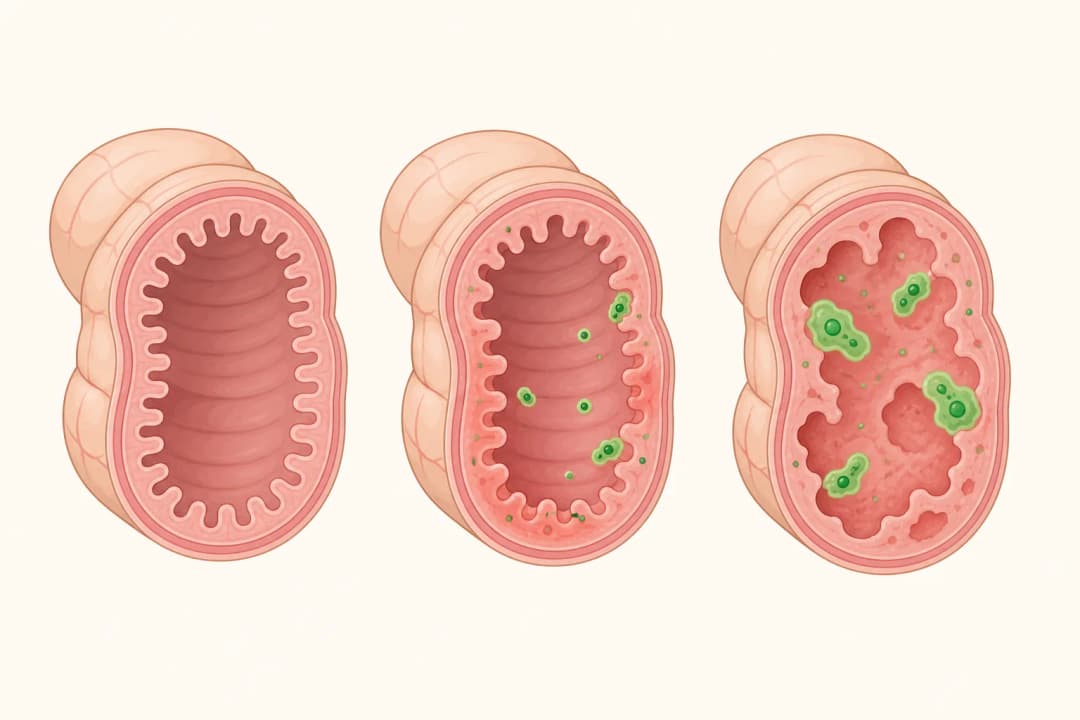
Amoebiasis spreads when material contaminated with stool is swallowed, often through unsafe food, water or hands. The parasite can remain in the intestine without causing illness, but it may invade the bowel lining and trigger pain, urgency and dysentery. Diarrhoea alone cannot identify amoebiasis because many infections and non-infectious problems cause the same symptom.
Fluid loss matters even before the cause is confirmed. Thirst, a dry mouth, reduced urination, dizziness and unusual tiredness can indicate dehydration.
Practical steps while arranging care
Sip oral rehydration solution prepared exactly as its packet directs. Continue fluids and simple foods as tolerated, and use safe drinking water. Wash hands with soap after using the toilet and before handling food; avoid preparing meals for other people while diarrhoea continues.
Arrange a clinical review if amoebiasis is suspected, particularly after travel or possible exposure to unsafe food or water. Do not take leftover antibiotics or anti-diarrhoeal medicine without advice. Treatment depends on the diagnosis, and medicine that slows the bowel may be unsuitable when stools are bloody.
Warning signs needing medical care
Seek urgent medical care for blood in the stool, severe or worsening abdominal pain, persistent vomiting, confusion, fainting, very little urine or inability to keep fluids down. Fever with marked weakness also deserves prompt assessment. Infants, older adults, pregnant people and anyone with reduced immunity can become unwell more quickly and should seek advice early.
Call local emergency services if the person is difficult to wake, collapses or has signs of severe dehydration. Rarely, amoebiasis can spread beyond the bowel and cause fever with pain in the upper right abdomen.
Useful questions for your appointment
Ask whether a stool sample is needed, how to collect it, and whether your travel, water or food history changes the testing plan. Clarify how to replace fluids, which medicines to avoid, what prescribed treatment is intended to clear, and whether follow-up testing is appropriate. Mention bloody stools, fever, pregnancy, liver disease, reduced immunity and every medicine or supplement you take.
Find care
General Clinics & Polyclinics in Abu Dhabi
That answer is general. If you want it applied to your own case, these are licensed general clinics & polyclinics listed in Abu Dhabi.
27 Ar Ruwwad St - Shakhbout City - MSH4 - Abu Dhabi - United Arab Emirates
Accepts: Daman, Thiqa, Cigna, MetLife +20 more
Al Ruwais, Al Dhafrah
Accepts: Daman, Thiqa, AXA, Cigna +16 more
Al Bahyah - Al Bahyah Old - Abu Dhabi - United Arab Emirates
Accepts: Daman, Thiqa, Cigna, Allianz Care +18 more
Abu Dhabi
Accepts: Daman, Thiqa, AXA, Cigna +27 more
Ordered by verification status and how complete each clinic's public record is, then alphabetically. This is a directory listing, not a ranking — Zavis does not rate or recommend providers.
A factual listing drawn from the DHA, DOH and MOHAP licence registers. It is not a referral, an endorsement, or advice that any of these providers is right for you.
Questions people ask
Does every case of amoebiasis cause diarrhoea?
No. Some people carry the parasite without symptoms; intestinal illness may cause loose stools, cramps or dysentery.
Can I stop diarrhoea with an over-the-counter medicine?
Check with a clinician or pharmacist first, especially if stool contains blood or you have fever. A bowel-slowing medicine can be unsuitable in invasive infection.
What should I drink?
Oral rehydration solution is designed to replace water and salts. Mix it precisely as directed and use safe water.
Related
Related reading
Keep reading
Medical disclaimer. This page is general health information, not medical advice, and it cannot diagnose you. Always consult a licensed healthcare provider about your own symptoms and treatment. In an emergency in the UAE, call 998 for an ambulance.