
What should you know about sports asthma?
Short answer
Sports asthma causes cough, wheezing, chest tightness, or breathlessness during or after exercise and should be assessed with an asthma plan.
This answers one question. It is not a diagnosis and does not replace an assessment by a licensed doctor.
At a glance
- Typical trigger
- Fast breathing during or after exercise
- Useful record
- Activity, air conditions, symptoms, and recovery time
- Safety point
- Follow a personal asthma action plan
What sports asthma means
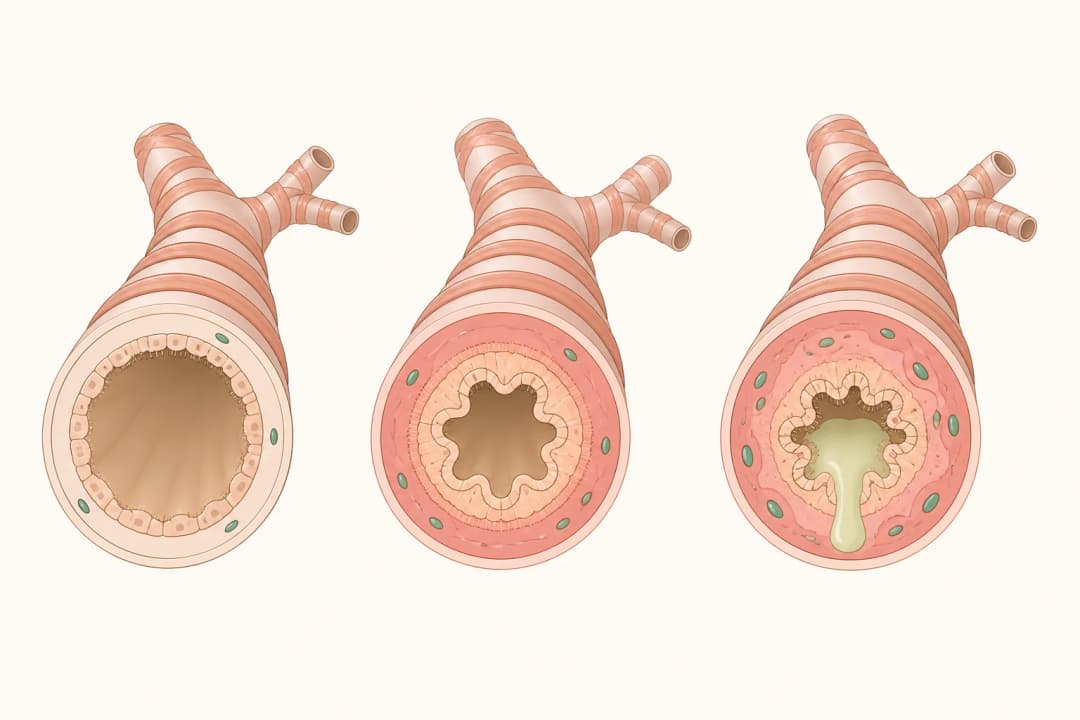
Exercise can make the airways narrow and irritated, especially when you breathe fast or take in cool, dry air. Symptoms may begin while running, swimming, or playing a field sport, or shortly after stopping. A person may have asthma that is mainly triggered by exercise, or exercise may add to symptoms from established asthma. Allergic rhinitis and exposure to dust or other irritants can make breathing symptoms harder to control. Cough, wheezing, and chest tightness are useful details to record, but they can also have other causes.
Practical steps before and during activity
Arrange a clinical review if symptoms repeatedly limit exercise, occur at rest, or take longer than expected to settle. A clinician may check your breathing and help you create an activity plan. Warm up gradually, follow the prescribed inhaler instructions, and keep reliever medicine available if it has been prescribed. Avoid exercising through worsening breathing, and move to a comfortable environment if cold air, smoke, or a known irritant is provoking symptoms. Do not borrow another person’s inhaler. A nebuliser treatment may be used in a healthcare setting when symptoms need more support.
When breathing symptoms need help
Seek urgent medical care for severe or rapidly worsening breathlessness, difficulty speaking in full sentences, blue or grey lips, faintness, confusion, or symptoms that do not improve with the action plan. Stop the activity and use prescribed emergency medicine as directed while arranging help. A new episode of wheezing or chest tightness should be assessed promptly, particularly when it follows a sting, food, or medicine exposure. Repeated exercise symptoms deserve a routine review even when they settle, because the treatment plan may need adjustment.
Questions to take to an appointment
Ask whether your symptoms fit exercise-related asthma, whether you need breathing tests, which warm-up and inhaler steps apply to you, and how to recognise an attack. Mention the activity, air conditions, timing of symptoms, recovery time, and any cough or wheeze between workouts.
Find care
General Clinics & Polyclinics in Abu Dhabi
That answer is general. If you want it applied to your own case, these are licensed general clinics & polyclinics listed in Abu Dhabi.
27 Ar Ruwwad St - Shakhbout City - MSH4 - Abu Dhabi - United Arab Emirates
Accepts: Daman, Thiqa, Cigna, MetLife +20 more
Al Ruwais, Al Dhafrah
Accepts: Daman, Thiqa, AXA, Cigna +16 more
Al Bahyah - Al Bahyah Old - Abu Dhabi - United Arab Emirates
Accepts: Daman, Thiqa, Cigna, Allianz Care +18 more
Abu Dhabi
Accepts: Daman, Thiqa, AXA, Cigna +27 more
Ordered by verification status and how complete each clinic's public record is, then alphabetically. This is a directory listing, not a ranking — Zavis does not rate or recommend providers.
A factual listing drawn from the DHA, DOH and MOHAP licence registers. It is not a referral, an endorsement, or advice that any of these providers is right for you.
Questions people ask
Can someone with sports asthma stay active?
Many people can remain active when symptoms are assessed and activity is matched to a prescribed asthma plan.
What symptoms should be recorded?
Record cough, wheezing, chest tightness, breathlessness, the activity involved, and how long recovery takes.
Keep reading
Medical disclaimer. This page is general health information, not medical advice, and it cannot diagnose you. Always consult a licensed healthcare provider about your own symptoms and treatment. In an emergency in the UAE, call 998 for an ambulance.