
What should you know about regulate period pcos?
Short answer
To regulate periods with PCOS, clinicians address irregular ovulation, protect the womb lining when needed, and match treatment to pregnancy plans.
This answers one question. It is not a diagnosis and does not replace an assessment by a licensed doctor.
At a glance
- Core issue
- PCOS may disrupt ovulation and period timing
- Treatment choice
- Depends on symptoms, health history, and pregnancy plans
Why PCOS changes periods
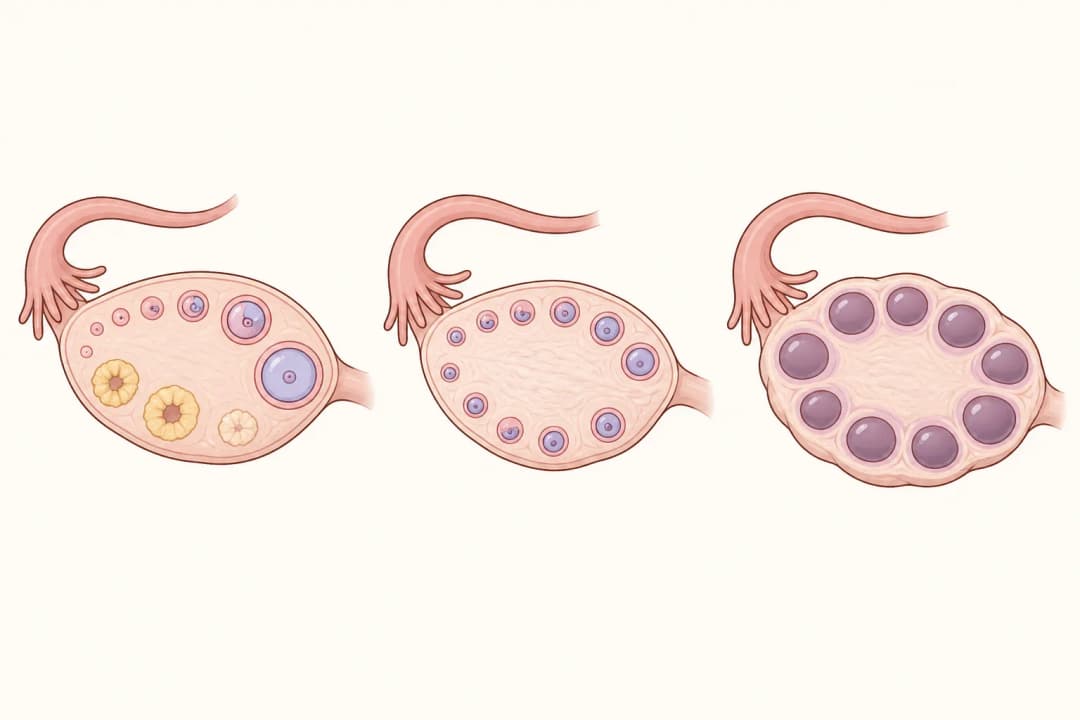
Polycystic Ovary Syndrome can interfere with the regular release of an egg. This anovulation may make periods irregular, widely spaced, or absent, and the next bleed can be heavier after a long gap. The condition can also be associated with acne, increased facial or body hair, and trouble getting pregnant, although symptoms vary.
The aim is not one identical schedule for everyone. A clinician considers bleeding history, pregnancy possibility, metabolic health, medicines, and whether you are trying to conceive. Long gaps without bleeding may allow the womb lining to build up, so ask how your plan will manage that risk.
Building a management plan
Track bleeding dates, flow, pain, medicines, and symptoms between periods. Review lifestyle factors that affect overall health, such as sleep, movement, nutrition, and stress, without treating them as a substitute for medical care. A clinician may discuss cycle regulation with hormonal treatment such as the Combined Pill, or other options when pregnancy is desired. Treatment should reflect your health history and contraception needs; do not start hormones from someone else’s prescription.
When to seek care
Seek prompt advice for very heavy bleeding, faintness, severe pain, or a positive pregnancy test with pain or bleeding. Arrange review if periods stop, become increasingly unpredictable, or bleeding continues for longer than expected. Contact a clinician about trouble getting pregnant so ovulation and fertility options can be discussed rather than waiting without a plan.
Questions to bring
Ask how often you need a bleed for womb-lining protection, which option suits your pregnancy plans, and how to take it safely. Ask whether your symptoms need tests for other causes and what to do if a period is missed.
Find care
General Clinics & Polyclinics in Abu Dhabi
That answer is general. If you want it applied to your own case, these are licensed general clinics & polyclinics listed in Abu Dhabi.
27 Ar Ruwwad St - Shakhbout City - MSH4 - Abu Dhabi - United Arab Emirates
Accepts: Daman, Thiqa, Cigna, MetLife +20 more
Al Ruwais, Al Dhafrah
Accepts: Daman, Thiqa, AXA, Cigna +16 more
Al Bahyah - Al Bahyah Old - Abu Dhabi - United Arab Emirates
Accepts: Daman, Thiqa, Cigna, Allianz Care +18 more
Abu Dhabi
Accepts: Daman, Thiqa, AXA, Cigna +27 more
Ordered by verification status and how complete each clinic's public record is, then alphabetically. This is a directory listing, not a ranking — Zavis does not rate or recommend providers.
A factual listing drawn from the DHA, DOH and MOHAP licence registers. It is not a referral, an endorsement, or advice that any of these providers is right for you.
Questions people ask
Can PCOS cause missed periods?
Yes. Irregular ovulation in PCOS can lead to missed or widely spaced periods, but pregnancy and other causes should be considered.
Can I regulate periods while trying to conceive?
The approach changes when pregnancy is desired; discuss ovulation and fertility treatment options with a clinician rather than using cycle-control contraception.
Related
Related reading
Keep reading
Medical disclaimer. This page is general health information, not medical advice, and it cannot diagnose you. Always consult a licensed healthcare provider about your own symptoms and treatment. In an emergency in the UAE, call 998 for an ambulance.