
How is polycystic ovary syndrome treated?
Short answer
Polycystic ovary syndrome is managed according to your symptoms and goals, using lifestyle support, medicines, cycle control or fertility treatment.
This answers one question. It is not a diagnosis and does not replace an assessment by a licensed doctor.
At a glance
- Treatment is guided by
- Symptoms, cycle pattern, health findings and pregnancy plans
- Fertility options
- Ovulation induction or IVF may be considered when appropriate
What treatment can target
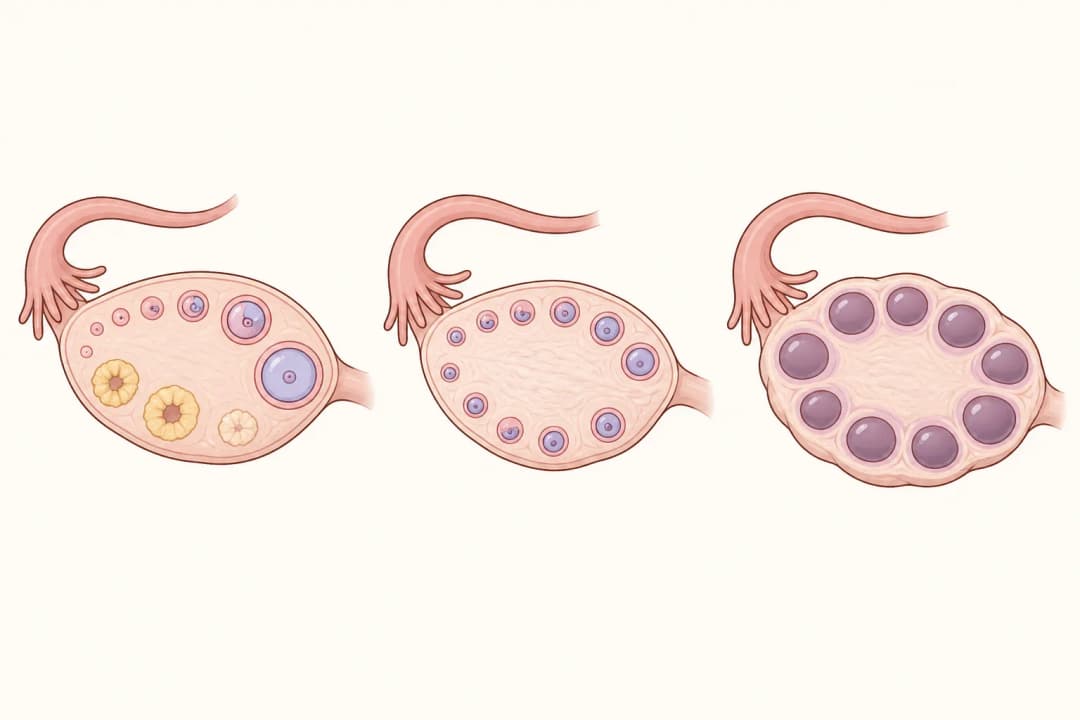
Polycystic ovary syndrome can affect ovulation, periods, skin, hair growth and the way the body handles insulin. Treatment is not one fixed package. A clinician may discuss nutrition, enjoyable activity, sleep and weight support without making weight change the only goal. Regular review can help identify changes in blood pressure, glucose or cholesterol and plan appropriate care.
The combined pill can regulate bleeding and may help some androgen-related symptoms when suitable. A hormonal coil can protect the womb lining and provide contraception, although it may not address every PCOS symptom. If pregnancy is wanted, ovulation induction may be offered. IVF is another fertility option when other approaches have not achieved pregnancy or when there are additional fertility factors.
Planning your next step
Write down your usual cycle pattern, episodes of heavy or irregular bleeding, medicines, pregnancy plans and symptoms such as acne or unwanted hair growth. Arrange a review if periods are repeatedly missed, because the womb lining may need protection. If pregnancy is a goal, seek preconception advice and discuss folic acid, existing conditions and medicines before trying.
When to seek care
Seek urgent help for very heavy bleeding with dizziness or fainting, severe abdominal pain, or a positive pregnancy test with pain or bleeding. Contact a clinician for a new persistent change in bleeding, symptoms of high blood sugar such as marked thirst and frequent urination, or distressing mood symptoms.
Questions for your doctor
Ask which PCOS features need treatment now, how often your periods should be protected, which contraceptive or fertility option fits your plans, and what health checks are appropriate. Ask how treatment may affect bleeding, skin, hair, mood and pregnancy.
Find care
General Clinics & Polyclinics in Abu Dhabi
That answer is general. If you want it applied to your own case, these are licensed general clinics & polyclinics listed in Abu Dhabi.
27 Ar Ruwwad St - Shakhbout City - MSH4 - Abu Dhabi - United Arab Emirates
Accepts: Daman, Thiqa, Cigna, MetLife +20 more
Al Ruwais, Al Dhafrah
Accepts: Daman, Thiqa, AXA, Cigna +16 more
Al Bahyah - Al Bahyah Old - Abu Dhabi - United Arab Emirates
Accepts: Daman, Thiqa, Cigna, Allianz Care +18 more
Abu Dhabi
Accepts: Daman, Thiqa, AXA, Cigna +27 more
Ordered by verification status and how complete each clinic's public record is, then alphabetically. This is a directory listing, not a ranking — Zavis does not rate or recommend providers.
A factual listing drawn from the DHA, DOH and MOHAP licence registers. It is not a referral, an endorsement, or advice that any of these providers is right for you.
Questions people ask
Does everyone with PCOS need the same treatment?
No. Treatment is selected for the person’s periods, symptoms, health needs, contraception preferences and pregnancy goals.
Can PCOS be treated when pregnancy is wanted?
Yes. A clinician can discuss preconception care and fertility treatments such as ovulation induction, with IVF considered in some circumstances.
Related
Related reading
Keep reading
Medical disclaimer. This page is general health information, not medical advice, and it cannot diagnose you. Always consult a licensed healthcare provider about your own symptoms and treatment. In an emergency in the UAE, call 998 for an ambulance.