
Athletic induced asthma: symptoms and next steps
Short answer
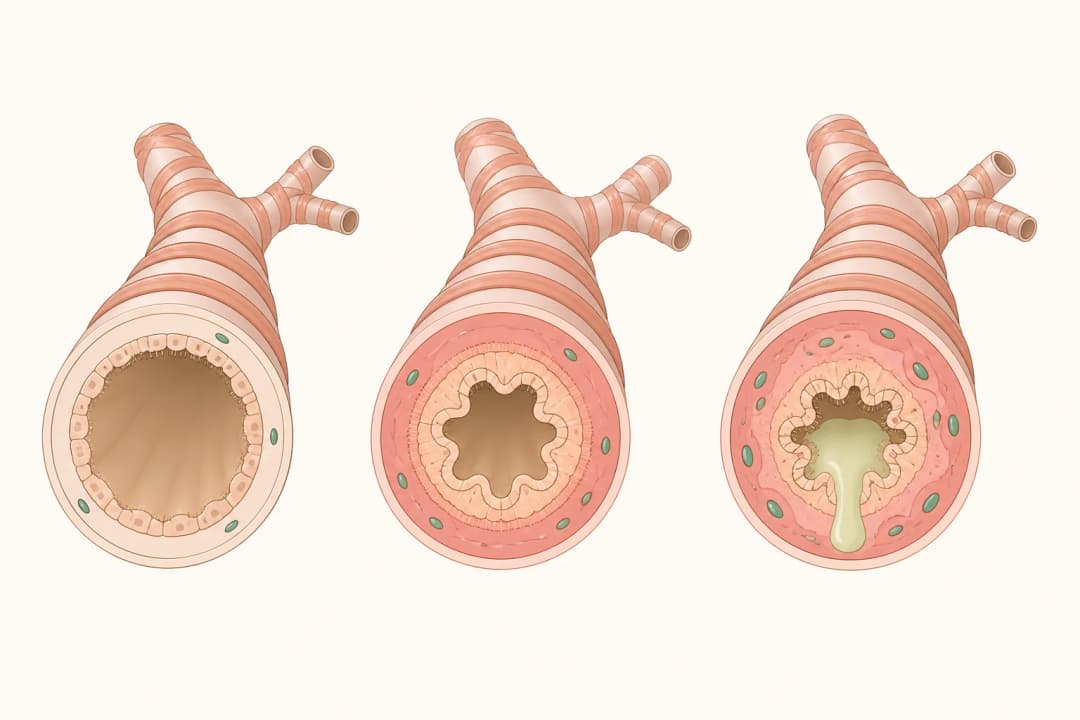
Athletic induced asthma is a non-medical name for breathing symptoms caused by exercise-related airway narrowing, more accurately called exercise-induced bronchoconstriction.
This answers one question. It is not a diagnosis and does not replace an assessment by a licensed doctor.
At a glance
- Clinical term
- Exercise-induced bronchoconstriction
- Helpful record
- Activity, conditions, symptom timing and medicine response
- Diagnosis
- Often supported by objective lung-function testing
In brief
The pattern can include coughing, wheezing, chest pressure, unusual breathlessness or a sudden drop in exercise capacity. Proper assessment matters because several breathing, heart and fitness-related problems can feel similar.
Recognising the pattern
Symptoms tend to track with vigorous activity and may be more noticeable after the effort ends. Cold dry air, airborne irritants, pollen and a recent respiratory infection can make episodes easier to trigger. Exercise is a trigger for airway narrowing, not a reason to assume all exertional breathlessness is asthma.
A clinician may compare lung function at rest with readings after a bronchodilator or controlled exercise. They will also ask whether symptoms occur at night, at work or without exertion, because those details help judge overall asthma control and alternative explanations.
Prepare for training
Record the activity, weather, air quality, symptom timing and any medicine used. Begin sessions with progressive movement and include recovery intervals when needed. On dusty or polluted days, consider moving the workout indoors if that environment is cleaner.
Keep your prescribed reliever accessible and follow the timing in your individual asthma plan; do not borrow another person's inhaler. If a preventive inhaler is prescribed, regular use and correct technique are central to controlling airway inflammation. A spacer may be recommended for some inhalers.
Signs that need medical attention
Book a clinical review when episodes recur, training capacity declines, symptoms appear without exercise or the prescribed reliever is needed more often than expected. Seek emergency care if breathing becomes very difficult, the person cannot speak normally, lips look blue or grey, alertness changes, or symptoms continue to intensify after following the rescue plan.
Plan the conversation
Bring your symptom and training notes. Ask which test could confirm airway narrowing, whether your current control treatment is sufficient, what pre-exercise medicine is suitable for you, how to check inhaler technique and how to adapt the plan during respiratory illness.
Find care
General Clinics & Polyclinics in Abu Dhabi
That answer is general. If you want it applied to your own case, these are licensed general clinics & polyclinics listed in Abu Dhabi.
27 Ar Ruwwad St - Shakhbout City - MSH4 - Abu Dhabi - United Arab Emirates
Accepts: Daman, Thiqa, Cigna, MetLife +20 more
Al Ruwais, Al Dhafrah
Accepts: Daman, Thiqa, AXA, Cigna +16 more
Al Bahyah - Al Bahyah Old - Abu Dhabi - United Arab Emirates
Accepts: Daman, Thiqa, Cigna, Allianz Care +18 more
Abu Dhabi
Accepts: Daman, Thiqa, AXA, Cigna +27 more
Ordered by verification status and how complete each clinic's public record is, then alphabetically. This is a directory listing, not a ranking — Zavis does not rate or recommend providers.
A factual listing drawn from the DHA, DOH and MOHAP licence registers. It is not a referral, an endorsement, or advice that any of these providers is right for you.
Questions people ask
Is being out of shape the same as exercise-induced bronchoconstriction?
No. Deconditioning can cause heavy breathing, but airway narrowing more often produces cough, wheeze or tightness in a repeatable pattern. Testing helps separate overlapping causes.
Should I use an inhaler before every workout?
Only follow the schedule prescribed for your inhaler and personal asthma plan. The right medicine and timing depend on your diagnosis, symptom frequency and overall control.
Can nasal allergies affect training symptoms?
Allergic nasal inflammation can coexist with asthma and add congestion or mouth breathing. Tell your clinician about seasonal symptoms, sneezing and known allergen exposure.
Related
Related reading
Keep reading
Medical disclaimer. This page is general health information, not medical advice, and it cannot diagnose you. Always consult a licensed healthcare provider about your own symptoms and treatment. In an emergency in the UAE, call 998 for an ambulance.