
Activity-induced asthma: what to know
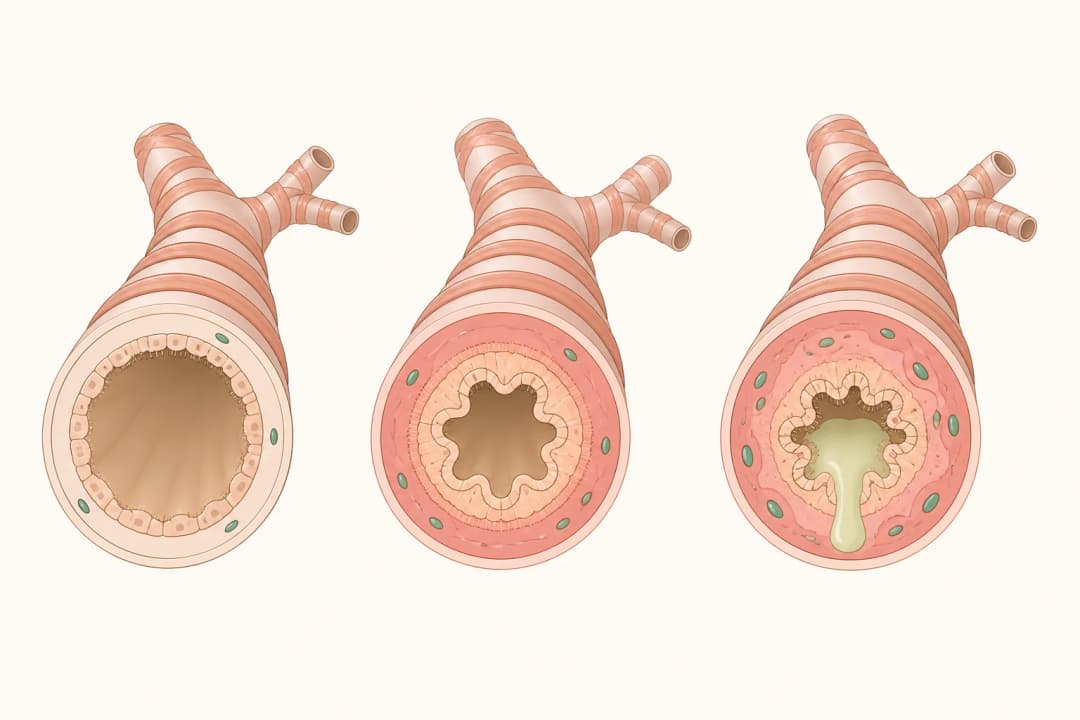
Short answer
Activity-induced asthma is narrowing of the airways during or after exercise, and it can usually be managed with suitable preparation and prescribed treatment.
This answers one question. It is not a diagnosis and does not replace an assessment by a licensed doctor.
At a glance
- Typical timing
- During exercise or shortly afterwards
- Common features
- Cough, wheeze, chest tightness and unusual breathlessness
- Helpful preparation
- A gradual warm-up and the prescribed asthma plan
The short answer
You may hear this called exercise-induced bronchoconstriction. It does not mean you must avoid physical activity; the aim is to find a plan that lets you exercise while keeping symptoms controlled.
What happens in the airways
Faster breathing during exercise brings more cool or dry air into the airways. In a sensitive airway, this can lead to temporary tightening and swelling. Asthma can present with wheezing, cough, chest tightness or unusual breathlessness during activity or shortly afterwards. Symptoms may be more noticeable with cold air, dust, pollen, pollution or a recent respiratory infection.
Breathlessness from exertion alone can feel similar, so the timing, triggers and response to treatment matter. A clinician may review your symptom pattern, listen to your chest and arrange breathing tests before and after medication or exercise when appropriate.
Preparing for exercise
Begin with a gradual warm-up and increase intensity in stages. Choose a less polluted or less dusty setting when those exposures trigger symptoms, and consider a face covering in cold, dry air. Keep any prescribed reliever inhaler accessible and use it exactly as your clinician has advised. Check the inhaler technique and expiry date rather than waiting until symptoms start.
Pause activity if coughing, wheezing or tightness develops. Follow your personal asthma action plan. Frequent symptoms, night waking, reduced exercise tolerance or repeated reliance on a reliever can signal that background asthma control needs review.
When breathing trouble needs care
Arrange a medical review if exercise repeatedly causes breathing symptoms, symptoms are becoming easier to trigger, or the prescribed plan is no longer working as expected. Assessment can separate airway narrowing from other causes of exertional breathlessness.
Seek urgent help for severe breathlessness, difficulty speaking in full sentences, blue or grey lips, faintness, confusion, marked chest tightness, or symptoms that keep worsening despite the prescribed reliever. Stop exercising and do not drive yourself if breathing is severely impaired.
Useful questions for your appointment
Ask whether your pattern fits exercise-induced bronchoconstriction, whether breathing tests would help, and which inhaler should be used before or during activity. Also ask for a demonstration of inhaler technique, a written action plan, and advice about the sports or environmental triggers you encounter.
Find care
General Clinics & Polyclinics in Abu Dhabi
That answer is general. If you want it applied to your own case, these are licensed general clinics & polyclinics listed in Abu Dhabi.
27 Ar Ruwwad St - Shakhbout City - MSH4 - Abu Dhabi - United Arab Emirates
Accepts: Daman, Thiqa, Cigna, MetLife +20 more
Al Ruwais, Al Dhafrah
Accepts: Daman, Thiqa, AXA, Cigna +16 more
Al Bahyah - Al Bahyah Old - Abu Dhabi - United Arab Emirates
Accepts: Daman, Thiqa, Cigna, Allianz Care +18 more
Abu Dhabi
Accepts: Daman, Thiqa, AXA, Cigna +27 more
Ordered by verification status and how complete each clinic's public record is, then alphabetically. This is a directory listing, not a ranking — Zavis does not rate or recommend providers.
A factual listing drawn from the DHA, DOH and MOHAP licence registers. It is not a referral, an endorsement, or advice that any of these providers is right for you.
Questions people ask
Can I exercise if I have activity-induced asthma?
Many people can remain active with suitable asthma control, a gradual warm-up and access to their prescribed reliever. Choose an intensity that feels manageable and stop if symptoms appear.
Does getting out of breath during exercise confirm asthma?
No. Fitness level, breathing pattern, heart conditions and other airway problems can also cause exertional breathlessness. A clinician can assess the pattern and decide whether breathing tests are appropriate.
Should I use an inhaler before every workout?
Use an inhaler before activity only according to your individual prescription or asthma action plan. If you need it more often than planned, arrange a medication review.
Related
Related reading
Keep reading
Medical disclaimer. This page is general health information, not medical advice, and it cannot diagnose you. Always consult a licensed healthcare provider about your own symptoms and treatment. In an emergency in the UAE, call 998 for an ambulance.