

Abu Dhabi breast cancer screenings rose 377.5% in October 2025
Abu Dhabi’s October screening surge gives UAE clinics a demand signal. Operators, insurers and patients need capacity, eligibility and price clarity.
How Zavis verifies this coverage
Editorial standards, source rules, methodology, and review provenance are public.
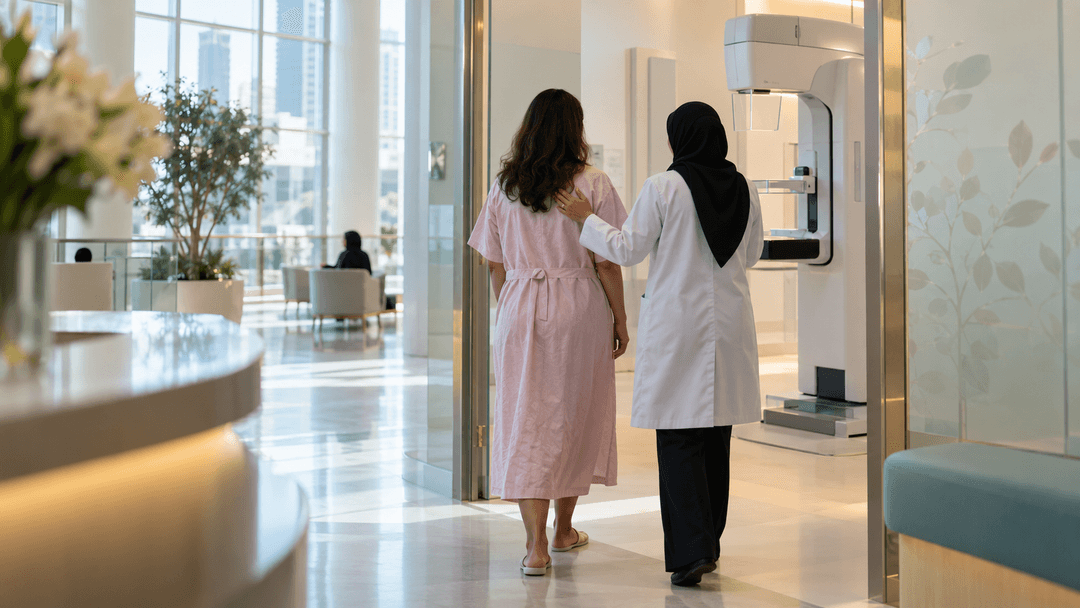
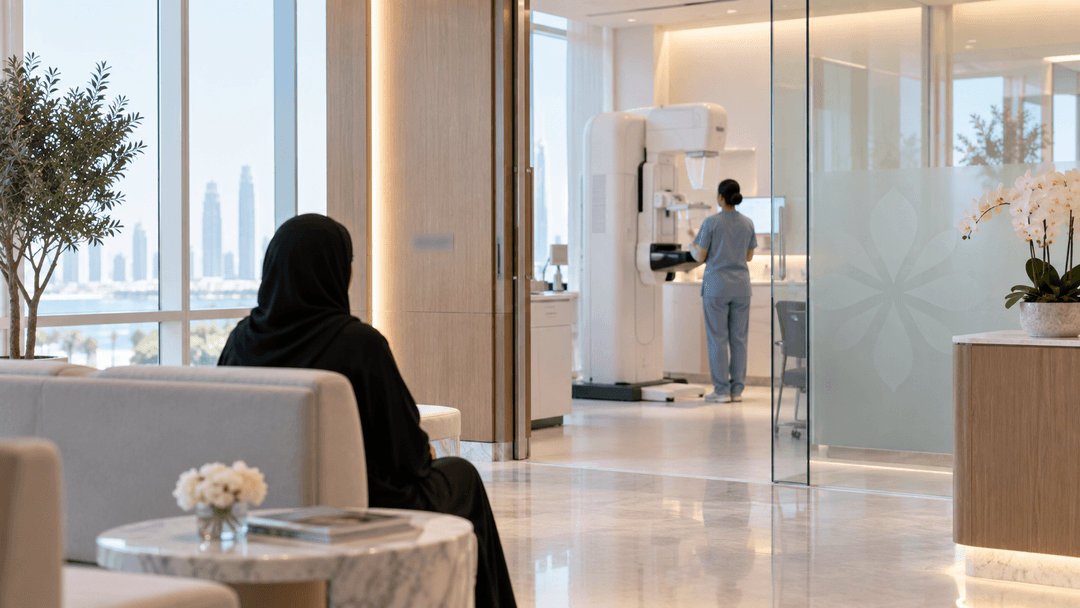
Abu Dhabi recorded a 377.5% rise in breast cancer screenings in October 2025 compared with October 2024, after the Abu Dhabi Public Health Centre’s Check What Really Matters campaign pushed women toward early detection.
The readers with the most at stake are clinic COOs, insurer finance teams and medical directors. For Dubai providers regulated by the Dubai Health Authority (DHA), the Abu Dhabi result is a demand signal before and during October campaigns. For Abu Dhabi and Al Ain providers regulated by the Department of Health Abu Dhabi (DOH), it is also a capacity test. For Northern Emirates providers regulated by the Ministry of Health and Prevention (MOHAP), the same seasonal demand can expose gaps in imaging slots, recall workflows and oncology referral routes.
What changed in Abu Dhabi
The figure was released after ADPHC hosted a breast cancer panel titled Breast Cancer: Behavioural Change and Innovation for Healthier Communities on 5 October 2026. ADPHC said the October 2025 increase coincided with the previous edition of Check What Really Matters, which used public messaging, community locations and free mammogram screenings during Breast Cancer Awareness Month.
“The increase we saw in breast cancer screenings last October shows what can happen when awareness turns into action.”
Dr. Rashed Al Suwaidi, Director General, Abu Dhabi Public Health Centre
ADPHC has linked the increase to barriers that operators see every week: fear of results, misconceptions about mammograms and practical friction in booking. Its 2026 campaign extends into malls, salons, coffee destinations and TrainYAS community events. That matters because breast screening demand is created outside hospitals, while the operational burden lands inside imaging departments and breast clinics.
What clinics and insurers should watch
DHA’s Dubai Periodic Health Screening Guideline, issued on 11 March 2024 and effective from 11 May 2024, states that women aged 40 and over are advised to attend breast screening with a mammogram every 2 years. Women with added risk factors, including family history or inherited genetic mutation, may start earlier on clinician advice.
ADPHC’s breast cancer guidance for Abu Dhabi gives the same operational baseline: women aged 40 to 75 should have a mammogram every 2 years, while women aged 20 to 39 should have a clinical breast exam every 3 years. The DOH breast cancer screening standard also sets annual mammography and, for some high-risk women, annual MRI for groups such as women aged 25 and older with strong family history or genetic predisposition.
For insurers, the 377.5% jump should be read as a claims-timing issue as much as a public-health success. Daman, Thiqa and Sukoon plan teams should check whether preventive mammograms, breast ultrasound add-ons, genetic counselling referrals and MRI for high-risk women are coded consistently across Dubai, Abu Dhabi and the Northern Emirates.
- Clinics should reserve October mammography slots before awareness campaigns go live.
- Call centres should ask age, family history, prior biopsy and insurance plan before booking.
- Radiology teams should set recall pathways for abnormal mammograms before volume rises.
- Insurers should separate screening mammograms from diagnostic follow-up in claims analysis.
Price, access and patient routing
Self-pay pricing varies by facility, package content and whether consultation is included. Mediclinic lists a mammogram at AED 375, breast ultrasound at AED 350, and mammogram plus ultrasound at AED 725 in its breast cancer screening package. Cleveland Clinic Abu Dhabi lists a breast cancer screening package from AED 1,700, including initial digital consultation, mammography and digital follow-up, and a fast breast MRI package from AED 2,000.
Patients should ask three questions before booking: whether the appointment is screening or diagnostic, whether a consultation is included, and whether the insurer requires pre-approval. Clinics should publish the same information before October. The missed step is often after the mammogram. If a patient needs ultrasound, biopsy or breast surgeon review, the provider must be able to route that patient inside a named pathway rather than asking her to restart the search.
The next signal to watch is whether Abu Dhabi sustains screening beyond October 2026. A one-month surge fills machines. A year-round shift changes staffing, payer utilisation and oncology referral demand. UAE operators planning breast health capacity should start with licensed providers, regulator jurisdiction and insurance acceptance. The UAE Open Healthcare Directory lists licensed healthcare providers across all 7 emirates and can be used to find oncology and cancer-care providers by location, regulator and contact route.
Zavis Intelligence
Healthcare Industry Desk
Contributing to UAE healthcare industry coverage
Related coverage


FAQ
What is happening in UAE healthcare industry?
Abu Dhabi’s October screening surge gives UAE clinics a demand signal. Operators, insurers and patients need capacity, eligibility and price clarity.