
What should you know about treatment of asthma in adults?
Short answer
Treatment of asthma in adults usually combines a prescribed reliever plan with regular anti-inflammatory treatment and trigger management.
This answers one question. It is not a diagnosis and does not replace an assessment by a licensed doctor.
At a glance
- Main goal
- Control inflammation and prevent flare-ups
- Review focus
- Symptoms, inhaler technique, and triggers
How asthma treatment works
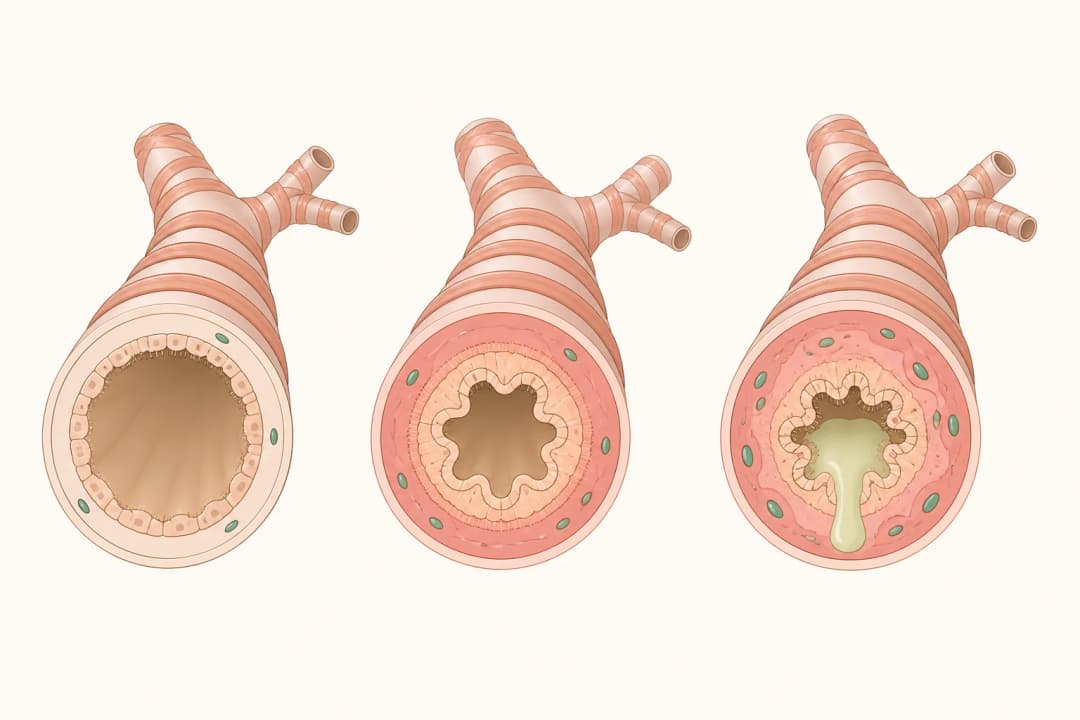
Asthma causes sensitive airways to narrow and become inflamed. Inhaled anti-inflammatory medicine helps settle that inflammation over time, while a reliever inhaler can open narrowed airways during symptoms. The right inhaler, strength, and schedule depend on your symptoms, breathing tests, other conditions, and how often you need relief.
A clinician may review your inhaler technique, smoking or vaping exposure, allergies, and conditions such as allergic rhinitis. Cough, wheezing, chest tightness, or breathlessness can change from day to day, so treatment is adjusted to your pattern.
Practical steps
Use your controller inhaler exactly as prescribed, even when breathing feels settled, and keep your reliever available. Ask a clinician to watch your technique; a poor seal or timing can leave medicine in the mouth instead of the lungs. Rinse your mouth after a steroid inhaler when advised.
Keep a written action plan explaining your medicines, early warning signs, and what to do if symptoms worsen. Reduce avoidable triggers such as smoke, strong scents, dust, or known allergens. A nebuliser treatment may be used in urgent settings when inhaled medicine needs supervised delivery.
When to get help
Seek urgent medical help if breathlessness is severe, you cannot speak comfortably, your lips look blue or grey, you feel faint, or your reliever is not giving expected relief. Sit upright and follow your action plan while help is arranged.
Arrange a prompt review when night symptoms return, exercise becomes difficult, you need the reliever more often, or usual activities are limited. Do not increase doses or borrow another person’s inhaler without medical advice.
Questions for your doctor
Which inhaler is my controller, which is my reliever, and how should I use each one? What symptoms mean that I should seek urgent care? Could allergies or another cause of chronic cough be affecting my control?
Find care
General Clinics & Polyclinics in Abu Dhabi
That answer is general. If you want it applied to your own case, these are licensed general clinics & polyclinics listed in Abu Dhabi.
27 Ar Ruwwad St - Shakhbout City - MSH4 - Abu Dhabi - United Arab Emirates
Accepts: Daman, Thiqa, Cigna, MetLife +20 more
Al Ruwais, Al Dhafrah
Accepts: Daman, Thiqa, AXA, Cigna +16 more
Al Bahyah - Al Bahyah Old - Abu Dhabi - United Arab Emirates
Accepts: Daman, Thiqa, Cigna, Allianz Care +18 more
Abu Dhabi
Accepts: Daman, Thiqa, AXA, Cigna +27 more
Ordered by verification status and how complete each clinic's public record is, then alphabetically. This is a directory listing, not a ranking — Zavis does not rate or recommend providers.
A factual listing drawn from the DHA, DOH and MOHAP licence registers. It is not a referral, an endorsement, or advice that any of these providers is right for you.
Questions people ask
Do adults with asthma need treatment every day?
Many adults need regular controller treatment, while the schedule depends on symptoms and clinical assessment. Follow the plan prescribed for you.
Can asthma symptoms disappear for a while?
Yes, symptoms can vary. Feeling better does not necessarily mean airway inflammation has settled, so discuss any treatment change with a clinician.
Keep reading
Medical disclaimer. This page is general health information, not medical advice, and it cannot diagnose you. Always consult a licensed healthcare provider about your own symptoms and treatment. In an emergency in the UAE, call 998 for an ambulance.