
What should you know about sports induced asthma?
Short answer
Sports induced asthma is airway narrowing linked with exercise, causing symptoms such as coughing, wheezing, chest tightness, or shortness of breath.
This answers one question. It is not a diagnosis and does not replace an assessment by a licensed doctor.
At a glance
- Pattern
- Symptoms may occur during or after exercise
- Common clues
- Cough, wheeze, chest tightness, breathlessness
- Plan
- Use prescribed treatment and an action plan
How exercise can affect the airways
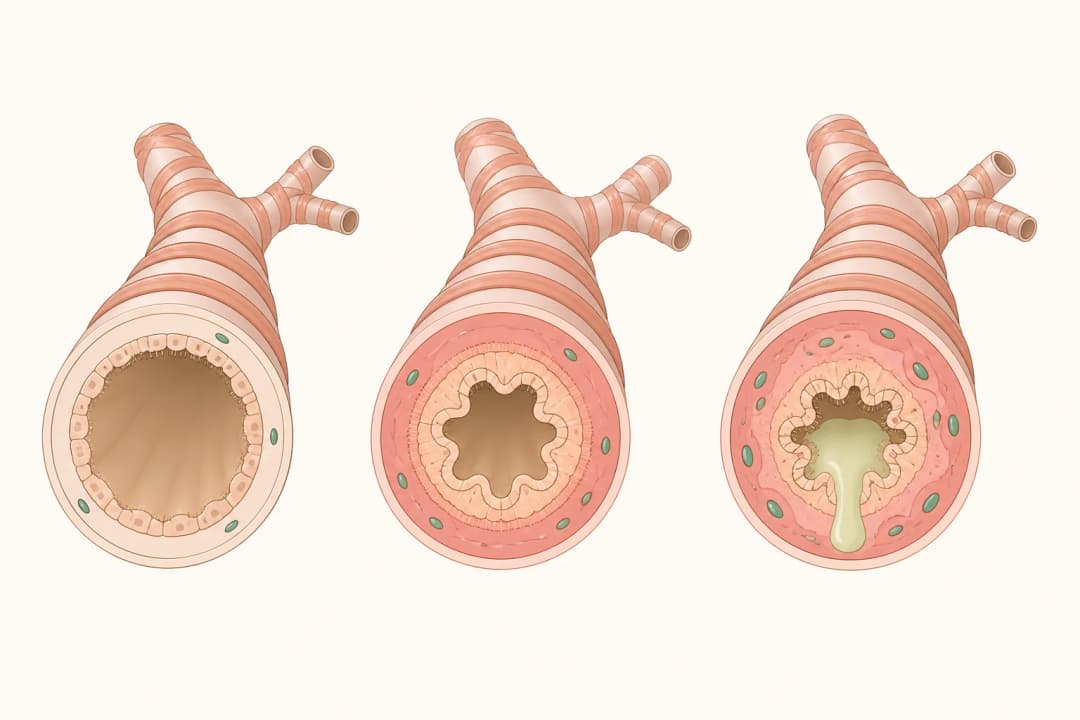
When exercise increases breathing, the airways may lose moisture and become sensitive. Narrowing can cause cough, wheeze, chest tightness, or breathlessness during activity or in the period after it. Symptoms may be more noticeable in cool, dry air, around smoke, or when allergies are active. This pattern can occur with asthma, but symptoms alone do not establish the diagnosis. A clinician may consider your history, examine you, and arrange breathing assessment.
Preparing for exercise
Keep a record of the sport, intensity, surroundings, symptom timing, and recovery. Warm up progressively and use any prescribed pre-exercise or reliever treatment exactly as instructed. Carry your own medication and tell a coach or exercise partner what to do if breathing worsens. Reduce exposure to smoke and other known triggers. If symptoms recur, book a review rather than stopping all movement without guidance; the right plan may allow safer participation. Never use someone else’s inhaler or change a dose without clinical advice.
Recognising an urgent episode
Get urgent help if breathing becomes severe, speech is difficult, the lips look blue or grey, you become drowsy or faint, or prescribed rescue treatment is not helping. Stop exercising, follow the written action plan, and arrange emergency care. Prompt review is also sensible for a first episode, symptoms after an allergic exposure, or attacks that are becoming more frequent. Persistent cough or wheezing between activities should not be dismissed as fitness or poor conditioning.
Useful appointment questions
Ask what tests can clarify the pattern, whether you need a written action plan, how to use your inhaler before activity, and which symptoms mean you should stop. Share your usual sport, training schedule, environmental exposures, and any symptoms when resting.
Find care
General Clinics & Polyclinics in Abu Dhabi
That answer is general. If you want it applied to your own case, these are licensed general clinics & polyclinics listed in Abu Dhabi.
27 Ar Ruwwad St - Shakhbout City - MSH4 - Abu Dhabi - United Arab Emirates
Accepts: Daman, Thiqa, Cigna, MetLife +20 more
Al Ruwais, Al Dhafrah
Accepts: Daman, Thiqa, AXA, Cigna +16 more
Al Bahyah - Al Bahyah Old - Abu Dhabi - United Arab Emirates
Accepts: Daman, Thiqa, Cigna, Allianz Care +18 more
Abu Dhabi
Accepts: Daman, Thiqa, AXA, Cigna +27 more
Ordered by verification status and how complete each clinic's public record is, then alphabetically. This is a directory listing, not a ranking — Zavis does not rate or recommend providers.
A factual listing drawn from the DHA, DOH and MOHAP licence registers. It is not a referral, an endorsement, or advice that any of these providers is right for you.
Questions people ask
Is sports induced asthma the same as asthma?
It describes an exercise-linked symptom pattern; a clinician decides whether it reflects asthma or another breathing problem.
Should exercise be avoided?
Do not push through worsening symptoms; seek assessment so activity can be guided safely.
Keep reading
Medical disclaimer. This page is general health information, not medical advice, and it cannot diagnose you. Always consult a licensed healthcare provider about your own symptoms and treatment. In an emergency in the UAE, call 998 for an ambulance.