
What should you know about pneumonia?
Short answer
Pneumonia is a lung infection that can cause cough, fever and breathing problems, so timely assessment is important.
This answers one question. It is not a diagnosis and does not replace an assessment by a licensed doctor.
At a glance
- What it is
- Inflammation from infection in the lungs
- Symptoms
- Cough, fever, phlegm or breathing difficulty
- Care
- Depends on cause, severity and general health
How pneumonia affects you
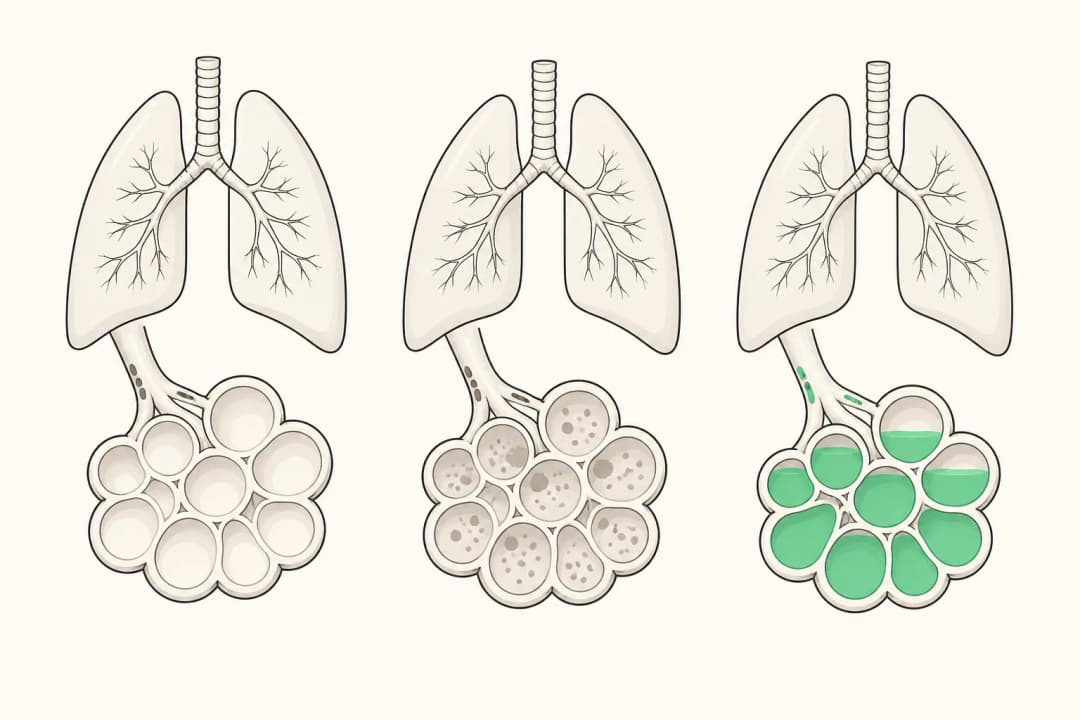
In pneumonia, inflammation and fluid in the tiny air spaces of the lungs can interfere with oxygen moving into the blood. Germs such as bacteria or viruses may be responsible. People may develop cough, phlegm, fever, chills, chest pain when breathing or marked fatigue. COVID-19 and influenza are among illnesses a clinician may consider because they can produce similar respiratory symptoms. Examination, oxygen checks and sometimes chest imaging help distinguish pneumonia from other causes.
Practical steps
Contact a healthcare professional when pneumonia is possible, especially if breathing is difficult or symptoms are progressing. Use medicines only as prescribed; antibiotics do not treat viral infections, and an antibiotic should not be borrowed or saved for later. Rest, take suitable fluids, avoid tobacco smoke and monitor breathing, temperature and alertness. Keep any follow-up appointment so recovery can be checked and treatment adjusted if needed.
Warning signs
Get emergency help for severe breathlessness, blue or grey lips, confusion, collapse, inability to wake normally or intense chest pain. Seek urgent advice if fever persists with worsening weakness, drinking becomes difficult or breathing changes quickly. A serious infection can affect the whole body, so a sudden deterioration warrants immediate attention rather than waiting for a routine appointment.
Useful questions
Ask what is causing the infection, whether you need an oxygen check or chest image, which treatments are appropriate, how to manage fever and cough, and what symptoms should trigger urgent help. Clarify when you should be reviewed if recovery is slower than expected.
Find care
General Clinics & Polyclinics in Abu Dhabi
That answer is general. If you want it applied to your own case, these are licensed general clinics & polyclinics listed in Abu Dhabi.
27 Ar Ruwwad St - Shakhbout City - MSH4 - Abu Dhabi - United Arab Emirates
Accepts: Daman, Thiqa, Cigna, MetLife +20 more
Al Ruwais, Al Dhafrah
Accepts: Daman, Thiqa, AXA, Cigna +16 more
Al Bahyah - Al Bahyah Old - Abu Dhabi - United Arab Emirates
Accepts: Daman, Thiqa, Cigna, Allianz Care +18 more
Abu Dhabi
Accepts: Daman, Thiqa, AXA, Cigna +27 more
Ordered by verification status and how complete each clinic's public record is, then alphabetically. This is a directory listing, not a ranking — Zavis does not rate or recommend providers.
A factual listing drawn from the DHA, DOH and MOHAP licence registers. It is not a referral, an endorsement, or advice that any of these providers is right for you.
Questions people ask
Does every cough mean pneumonia?
No. Cough has many causes, and a cough alone cannot diagnose pneumonia. Assessment is more important when fever, breathlessness or worsening illness is present.
What should I monitor at home?
Notice changes in breathing, alertness, fluid intake, fever and overall strength, and seek urgent help if these worsen significantly.
Related
Related reading
Medical disclaimer. This page is general health information, not medical advice, and it cannot diagnose you. Always consult a licensed healthcare provider about your own symptoms and treatment. In an emergency in the UAE, call 998 for an ambulance.