
ICS asthma treatment: what you should know
Short answer
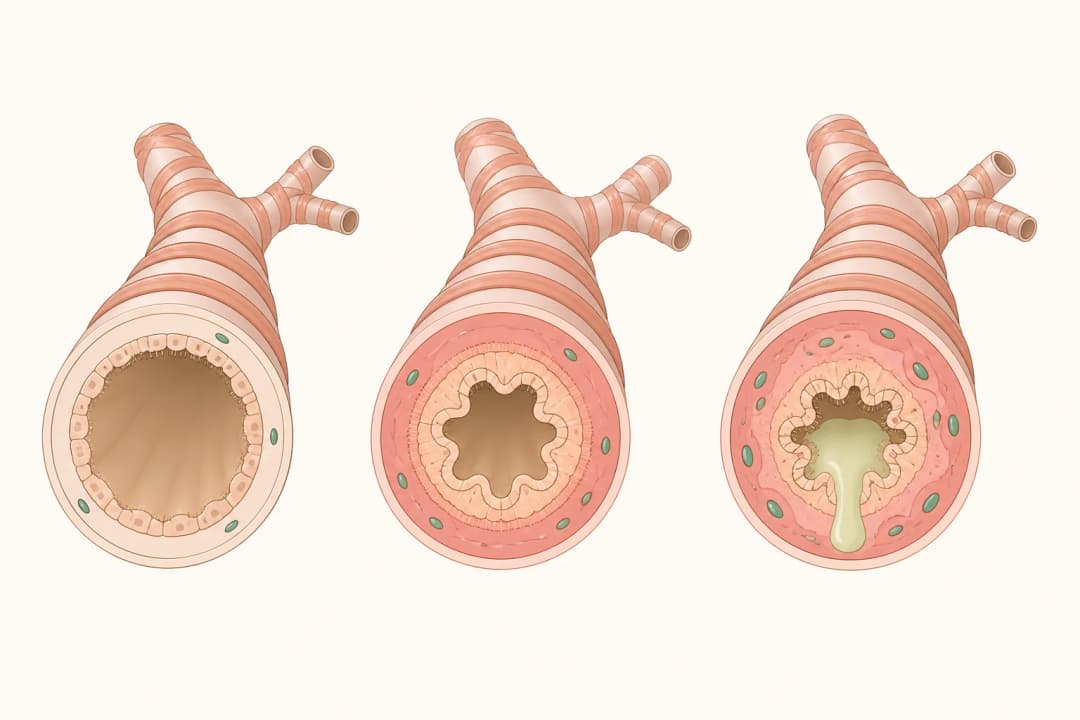
ICS asthma treatment uses an inhaled corticosteroid to reduce airway inflammation and help prevent asthma symptoms and attacks.
This answers one question. It is not a diagnosis and does not replace an assessment by a licensed doctor.
At a glance
- Purpose
- Reduce inflammation and prevent symptoms
- Best use
- Regularly, with the prescribed technique
- Common local issues
- Throat irritation, hoarseness, or oral thrush
What ICS treatment does
Inhaled corticosteroids, often called ICS, act mainly in the airways to calm inflammation. They are controller medicines: they work when used regularly as prescribed and are not usually intended to provide immediate relief during sudden breathlessness. A separate reliever may be included in an asthma plan, depending on the inhaler and your clinician's advice.
The medicine may be delivered through a metered-dose inhaler, dry-powder inhaler, or another device. Incorrect technique can leave medicine in the mouth instead of reaching the lungs. Hoarse voice, throat irritation, or oral thrush can occur; rinsing the mouth after use and using a spacer when advised may reduce local effects.
Using ICS safely
Take the inhaler on the schedule prescribed, even on days when breathing feels well, unless your clinician changes the plan. Ask a pharmacist or nurse to watch your technique and check that the device suits your breathing and coordination. Keep an updated asthma action plan, monitor symptoms such as night waking or activity limitation, and arrange review if control is slipping.
Do not stop a regular controller suddenly without medical advice. Tell your clinician about recurrent mouth soreness, voice change, shakiness, palpitations, other medicines, pregnancy, or frequent need for a reliever. A review can check the diagnosis, inhaler technique, adherence, triggers, and whether the regimen should change.
When to seek care
Use your asthma action plan during worsening symptoms. Seek emergency help for severe breathlessness, blue or grey lips, exhaustion, confusion, collapse, or difficulty speaking in full sentences. Get prompt medical advice when wheezing, cough, or chest tightness is worsening, waking you, limiting activity, or not responding as expected to your reliever.
Questions for your doctor
Which inhaler is my controller and which is my reliever? How should I use and clean my device? Should I use a spacer or rinse after each dose? What is my action plan for worsening symptoms? When should my treatment be reviewed or stepped down?
Find care
General Clinics & Polyclinics in Abu Dhabi
That answer is general. If you want it applied to your own case, these are licensed general clinics & polyclinics listed in Abu Dhabi.
27 Ar Ruwwad St - Shakhbout City - MSH4 - Abu Dhabi - United Arab Emirates
Accepts: Daman, Thiqa, Cigna, MetLife +20 more
Al Ruwais, Al Dhafrah
Accepts: Daman, Thiqa, AXA, Cigna +16 more
Al Bahyah - Al Bahyah Old - Abu Dhabi - United Arab Emirates
Accepts: Daman, Thiqa, Cigna, Allianz Care +18 more
Abu Dhabi
Accepts: Daman, Thiqa, AXA, Cigna +27 more
Ordered by verification status and how complete each clinic's public record is, then alphabetically. This is a directory listing, not a ranking — Zavis does not rate or recommend providers.
A factual listing drawn from the DHA, DOH and MOHAP licence registers. It is not a referral, an endorsement, or advice that any of these providers is right for you.
Questions people ask
Will an ICS inhaler stop an asthma attack immediately?
Usually not. ICS is a controller treatment; follow your personal action plan for sudden symptoms and use the reliever exactly as prescribed.
Should I stop ICS when I feel better?
Do not stop or change a regular controller without medical advice. Feeling better may reflect that the treatment is controlling airway inflammation.
Keep reading
Medical disclaimer. This page is general health information, not medical advice, and it cannot diagnose you. Always consult a licensed healthcare provider about your own symptoms and treatment. In an emergency in the UAE, call 998 for an ambulance.