
Can hepatitis A be transmitted through blood?
Short answer
Hepatitis A is mainly spread through contaminated food, water, hands or close contact, while blood transmission is uncommon but possible in specific exposure settings.
This answers one question. It is not a diagnosis and does not replace an assessment by a licensed doctor.
At a glance
- Main route
- Faecal–oral spread is the usual route.
- Blood exposure
- Uncommon, but discuss a needlestick or shared-needle exposure promptly.
- Affected organ
- The liver
What blood transmission means
People with hepatitis A may have virus in their blood around the early phase of illness. A blood exposure may therefore matter when infected blood enters another person’s bloodstream, such as through a shared needle or a needlestick injury. Transmission through donated blood products is unusual because screening and processing reduce this risk. Casual contact, breathing the same air, hugging, or sharing a room does not spread hepatitis A.
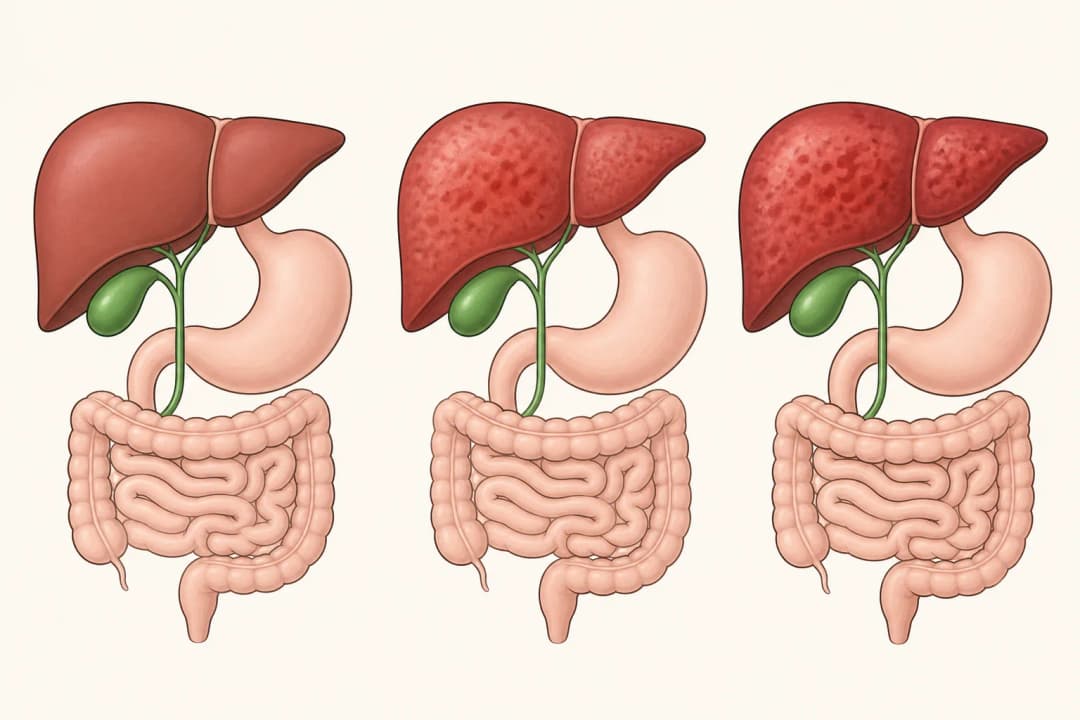
The illness affects the liver. Some people develop nausea, loss of appetite, feeling generally unwell, or dark urine; others have few or no symptoms. These symptoms can have many causes, so a symptom alone does not establish hepatitis A. See the overview of [Hepatitis A](/conditions/hepatitis-a/) for the broader illness.
What to do after a possible exposure
If blood from someone who may have hepatitis A entered a wound, eye, mouth, or injection site, wash exposed skin with soap and water and contact a clinician promptly. Describe when the exposure happened, how it occurred, whether the skin was broken, and whether you have received hepatitis A vaccination. A clinician can decide whether vaccination or other follow-up is appropriate and whether a [Liver Function Test](/treatments/diagnostics-and-screening/liver-function-test/) is useful.
Until you receive advice, do not share needles or personal items that may have blood on them. Handwashing after using the toilet and before preparing food remains a key prevention measure. Ask about [Hepatitis A Vaccination](/treatments/preventive-care-and-vaccination/hepatitis-a-vaccination/) if you may have ongoing exposure risk.
When to seek medical care
Seek prompt medical advice after a blood-to-blood exposure, especially if you are pregnant, have liver disease, or have a weakened immune system. Arrange assessment if you develop nausea, marked tiredness, poor appetite, abdominal discomfort, yellowing of the skin or eyes, or dark urine after a possible exposure. Urgent care is appropriate for confusion, severe vomiting, fainting, or inability to keep fluids down.
Questions for your doctor
Ask: Could this exposure transmit hepatitis A? Do I need vaccination or testing? Which symptoms should I watch for, and should I take precautions around household members or food preparation?
Find care
General Clinics & Polyclinics in Abu Dhabi
That answer is general. If you want it applied to your own case, these are licensed general clinics & polyclinics listed in Abu Dhabi.
27 Ar Ruwwad St - Shakhbout City - MSH4 - Abu Dhabi - United Arab Emirates
Accepts: Daman, Thiqa, Cigna, MetLife +20 more
Al Ruwais, Al Dhafrah
Accepts: Daman, Thiqa, AXA, Cigna +16 more
Al Bahyah - Al Bahyah Old - Abu Dhabi - United Arab Emirates
Accepts: Daman, Thiqa, Cigna, Allianz Care +18 more
Abu Dhabi
Accepts: Daman, Thiqa, AXA, Cigna +27 more
Ordered by verification status and how complete each clinic's public record is, then alphabetically. This is a directory listing, not a ranking — Zavis does not rate or recommend providers.
A factual listing drawn from the DHA, DOH and MOHAP licence registers. It is not a referral, an endorsement, or advice that any of these providers is right for you.
Questions people ask
Can a blood transfusion spread hepatitis A?
This is unusual, but hepatitis A virus can be present in blood early in infection. Discuss any concern with a clinician who can assess the specific exposure.
Does a blood test diagnose hepatitis A?
Blood tests can help a clinician assess liver inflammation and look for evidence of recent hepatitis A infection.
Related
Related reading
Keep reading
Medical disclaimer. This page is general health information, not medical advice, and it cannot diagnose you. Always consult a licensed healthcare provider about your own symptoms and treatment. In an emergency in the UAE, call 998 for an ambulance.