
Can hepatitis A change stool colour?
Short answer
Hepatitis A can cause unusually pale or clay-coloured stools when inflammation affects the flow of bile into the intestine.
This answers one question. It is not a diagnosis and does not replace an assessment by a licensed doctor.
At a glance
- Typical concern
- Pale, grey, or clay-coloured stool
- Related sign
- Dark urine or jaundice
- Assessment
- Clinical review may include a Liver Function Test
Why stool colour may change
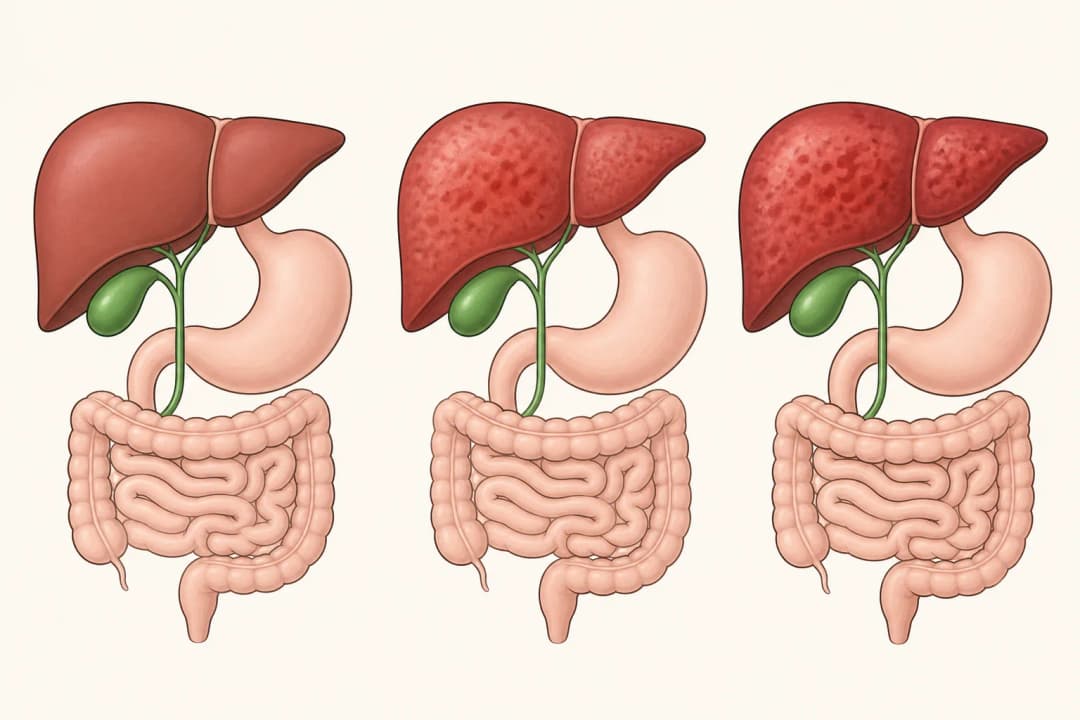
Bile helps give stool its usual brown colour. When hepatitis A affects the liver and bile pathways, less bile may reach the intestine, making stools look pale, grey, or clay coloured. Dark urine and yellowing of the skin or eyes can occur at the same time. Stool colour can also vary with food, medicines, or other digestive problems, so one unusual bowel movement does not establish a diagnosis. Hepatitis A may also cause nausea, loss of appetite, tiredness, or feeling generally unwell.
What to do about a colour change
Note when the change began, how often it occurs, and whether urine, skin, eyes, pain, fever, or appetite have changed. Contact a clinician for persistent pale stools, especially after possible exposure to hepatitis A or alongside dark urine and jaundice. Do not self-treat a suspected liver problem with supplements or unfamiliar medicines. A clinician may review your history, examine you, and arrange a Liver Function Test. Ask about Hepatitis A Vaccination if you have had a relevant exposure.
When to seek urgent help
Seek prompt medical care for pale stools with yellow skin or eyes, dark urine, worsening abdominal pain, repeated vomiting, or inability to keep fluids down. Go to urgent care for confusion, extreme sleepiness, fainting, severe dehydration, or bleeding. These signs can signal a significant liver or digestive problem and should not be judged by stool colour alone.
Questions to bring
Ask whether the colour fits a bile-flow problem, which tests are needed, whether medicines or supplements could be contributing, whether contacts need vaccination, and which changes should trigger urgent review.
Find care
General Clinics & Polyclinics in Abu Dhabi
That answer is general. If you want it applied to your own case, these are licensed general clinics & polyclinics listed in Abu Dhabi.
27 Ar Ruwwad St - Shakhbout City - MSH4 - Abu Dhabi - United Arab Emirates
Accepts: Daman, Thiqa, Cigna, MetLife +20 more
Al Ruwais, Al Dhafrah
Accepts: Daman, Thiqa, AXA, Cigna +16 more
Al Bahyah - Al Bahyah Old - Abu Dhabi - United Arab Emirates
Accepts: Daman, Thiqa, Cigna, Allianz Care +18 more
Abu Dhabi
Accepts: Daman, Thiqa, AXA, Cigna +27 more
Ordered by verification status and how complete each clinic's public record is, then alphabetically. This is a directory listing, not a ranking — Zavis does not rate or recommend providers.
A factual listing drawn from the DHA, DOH and MOHAP licence registers. It is not a referral, an endorsement, or advice that any of these providers is right for you.
Questions people ask
Does pale stool always mean hepatitis A?
No. Food, medicines, gallbladder problems, and other digestive conditions can also change stool colour; persistent change needs clinical assessment.
What stool colour can occur with hepatitis A?
Stools may become unusually pale, grey, or clay coloured when less bile reaches the intestine.
Related
Related reading
Keep reading
Medical disclaimer. This page is general health information, not medical advice, and it cannot diagnose you. Always consult a licensed healthcare provider about your own symptoms and treatment. In an emergency in the UAE, call 998 for an ambulance.