
Does hepatitis A go away?
Short answer
Hepatitis A often goes away as the body clears the infection, although symptoms and tiredness may take time to settle.
This answers one question. It is not a diagnosis and does not replace an assessment by a licensed doctor.
At a glance
- Usual course
- The body clears the infection and symptoms settle gradually
- Helpful habits
- Rest, fluids, small meals, and careful handwashing
- Medical review
- Needed for worsening jaundice, vomiting, confusion, or dehydration
What ‘goes away’ means
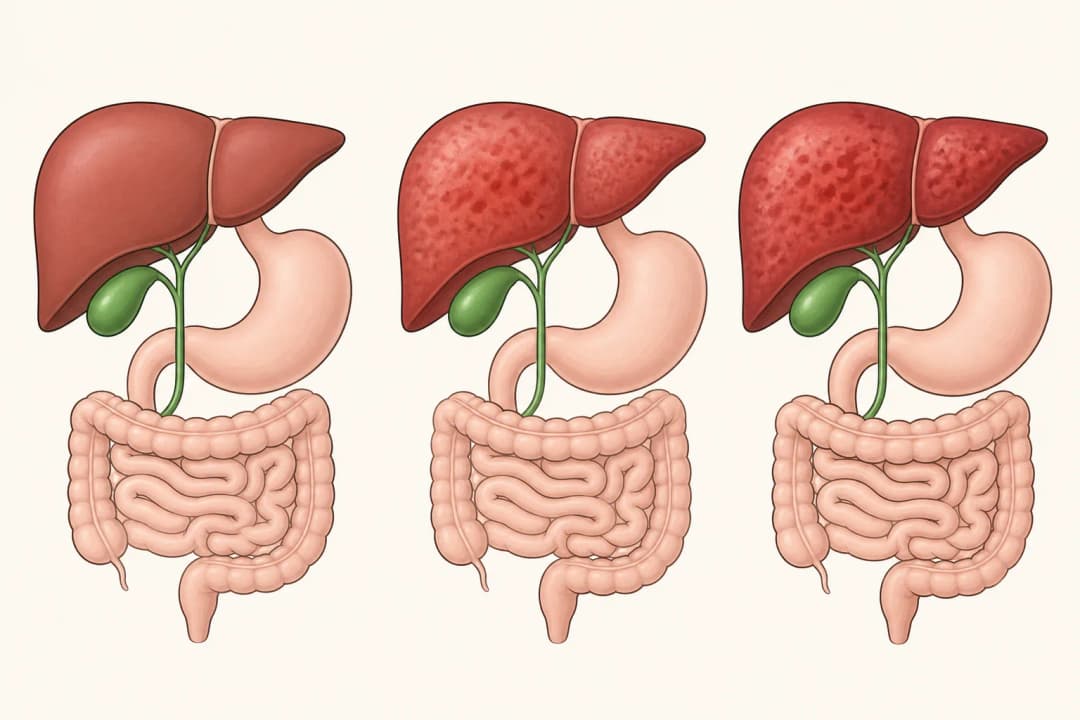
Hepatitis A is generally a short-term liver infection rather than an illness that remains in the body indefinitely. The immune system clears the virus, while inflammation can leave nausea, poor appetite, dark urine, or a general feeling of illness for a while. Improvement is usually gradual rather than sudden.
Symptoms can overlap with other liver conditions, so a diagnosis should not be assumed from urine colour or fatigue alone. A clinician may use blood tests and a liver function test to understand what is happening and whether follow-up is needed.
Care while it settles
Rest, drink enough to pass regular pale urine, and try small nourishing meals if appetite is limited. Avoid alcohol and ask a clinician or pharmacist before taking painkillers, cold remedies, herbal products, or supplements. Keep washing hands with soap and water after the toilet and before handling food.
Do not prepare food for other people while you may be infectious. Tell close contacts about a possible exposure so they can obtain timely advice about testing and hepatitis A vaccination.
Warning signs
Contact a healthcare professional promptly if jaundice worsens, vomiting prevents drinking, abdominal pain is severe, or symptoms are not easing. Go for urgent assessment if confusion, fainting, extreme drowsiness, or severe dehydration develops. Children, older adults, pregnant people, and anyone with existing liver disease may need more individualised advice.
Questions for an appointment
Ask how your diagnosis will be confirmed, which medicines to avoid, when you can return to work or food preparation, whether your liver needs repeat testing, and how contacts can protect themselves.
Find care
General Clinics & Polyclinics in Abu Dhabi
That answer is general. If you want it applied to your own case, these are licensed general clinics & polyclinics listed in Abu Dhabi.
27 Ar Ruwwad St - Shakhbout City - MSH4 - Abu Dhabi - United Arab Emirates
Accepts: Daman, Thiqa, Cigna, MetLife +20 more
Al Ruwais, Al Dhafrah
Accepts: Daman, Thiqa, AXA, Cigna +16 more
Al Bahyah - Al Bahyah Old - Abu Dhabi - United Arab Emirates
Accepts: Daman, Thiqa, Cigna, Allianz Care +18 more
Abu Dhabi
Accepts: Daman, Thiqa, AXA, Cigna +27 more
Ordered by verification status and how complete each clinic's public record is, then alphabetically. This is a directory listing, not a ranking — Zavis does not rate or recommend providers.
A factual listing drawn from the DHA, DOH and MOHAP licence registers. It is not a referral, an endorsement, or advice that any of these providers is right for you.
Questions people ask
Can hepatitis A become a lifelong infection?
Hepatitis A is generally a short-term infection, although recovery symptoms can last after the virus has been cleared.
Can I ignore symptoms if I expect them to go away?
No. Assessment is useful because similar symptoms can have other causes and worsening vomiting, jaundice, or confusion can be serious.
Related
Related reading
Keep reading
Medical disclaimer. This page is general health information, not medical advice, and it cannot diagnose you. Always consult a licensed healthcare provider about your own symptoms and treatment. In an emergency in the UAE, call 998 for an ambulance.