
What should you know about dermatology milia removal?
Short answer
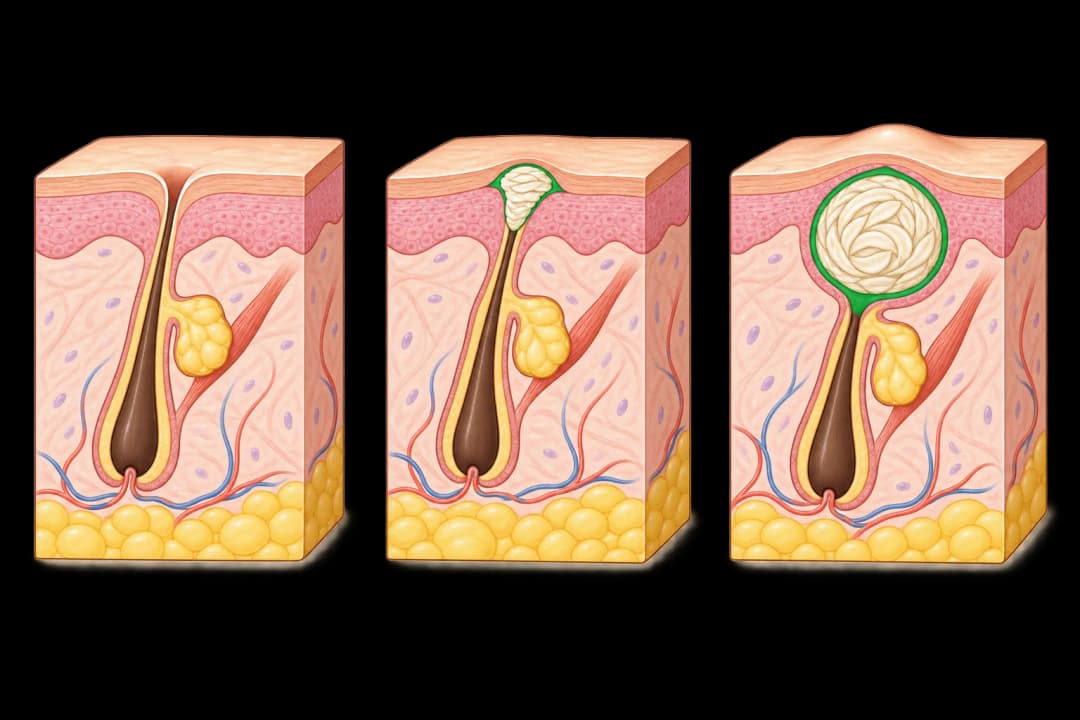
Dermatology milia removal usually involves confirming that the bump is a milium, then opening and lifting out its contents with a sterile technique rather than squeezing it at home.
This answers one question. It is not a diagnosis and does not replace an assessment by a licensed doctor.
At a glance
- Typical appearance
- Small, firm, pearly or white bump
- Common locations
- Around the eyes, cheeks, or nose
- Avoid
- Squeezing or self-piercing
What milia look like
Milia are tiny, firm, pearly or white cysts formed when keratin becomes trapped beneath the skin’s surface. They commonly appear around the eyes, cheeks, or nose and are different from inflamed acne. A clinician should check an unusual, changing, bleeding, or persistent bump because skin bumps and whiteheads can have other causes. The diagnosis is often made by examining the skin; testing is not usually needed for a typical lesion.
Removal may involve a small sterile opening followed by gentle extraction. Curettage and cautery is another clinician-performed option in selected cases. A topical retinoid may be discussed when milia are recurrent or widespread, but it can irritate delicate skin and should be used exactly as prescribed.
Safe next steps
Do not pierce, scrape, or squeeze milia, especially near the eyelids. These actions can cause infection, bleeding, scarring, or prolonged inflammation. Use mild cleanser and non-comedogenic moisturiser, and avoid harsh scrubs. At an appointment, mention sensitive skin, eye-area products, pregnancy or breastfeeding, and any retinoid use. After removal, keep the area clean and follow instructions about ointment, makeup, and sun protection. A new lesion can appear even after an earlier one has been removed.
When to seek care
Arrange a skin assessment if a bump is painful, rapidly enlarging, red, crusted, bleeding, or associated with vision changes. After removal, contact the clinic for increasing pain, spreading redness, pus, fever, or swelling around the eye. Seek urgent care for severe eye pain or a sudden change in vision.
Questions for your doctor
Ask whether the lesion is definitely milia, whether removal is suitable for its location, what aftercare is needed, and whether a topical retinoid could help prevent new lesions. If it is near the eye, ask how the clinician will protect the eyelid and what symptoms require prompt review.
Find care
General Clinics & Polyclinics in Abu Dhabi
That answer is general. If you want it applied to your own case, these are licensed general clinics & polyclinics listed in Abu Dhabi.
27 Ar Ruwwad St - Shakhbout City - MSH4 - Abu Dhabi - United Arab Emirates
Accepts: Daman, Thiqa, Cigna, MetLife +20 more
Al Ruwais, Al Dhafrah
Accepts: Daman, Thiqa, AXA, Cigna +16 more
Al Bahyah - Al Bahyah Old - Abu Dhabi - United Arab Emirates
Accepts: Daman, Thiqa, Cigna, Allianz Care +18 more
Abu Dhabi
Accepts: Daman, Thiqa, AXA, Cigna +27 more
Ordered by verification status and how complete each clinic's public record is, then alphabetically. This is a directory listing, not a ranking — Zavis does not rate or recommend providers.
A factual listing drawn from the DHA, DOH and MOHAP licence registers. It is not a referral, an endorsement, or advice that any of these providers is right for you.
Questions people ask
Will milia go away on their own?
Some milia may clear over time, while persistent lesions can be removed by a clinician using a sterile technique.
Is milia removal the same as treating whiteheads?
No. Milia are keratin-filled cysts beneath the surface, so the correct treatment depends on confirming the diagnosis rather than assuming every white bump is acne.
Related
Related reading
Keep reading
Medical disclaimer. This page is general health information, not medical advice, and it cannot diagnose you. Always consult a licensed healthcare provider about your own symptoms and treatment. In an emergency in the UAE, call 998 for an ambulance.