
What should you know about coughing up fresh blood?
Short answer
Coughing up fresh blood needs medical assessment because it can reflect airway irritation, infection, a blood clot in the lung, or another condition requiring prompt treatment.
This answers one question. It is not a diagnosis and does not replace an assessment by a licensed doctor.
At a glance
- Medical term
- Haemoptysis
- Immediate priority
- Get prompt medical advice; emergency help is needed for breathing trouble or ongoing bleeding.
- Record for assessment
- Colour, approximate amount, frequency, mucus, and accompanying symptoms
What coughing up fresh blood can mean
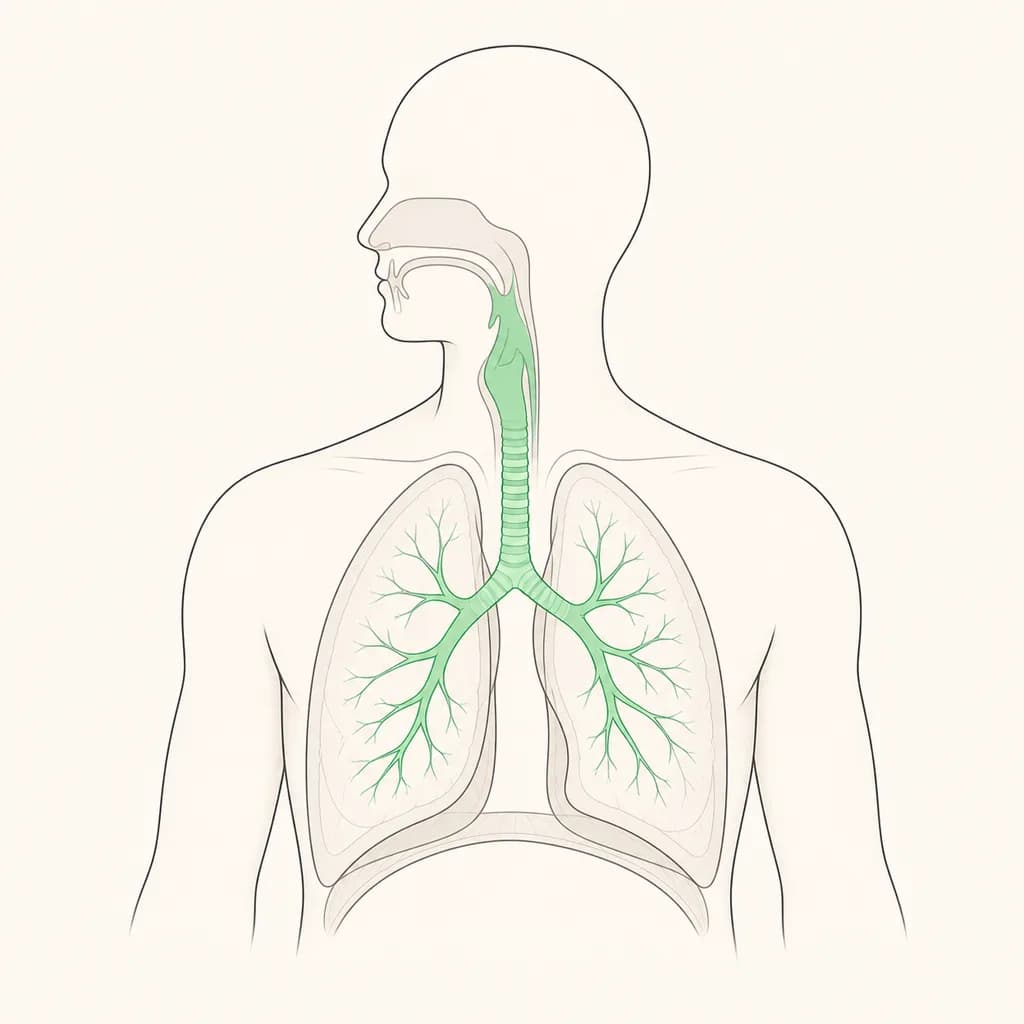
Fresh blood may appear bright red, streaked through mucus, or mixed with phlegm. A forceful or prolonged cough can irritate small blood vessels in the throat or airways. Chest infections such as pneumonia can also cause blood-stained mucus; bronchiectasis may cause repeated episodes because widened airways collect mucus and bleed more easily.
Less common but serious causes include a pulmonary embolism, tuberculosis, or lung cancer. These conditions can present with coughing up blood, but the symptom alone cannot identify the cause. Blood from the nose, mouth, or stomach can sometimes be mistaken for blood coughed up from the lungs.
What to do now
Arrange prompt medical advice even if the amount seems small, particularly when the episode is new or recurring. Note the colour and approximate amount, whether it was mixed with mucus, how often it happened, and any medicines that affect clotting. Do not drive yourself if you feel faint or short of breath. Keep any prescribed medicines available for the clinician, but do not stop a blood thinner unless a healthcare professional tells you to.
A clinician may examine your nose, throat, and chest and ask about infection symptoms, smoking, recent travel, injury, and previous lung problems. Further tests may be chosen according to those findings.
When to seek urgent care
Call emergency services now if the bleeding is more than a few streaks, is continuing, or comes with difficulty breathing, chest or upper-back pain, a fast heartbeat, faintness, confusion, blue or grey lips, or marked weakness. These signs can indicate significant bleeding or a serious problem affecting the lungs.
Seek same-day medical care for a first episode, repeated blood-stained phlegm, fever, worsening cough, night sweats, unexplained weight loss, or new breathlessness. Children, older adults, pregnant people, and anyone taking anticoagulants should seek advice promptly because their assessment may need to be prioritised.
Questions for your doctor
You could ask: Where might the blood be coming from? Do my symptoms suggest an infection, clot, or another lung condition? Which warning signs mean I should return urgently? Should I change any medicine that affects clotting? What follow-up or tests will help explain a recurring episode?
Find care
General Clinics & Polyclinics in Abu Dhabi
That answer is general. If you want it applied to your own case, these are licensed general clinics & polyclinics listed in Abu Dhabi.
27 Ar Ruwwad St - Shakhbout City - MSH4 - Abu Dhabi - United Arab Emirates
Accepts: Daman, Thiqa, Cigna, MetLife +20 more
Al Ruwais, Al Dhafrah
Accepts: Daman, Thiqa, AXA, Cigna +16 more
Al Bahyah - Al Bahyah Old - Abu Dhabi - United Arab Emirates
Accepts: Daman, Thiqa, Cigna, Allianz Care +18 more
Abu Dhabi
Accepts: Daman, Thiqa, AXA, Cigna +27 more
Ordered by verification status and how complete each clinic's public record is, then alphabetically. This is a directory listing, not a ranking — Zavis does not rate or recommend providers.
A factual listing drawn from the DHA, DOH and MOHAP licence registers. It is not a referral, an endorsement, or advice that any of these providers is right for you.
Questions people ask
Is a small streak of blood in phlegm always an emergency?
Not always, but a new episode still needs prompt medical advice. Emergency help is needed if bleeding continues or breathing difficulty, chest pain, faintness, confusion, or marked weakness occurs.
Can a chest infection cause coughing up fresh blood?
Yes. Pneumonia and other airway infections can irritate the lining of the airways and produce blood-stained mucus, but an examination may be needed to distinguish this from other causes.
Should you stop a blood thinner after coughing up blood?
Do not stop it on your own. Tell the treating clinician exactly what you take so they can balance bleeding concerns with the reason the medicine was prescribed.
Related
Related reading
Keep reading
Medical disclaimer. This page is general health information, not medical advice, and it cannot diagnose you. Always consult a licensed healthcare provider about your own symptoms and treatment. In an emergency in the UAE, call 998 for an ambulance.