
Coughing up blood after a nosebleed
Short answer
Coughing up blood after a nosebleed may reflect blood draining into the throat, but persistent bleeding or breathing symptoms require prompt medical care.
This answers one question. It is not a diagnosis and does not replace an assessment by a licensed doctor.
At a glance
- Likely alternative source
- Blood draining from the nose into the throat
- Get emergency help for
- Breathing difficulty, chest pain, faintness, or uncontrolled bleeding
How a nosebleed can look this way
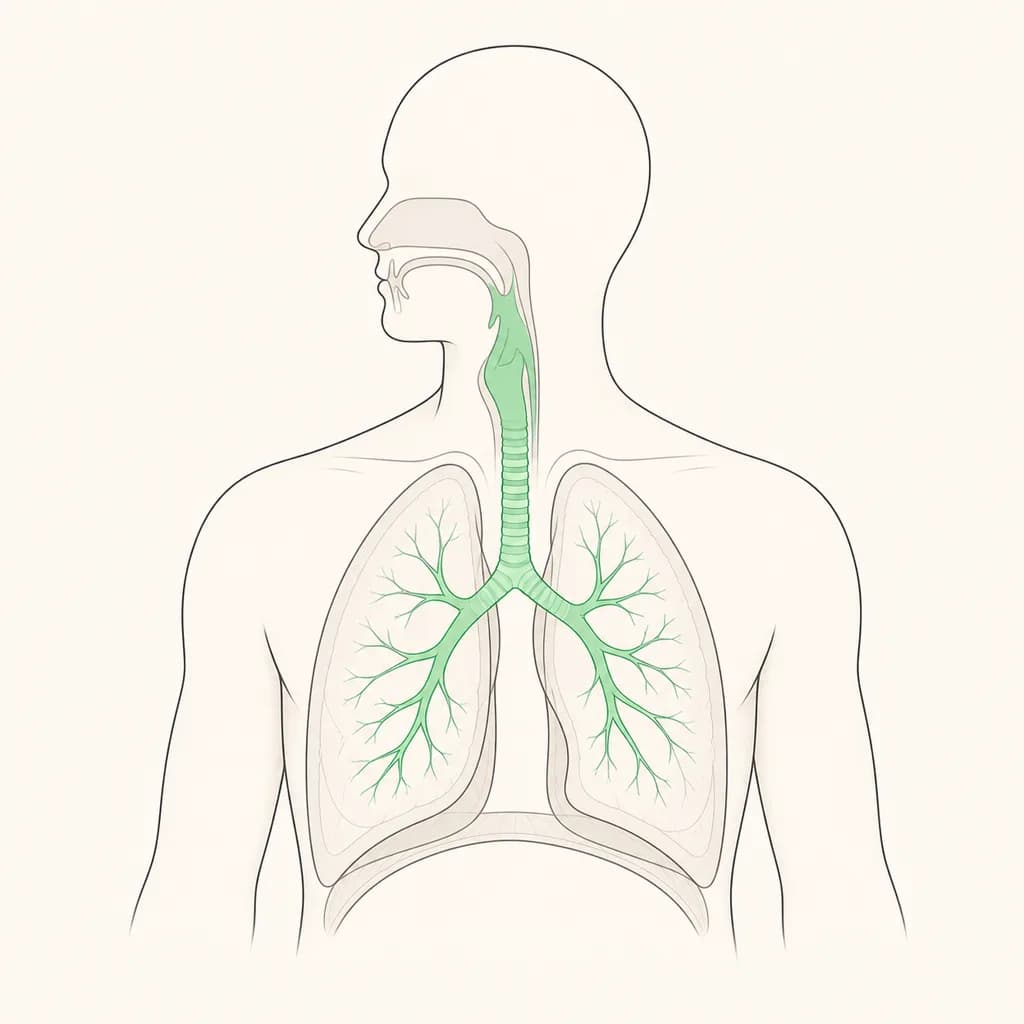
Blood from the nose can run backwards into the throat, especially when lying down, and later appear in saliva or mucus. A dry or irritated nose, rubbing, forceful blowing, or some medicines can make this more likely. Blood that comes up with a deep cough, is frothy, or continues after the nose has stopped may be from the airways instead. Chest infection, bronchiectasis, pneumonia, pulmonary embolism, tuberculosis, and lung cancer are among the problems a clinician may consider; coughing up blood does not by itself establish any of them.
What to do
Sit upright, lean slightly forward, and pinch the soft part of the nose continuously while breathing through your mouth. Spit out blood rather than swallowing it. Once bleeding settles, avoid nose blowing, picking, hot drinks, smoking, and strenuous activity for a while. Arrange medical advice if the source is uncertain, the blood returns, or you use a blood thinner. Keep track of whether blood follows a cough or comes from the nose.
When to seek urgent care
Seek emergency help for bleeding that is heavy or does not settle, trouble breathing, chest pain, faintness, confusion, or weakness. Same-day assessment is appropriate for repeated blood-stained mucus, fever, worsening cough, or feeling very unwell. Do not lie flat if blood is flowing into your throat or you are short of breath.
Questions to ask
Ask whether the blood is most consistent with a nosebleed or haemoptysis, whether your nose needs treatment, and whether medicines or tests could explain recurrent bleeding.
Find care
General Clinics & Polyclinics in Abu Dhabi
That answer is general. If you want it applied to your own case, these are licensed general clinics & polyclinics listed in Abu Dhabi.
27 Ar Ruwwad St - Shakhbout City - MSH4 - Abu Dhabi - United Arab Emirates
Accepts: Daman, Thiqa, Cigna, MetLife +20 more
Al Ruwais, Al Dhafrah
Accepts: Daman, Thiqa, AXA, Cigna +16 more
Al Bahyah - Al Bahyah Old - Abu Dhabi - United Arab Emirates
Accepts: Daman, Thiqa, Cigna, Allianz Care +18 more
Abu Dhabi
Accepts: Daman, Thiqa, AXA, Cigna +27 more
Ordered by verification status and how complete each clinic's public record is, then alphabetically. This is a directory listing, not a ranking — Zavis does not rate or recommend providers.
A factual listing drawn from the DHA, DOH and MOHAP licence registers. It is not a referral, an endorsement, or advice that any of these providers is right for you.
Questions people ask
Can a nosebleed make me cough up blood?
Yes. Blood can drain backwards into the throat and later be cleared by coughing or spitting.
When is blood after a nosebleed more concerning?
It is more concerning when it continues after the nose has stopped, recurs, or comes with breathlessness, chest pain, or faintness.
Related
Related reading
Keep reading
Medical disclaimer. This page is general health information, not medical advice, and it cannot diagnose you. Always consult a licensed healthcare provider about your own symptoms and treatment. In an emergency in the UAE, call 998 for an ambulance.