
Asthma RCH: understanding hospital asthma guidance
Short answer
An RCH asthma resource generally offers practical guidance on recognising symptoms, using prescribed medicines correctly, following an action plan, and responding to an asthma flare.
This answers one question. It is not a diagnosis and does not replace an assessment by a licensed doctor.
At a glance
- Key document
- A personalised written asthma action plan
- Technique check
- Demonstrate the inhaler and spacer at a clinical review
- Important distinction
- RCH guidance does not describe a separate asthma subtype
What RCH asthma guidance means
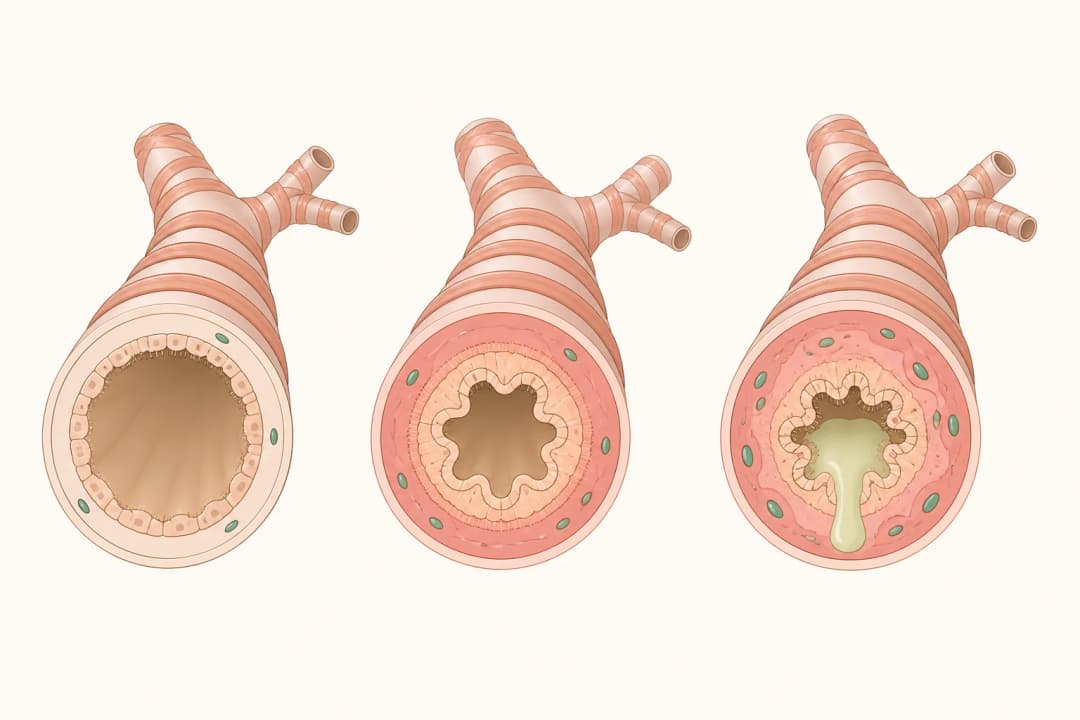
RCH may refer to a hospital or health service that publishes asthma information, often with a focus on children and families. It is not a separate type of asthma. Asthma involves sensitive, inflamed airways that can narrow and produce symptoms such as wheezing, cough, chest tightness or difficulty breathing.
A hospital handout can support, but does not replace, an individual assessment. Medicine names, doses and action-plan zones must match the prescription for the person using them. A child should not use another family member's inhaler or follow instructions written for someone else.
How to use the guidance safely
Keep the current written asthma action plan where caregivers can find it. Check that the reliever inhaler is available, that the device is not empty or expired, and that the spacer fits correctly if one was prescribed. Review inhaler technique with a clinician or pharmacist because poor coordination can prevent medicine from reaching the lungs.
Record night waking, activity limitation, reliever use and likely triggers such as smoke, dust, viral illness or allergens. Arrange a routine review if symptoms are recurring, the plan is unclear or the reliever is needed more often than expected.
When breathing trouble needs urgent care
Seek emergency help if the person is struggling to breathe, cannot speak comfortably, looks blue or grey around the lips, becomes unusually sleepy or confused, has marked pulling-in of the chest, or is getting worse despite following the emergency steps in their action plan. Do not delay emergency care while searching for online instructions.
Questions for your clinician
Ask which symptoms define the green, yellow and red zones of the personal action plan; whether a spacer is needed; how to recognise an empty inhaler; and who should receive a copy of the plan at school, nursery or home.
Find care
General Clinics & Polyclinics in Abu Dhabi
That answer is general. If you want it applied to your own case, these are licensed general clinics & polyclinics listed in Abu Dhabi.
27 Ar Ruwwad St - Shakhbout City - MSH4 - Abu Dhabi - United Arab Emirates
Accepts: Daman, Thiqa, Cigna, MetLife +20 more
Al Ruwais, Al Dhafrah
Accepts: Daman, Thiqa, AXA, Cigna +16 more
Al Bahyah - Al Bahyah Old - Abu Dhabi - United Arab Emirates
Accepts: Daman, Thiqa, Cigna, Allianz Care +18 more
Abu Dhabi
Accepts: Daman, Thiqa, AXA, Cigna +27 more
Ordered by verification status and how complete each clinic's public record is, then alphabetically. This is a directory listing, not a ranking — Zavis does not rate or recommend providers.
A factual listing drawn from the DHA, DOH and MOHAP licence registers. It is not a referral, an endorsement, or advice that any of these providers is right for you.
Questions people ask
Is RCH asthma a diagnosis?
No. RCH commonly identifies the organisation providing the information; the diagnosis remains asthma and should be assessed on the person's symptoms and clinical findings.
Can a general handout replace an asthma action plan?
No. General guidance explains principles, while an action plan records the person's prescribed medicines and the steps to take as symptoms change.
Should the action plan go to school or nursery?
Care settings should have access to the current plan and know where the prescribed reliever and spacer are kept. Confirm local arrangements with the clinician and care setting.
Keep reading
Medical disclaimer. This page is general health information, not medical advice, and it cannot diagnose you. Always consult a licensed healthcare provider about your own symptoms and treatment. In an emergency in the UAE, call 998 for an ambulance.