
What should you know about arti pneumonia?
Short answer
Pneumonia is an infection that inflames the lungs and can make breathing and oxygen transfer more difficult.
This answers one question. It is not a diagnosis and does not replace an assessment by a licensed doctor.
At a glance
- Affected area
- The small air spaces and surrounding tissue in the lungs
- Assessment focus
- Breathing effort, oxygen level, hydration, and alertness
- Treatment principle
- Care is matched to the likely cause and severity
The short answer
Common presentations include cough, fever, chills, chest discomfort, breathlessness, tiredness, and sometimes phlegm. Symptoms range from manageable to severe, so breathing effort, alertness, hydration, and overall vulnerability matter when deciding how quickly care is needed.
What happens in pneumonia
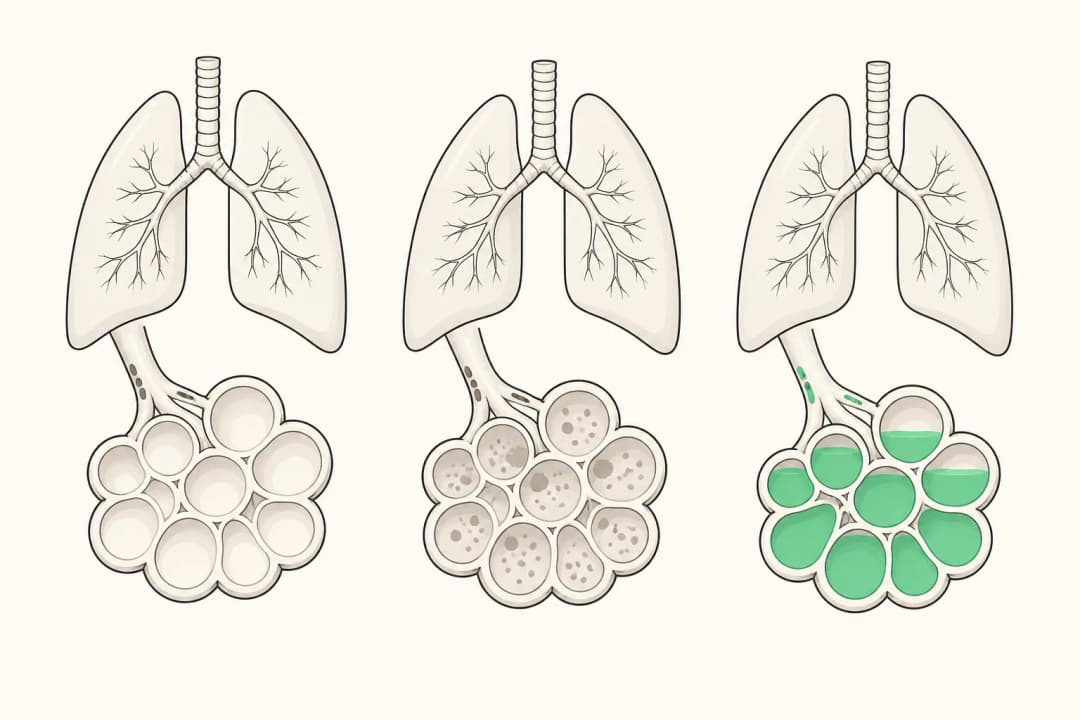
Viruses or bacteria can infect the small air spaces in the lungs, where inflammation and fluid interfere with normal gas exchange. Influenza and COVID-19 can present with pneumonia. A cough is a common presentation, but cough alone does not identify the cause.
A clinician may listen to the chest, measure temperature and oxygen level, and assess breathing rate and effort. Depending on the presentation, further evaluation may include a chest image or samples of blood, sputum, or respiratory secretions.
Treatment and recovery
Treatment depends on the likely cause and severity. Antibiotics treat bacterial infection but do not treat viruses; if prescribed, take them exactly as directed. Rest, fluids, and appropriate fever or pain relief can support recovery, while more severe illness may require oxygen, fluids, or hospital monitoring.
Follow the review plan and watch the overall trend rather than expecting every symptom to disappear together. Cough and fatigue can linger after other features improve. Avoid smoking and seek reassessment if breathing, fever, alertness, intake, or strength worsens.
When pneumonia needs urgent care
Call emergency services for severe breathing difficulty, blue or grey lips, collapse, new confusion, extreme drowsiness, or chest pain that is severe or persistent. These signs reflect impaired breathing or circulation and should not wait for a routine appointment.
Prompt assessment is also sensible when a person cannot drink, passes very little urine, coughs blood, deteriorates quickly, or has reduced immunity or serious heart or lung disease. Babies, older adults, and frail people may show poor feeding, weakness, or confusion rather than a prominent fever.
Questions for your doctor
Ask what findings support pneumonia, whether the likely cause changes treatment, and when improvement should become noticeable. Confirm how to use prescribed medicines, what follow-up is needed, and which changes in breathing or alertness require immediate help.
Find care
General Clinics & Polyclinics in Abu Dhabi
That answer is general. If you want it applied to your own case, these are licensed general clinics & polyclinics listed in Abu Dhabi.
27 Ar Ruwwad St - Shakhbout City - MSH4 - Abu Dhabi - United Arab Emirates
Accepts: Daman, Thiqa, Cigna, MetLife +20 more
Al Ruwais, Al Dhafrah
Accepts: Daman, Thiqa, AXA, Cigna +16 more
Al Bahyah - Al Bahyah Old - Abu Dhabi - United Arab Emirates
Accepts: Daman, Thiqa, Cigna, Allianz Care +18 more
Abu Dhabi
Accepts: Daman, Thiqa, AXA, Cigna +27 more
Ordered by verification status and how complete each clinic's public record is, then alphabetically. This is a directory listing, not a ranking — Zavis does not rate or recommend providers.
A factual listing drawn from the DHA, DOH and MOHAP licence registers. It is not a referral, an endorsement, or advice that any of these providers is right for you.
Questions people ask
Does pneumonia always cause fever?
No. Pneumonia can present without an obvious fever, particularly in older or frail people. New confusion, weakness, poor intake, cough, or breathlessness can still need assessment.
Do antibiotics treat every pneumonia?
Antibiotics are used for bacterial pneumonia, not viral infection. A clinician chooses treatment from the clinical picture and may adjust it if further information becomes available.
Is coughing up phlegm expected?
Pneumonia often presents with cough and may produce phlegm, but phlegm colour alone cannot confirm whether infection is bacterial or determine the right treatment.
Related
Related reading
Medical disclaimer. This page is general health information, not medical advice, and it cannot diagnose you. Always consult a licensed healthcare provider about your own symptoms and treatment. In an emergency in the UAE, call 998 for an ambulance.