
A little blood in coughed-up mucus: what it may mean
Short answer
Even a small streak of blood in mucus coughed from the chest deserves prompt medical assessment, especially if it returns.
This answers one question. It is not a diagnosis and does not replace an assessment by a licensed doctor.
At a glance
- Medical term
- Coughing up blood is called haemoptysis.
- Next step
- Arrange prompt clinical assessment, even for a small amount.
- Emergency signs
- Increasing blood, breathing difficulty, severe chest pain, faintness, or confusion.
The short answer
A forceful cough can irritate a small airway, but infections and other lung or blood-vessel problems can also cause bleeding. The amount alone cannot identify the cause.
Where the blood may come from
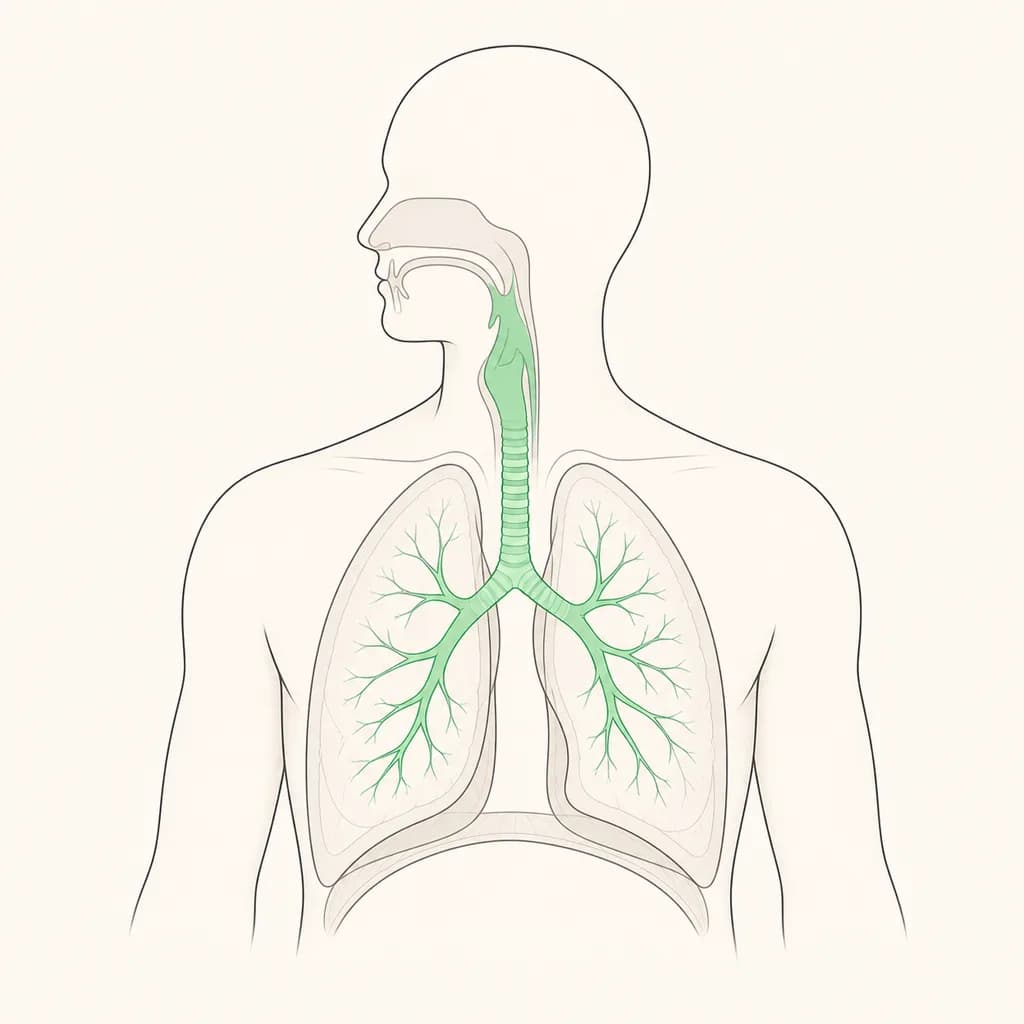
True coughing up blood means blood has come from the airways or lungs. It may appear as bright-red streaks, spots mixed with phlegm, or blood-tinged froth. Blood draining from a nosebleed or bleeding gums can look similar, while vomited blood comes from the digestive tract.
Pneumonia and tuberculosis can present with coughing up blood alongside symptoms such as fever or ongoing cough. Bronchiectasis can present with repeated chest infections, daily phlegm, and episodes of bleeding. Lung cancer can also present with coughing up blood, particularly when a cough persists or changes. A pulmonary embolism may present with sudden breathlessness, sharp chest pain, and blood-streaked sputum. These possibilities require clinical assessment rather than self-diagnosis.
What to do now
Arrange a prompt medical review even if the bleeding stops. Note whether the blood was streaked through mucus or separate, how often it happened, and whether you had fever, chest pain, breathlessness, weight loss, a recent nosebleed, or a new cough.
Avoid smoking and strenuous exertion while waiting for assessment. Do not stop prescribed blood-thinning medicine on your own; tell the clinician the medicine name and when you last took it. If possible, a photograph of the sputum can help describe what you saw without keeping a sample.
When it is an emergency
Seek emergency help now if bleeding is more than a few streaks, is increasing, or occurs with trouble breathing, severe or sudden chest pain, faintness, confusion, a racing heartbeat, or blue-grey lips. Do not drive yourself if you feel breathless, faint, or very unwell.
Urgent same-day assessment is appropriate when blood reappears, the cough is worsening, fever continues, or you take medicine that affects clotting. A clinician may examine your mouth and chest and decide whether imaging, sputum testing, or blood tests are needed.
Useful questions at your visit
Ask whether the bleeding appears to come from the nose, throat, airways, or lungs; which tests fit your other symptoms; what changes should trigger emergency care; and whether any current medicine could make bleeding more noticeable.
Find care
General Clinics & Polyclinics in Abu Dhabi
That answer is general. If you want it applied to your own case, these are licensed general clinics & polyclinics listed in Abu Dhabi.
27 Ar Ruwwad St - Shakhbout City - MSH4 - Abu Dhabi - United Arab Emirates
Accepts: Daman, Thiqa, Cigna, MetLife +20 more
Al Ruwais, Al Dhafrah
Accepts: Daman, Thiqa, AXA, Cigna +16 more
Al Bahyah - Al Bahyah Old - Abu Dhabi - United Arab Emirates
Accepts: Daman, Thiqa, Cigna, Allianz Care +18 more
Abu Dhabi
Accepts: Daman, Thiqa, AXA, Cigna +27 more
Ordered by verification status and how complete each clinic's public record is, then alphabetically. This is a directory listing, not a ranking — Zavis does not rate or recommend providers.
A factual listing drawn from the DHA, DOH and MOHAP licence registers. It is not a referral, an endorsement, or advice that any of these providers is right for you.
Questions people ask
Can hard coughing cause a small blood streak?
Yes. Forceful coughing can irritate a small airway and leave a streak, but a clinician should assess the episode because appearance alone cannot confirm the source.
Should I save the mucus for my appointment?
A clear photograph and notes about its colour, amount, and timing are usually more practical. Follow any specific sample instructions given by your clinic.
Could the blood have come from my nose?
Yes. Blood from the nose or gums may mix with saliva or mucus. Mention nasal bleeding, gum problems, or a metallic taste during assessment.
Related
Related reading
Keep reading
Medical disclaimer. This page is general health information, not medical advice, and it cannot diagnose you. Always consult a licensed healthcare provider about your own symptoms and treatment. In an emergency in the UAE, call 998 for an ambulance.