
Diabetes Medication Management
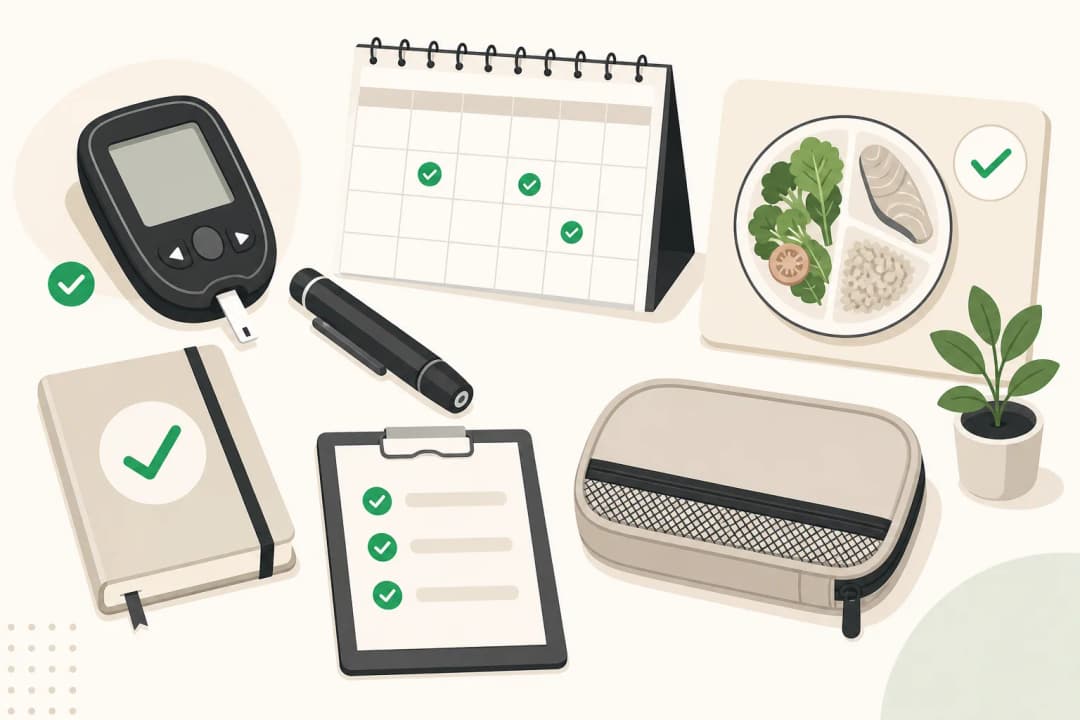
At a glance
- Purpose
- Aligns medicines with monitoring and daily routine
- Bring to review
- All medicines and glucose information
- Safety
- Do not adjust doses without clinical guidance
Find care
General Clinics & Polyclinics in Abu Dhabi
Licensed general clinics & polyclinics listed in Abu Dhabi. Appearing here means a provider holds a UAE licence in this category — not that it offers diabetes medication management, which is worth confirming with the clinic before you book.
27 Ar Ruwwad St - Shakhbout City - MSH4 - Abu Dhabi - United Arab Emirates
Accepts: Daman, Thiqa, Cigna, MetLife +20 more
Al Ruwais, Al Dhafrah
Accepts: Daman, Thiqa, AXA, Cigna +16 more
Al Bahyah - Al Bahyah Old - Abu Dhabi - United Arab Emirates
Accepts: Daman, Thiqa, Cigna, Allianz Care +18 more
Abu Dhabi
Accepts: Daman, Thiqa, AXA, Cigna +27 more
The New EMI State Tower - 3rd Floor 303 Kan’ad Street - Hamdan Bin Mohammed St - Al Danah - Zone 1 - Abu Dhabi - United Arab Emirates
Accepts: Daman, Thiqa, Cigna, MetLife +22 more
Taj Resorts RV-1, Al Nasser Properties - Mafraq-2 - Mafraq Industrial Area - Abu Dhabi - United Arab Emirates
Accepts: Daman, Thiqa, AXA, Cigna +14 more
Ordered by verification status and how complete each clinic's public record is, then alphabetically. This is a directory listing, not a ranking — Zavis does not rate or recommend providers.
A factual listing drawn from the DHA, DOH and MOHAP licence registers. It is not a referral, an endorsement, or advice that any of these providers is right for you.
What medication management means
Diabetes medication management matches your prescribed treatment and monitoring plan to your changing daily needs.
A clinician reviews your current medicines, glucose information, meals, activity, other health conditions and any unwanted effects. The plan may include tablets, injectable non-insulin medicines, insulin, or a combination. The purpose is not simply to lower a reading; it is to find a plan you understand and can use safely across ordinary days, illness and changes in routine.
How fast will I feel a difference?
The timing varies with the medicine, starting glucose pattern, meals and activity. Some changes influence readings soon after they are started, while other benefits become clearer across repeated checks and clinical review. Symptoms such as Excessive Thirst, Frequent Urination or Fatigue can occur when glucose is high, but they also have other causes. Contact your care team if symptoms are worsening or you feel unwell rather than changing doses on your own.
What are the side effects?
Side effects depend on the medicine. Some treatments can cause stomach upset, while insulin and certain tablets can lower glucose too far. Learn your own low-glucose plan, including what to carry and when to get help. Report vomiting, inability to keep fluids down, repeated low readings, a new rash, severe abdominal pain or any symptom that concerns you to a clinician promptly.
How long will I be on it?
Medication is often part of ongoing care for Type 1 Diabetes or Type 2 Diabetes, but the exact treatment can change over time. Reviews may be needed after diagnosis, a major change in activity or eating pattern, pregnancy planning, illness, hospital care or troublesome side effects. Never stop insulin or another prescribed diabetes medicine abruptly unless a clinician has given you an individual instruction to do so.
What a review looks at
Bring every prescribed medicine, over-the-counter product and supplement to the conversation. Clear information about missed doses and side effects helps the clinician make safer decisions.
Who needs medication review
Anyone using diabetes medicine benefits from regular review, especially after starting a new treatment or if readings are repeatedly outside the individual target agreed with their clinician. A review is also useful when injections are difficult, supplies are running low, doses are often missed, or a new medicine for another condition has been added.
Steps in a medication review
Record the medicines you take and how you actually take them. Bring glucose records from a meter or Continuous Glucose Monitor if available, together with notes about low readings, illness, eating and activity. The clinician reviews safety, agrees any change, explains what to monitor and gives a plan for when you need earlier contact.
After an adjustment
There is no recovery period from a routine review, but you may need closer monitoring while you learn a new dose or device. Use the written instructions rather than relying on memory. Ask the team when to call, how to handle a missed dose and what to do on sick days.
Medication safety
Taking more or less than prescribed can lead to harmful high or low glucose. Do not share diabetes medicines, use someone else's dose plan or make an unplanned substitution when supplies change. Keep medicines stored as directed and check injection devices or tablets before use.
Care alongside medicines
Food choices, activity, sleep and education support medication management but are not substitutes for prescribed treatment. Diabetes Screening is appropriate for finding possible diabetes in people without a diagnosis; it is different from monitoring an established treatment plan.
Finding ongoing support
Choose a service that can review prescriptions, teach device technique and provide a clear contact route for dose questions. Pharmacists can help with practical medicine use, while the prescribing team should oversee changes to the treatment plan.
Questions people ask
What if I miss a dose?
Follow the medicine-specific instructions you were given or contact a pharmacist or prescribing team. Do not double a dose unless they have told you to do so.
Can I use a glucose monitor to change my dose?
A monitor can show useful patterns, but dose changes should follow the plan agreed with your clinician. Bring the information to review.
Who should I contact about side effects?
Contact the prescribing clinician or pharmacist. Seek urgent medical help for severe symptoms or when you cannot safely follow your low-glucose or sick-day plan.
Related
Related reading
Keep reading
Medical disclaimer. This page is general health information, not medical advice, and it cannot diagnose you. Always consult a licensed healthcare provider about your own symptoms and treatment. In an emergency in the UAE, call 998 for an ambulance.