
Mumps: symptoms, spread and care
At a glance
- Cause
- Mumps virus
- Typical area affected
- Salivary glands near the jaw
- Prevention
- MMR vaccination
Understanding mumps
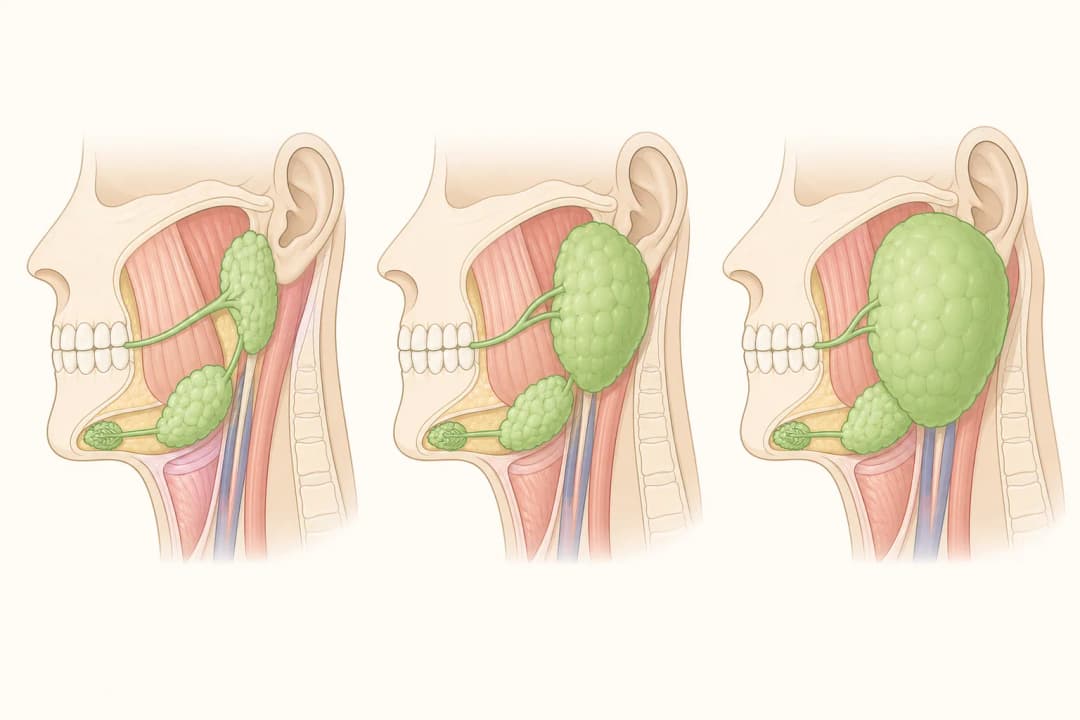
Mumps is a contagious viral infection that commonly causes painful swelling of the salivary glands near the jaw.
The glands can swell on one or both sides of the face, making chewing or swallowing uncomfortable. Mumps can affect children and adults. Vaccination has reduced spread, but infection can still occur, so new facial swelling should be clinically assessed.
Symptoms to recognise
Fever and swollen glands are common presentations of mumps. Tiredness, headache, muscle aches, reduced appetite, and discomfort opening the mouth can accompany the swelling. General symptoms can begin before the glands become noticeably enlarged.
Testicular pain or swelling can occur with mumps and needs prompt medical advice. Seek urgent assessment for severe headache, a stiff neck, confusion, persistent vomiting, marked drowsiness, breathing difficulty, or signs of dehydration.
Cause and spread
Mumps is caused by a virus. It spreads through respiratory droplets and saliva during close contact, coughing, sneezing, or sharing items that carry saliva. A person can pass the virus before the characteristic gland swelling is obvious.
If mumps is suspected, follow clinical advice about staying away from school, work, and close-contact settings. This reduces exposure while the illness is being assessed.
How illness may progress
The illness often starts with general symptoms, followed by swelling around the jaw. Swelling and discomfort then settle as the body clears the infection. Recovery differs between people, and symptoms that worsen, return, or fail to improve should be reassessed.
Factors that increase exposure
Close contact with an infected person and time in shared indoor settings can increase exposure to the virus. People without a recommended MMR vaccination course may have less protection. Vaccination records help a clinician advise after a possible exposure.
Assessment and diagnosis
A clinician asks about facial swelling, fever, close contacts, vaccination history, and other symptoms. They examine the salivary glands and consider other causes of swelling. A sample may be arranged when confirmation would change infection-control advice or clinical care.
Treatment and comfort
There is no routine antiviral medicine that clears mumps directly. Care focuses on rest, fluids, and symptom relief suitable for the person’s age, health conditions, and other medicines. A clinician or pharmacist can advise on options for fever and pain.
Soft foods may be easier when chewing hurts. Avoid acidic foods or drinks if they worsen salivary-gland discomfort. Do not give aspirin to a child unless a clinician has specifically directed it.
Managing at home
Rest, take small regular drinks, and monitor whether fever and swelling are easing. A cool or warm compress may feel soothing, depending on personal comfort. Keep drinking utensils separate and avoid sharing saliva-contaminated items while following isolation advice.
Possible complications
Most people recover without lasting problems, but mumps can sometimes involve areas beyond the salivary glands. Testicular pain or swelling, severe abdominal pain, severe headache, neck stiffness, or new hearing changes should be assessed promptly.
Preventing infection
MMR vaccination is the main preventive measure for mumps. Check vaccination records with a clinician if you are unsure whether you or your child has received recommended doses. During suspected infection, follow advice on reducing close contact and cleaning shared items.
Where to get help
A GP can assess swollen glands, advise on symptom relief, and explain precautions for contacts. Seek urgent care for red-flag symptoms or rapid deterioration.
Questions people ask
Is mumps contagious?
Yes. The virus can spread through saliva and respiratory droplets during close contact. Follow clinical advice about limiting contact when mumps is suspected.
What should I do about testicular pain with mumps?
Contact a clinician promptly. Testicular pain or swelling needs assessment because it can be a complication of mumps or have another cause.
Related
Related reading
Keep reading
Find care
General Clinics & Polyclinics in Abu Dhabi
Where mumps: symptoms, spread and care is assessed depends on what is causing it. These are licensed general clinics & polyclinics listed in Abu Dhabi.
27 Ar Ruwwad St - Shakhbout City - MSH4 - Abu Dhabi - United Arab Emirates
Accepts: Daman, Thiqa, Cigna, MetLife +20 more
Al Ruwais, Al Dhafrah
Accepts: Daman, Thiqa, AXA, Cigna +16 more
Al Bahyah - Al Bahyah Old - Abu Dhabi - United Arab Emirates
Accepts: Daman, Thiqa, Cigna, Allianz Care +18 more
Abu Dhabi
Accepts: Daman, Thiqa, AXA, Cigna +27 more
Ordered by verification status and how complete each clinic's public record is, then alphabetically. This is a directory listing, not a ranking — Zavis does not rate or recommend providers.
A factual listing drawn from the DHA, DOH and MOHAP licence registers. It is not a referral, an endorsement, or advice that any of these providers is right for you.
Medical disclaimer. This page is general health information, not medical advice, and it cannot diagnose you. Always consult a licensed healthcare provider about your own symptoms and treatment. In an emergency in the UAE, call 998 for an ambulance.