
Why does polycystic ovary syndrome cause irregular periods?
Short answer
Polycystic ovary syndrome can cause irregular periods because hormone changes may prevent regular ovulation, so the uterine lining is not shed on a predictable schedule.
This answers one question. It is not a diagnosis and does not replace an assessment by a licensed doctor.
At a glance
- Main mechanism
- Infrequent or unpredictable ovulation can shift the timing of menstrual bleeding.
- Common pattern
- Periods may be widely spaced, unpredictable or occasionally heavier.
- Next step
- Track your cycle and arrange an assessment if the pattern changes or persists.
What is happening in the menstrual cycle
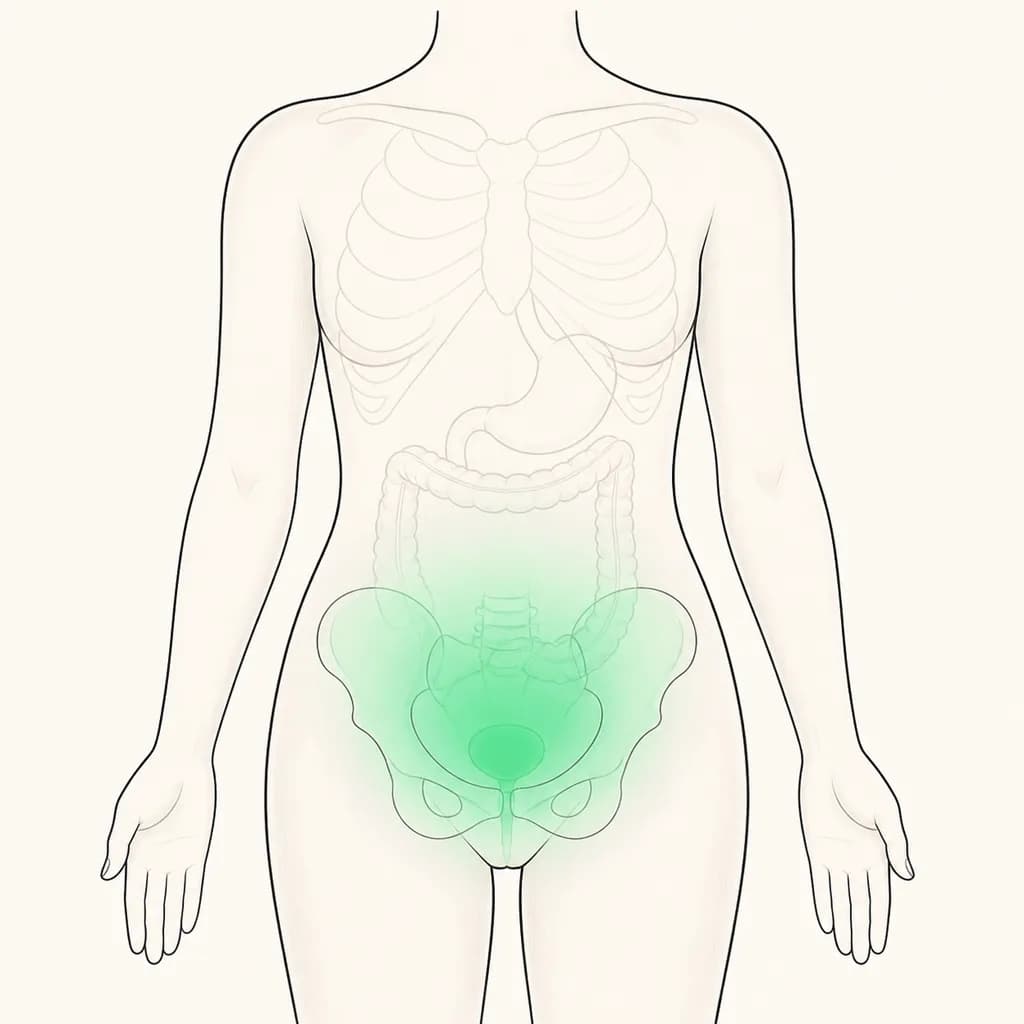
In a typical cycle, communication between the brain, ovaries and uterus helps an egg mature and triggers ovulation. Polycystic ovary syndrome can alter this hormone pattern. Follicles may begin developing without one becoming ready to release an egg, or ovulation may happen unpredictably. When ovulation is delayed or does not occur, the usual rise in progesterone is absent or delayed. The uterine lining can then build for longer before bleeding occurs, which may lead to widely spaced, unpredictable or sometimes heavier periods.
Irregular periods is a very common presentation of polycystic ovary syndrome. The condition can also involve acne, increased facial or body hair, scalp hair thinning or difficulty becoming pregnant, but symptoms vary and not everyone has the same pattern. Having irregular periods alone does not establish the cause; pregnancy, thyroid disorders, stress, changes in weight, certain medicines and other reproductive conditions can also affect cycle timing.
What you can do next
Track the first day of each bleed, how long bleeding lasts, and any spotting, pain or other symptoms. Bring this record to a clinician. They may ask about pregnancy possibility, medicines, recent health changes and signs of androgen-related symptoms, then choose tests based on your history. Treatment is tailored to your goals, such as making bleeding more predictable, protecting the uterine lining, managing unwanted hair or acne, or planning a pregnancy. Do not start hormones or other period treatments without medical advice, especially if pregnancy is possible.
When to seek medical care
Arrange a medical review if your periods become irregular, stop unexpectedly, or change from your usual pattern, because identifying the cause helps guide safe treatment. Seek urgent care for bleeding that is soaking through protection repeatedly, severe or worsening pelvic pain, fainting, marked weakness, or bleeding during pregnancy. A clinician should also assess prolonged gaps between periods; the uterine lining may need protection when ovulation is infrequent.
Questions for your doctor
You could ask: What other causes of irregular bleeding should be checked? How will we know whether I am ovulating? Do I need a plan to protect the uterine lining? Which treatment fits my pregnancy plans and other health needs? What bleeding or pain changes should prompt urgent help?
Find care
General Clinics & Polyclinics in Abu Dhabi
That answer is general. If you want it applied to your own case, these are licensed general clinics & polyclinics listed in Abu Dhabi.
27 Ar Ruwwad St - Shakhbout City - MSH4 - Abu Dhabi - United Arab Emirates
Accepts: Daman, Thiqa, Cigna, MetLife +20 more
Al Ruwais, Al Dhafrah
Accepts: Daman, Thiqa, AXA, Cigna +16 more
Al Bahyah - Al Bahyah Old - Abu Dhabi - United Arab Emirates
Accepts: Daman, Thiqa, Cigna, Allianz Care +18 more
Abu Dhabi
Accepts: Daman, Thiqa, AXA, Cigna +27 more
Ordered by verification status and how complete each clinic's public record is, then alphabetically. This is a directory listing, not a ranking — Zavis does not rate or recommend providers.
A factual listing drawn from the DHA, DOH and MOHAP licence registers. It is not a referral, an endorsement, or advice that any of these providers is right for you.
Questions people ask
Can polycystic ovary syndrome cause missed periods?
Yes. If ovulation is delayed or does not occur, a period may be late or absent. Other causes of a missed period, including pregnancy, should still be considered.
Do irregular periods confirm polycystic ovary syndrome?
No. Irregular periods can have several causes, so a clinician uses your symptoms, history and appropriate assessment rather than cycle timing alone.
Related
Related reading
Keep reading
Medical disclaimer. This page is general health information, not medical advice, and it cannot diagnose you. Always consult a licensed healthcare provider about your own symptoms and treatment. In an emergency in the UAE, call 998 for an ambulance.