
When to worry about heavy periods with polycystic ovary syndrome
Short answer
Heavy Periods is a common presentation of Polycystic Ovary Syndrome. Seek medical advice if bleeding is difficult to manage, disrupts daily life, or comes with weakness, breathlessness, dizziness, or severe pain.
This answers one question. It is not a diagnosis and does not replace an assessment by a licensed doctor.
At a glance
- Common link
- Heavy periods can occur when polycystic ovary syndrome disrupts ovulation.
- Track
- Bleeding days, protection changes, clots, pain, dizziness, and fatigue.
What this can mean
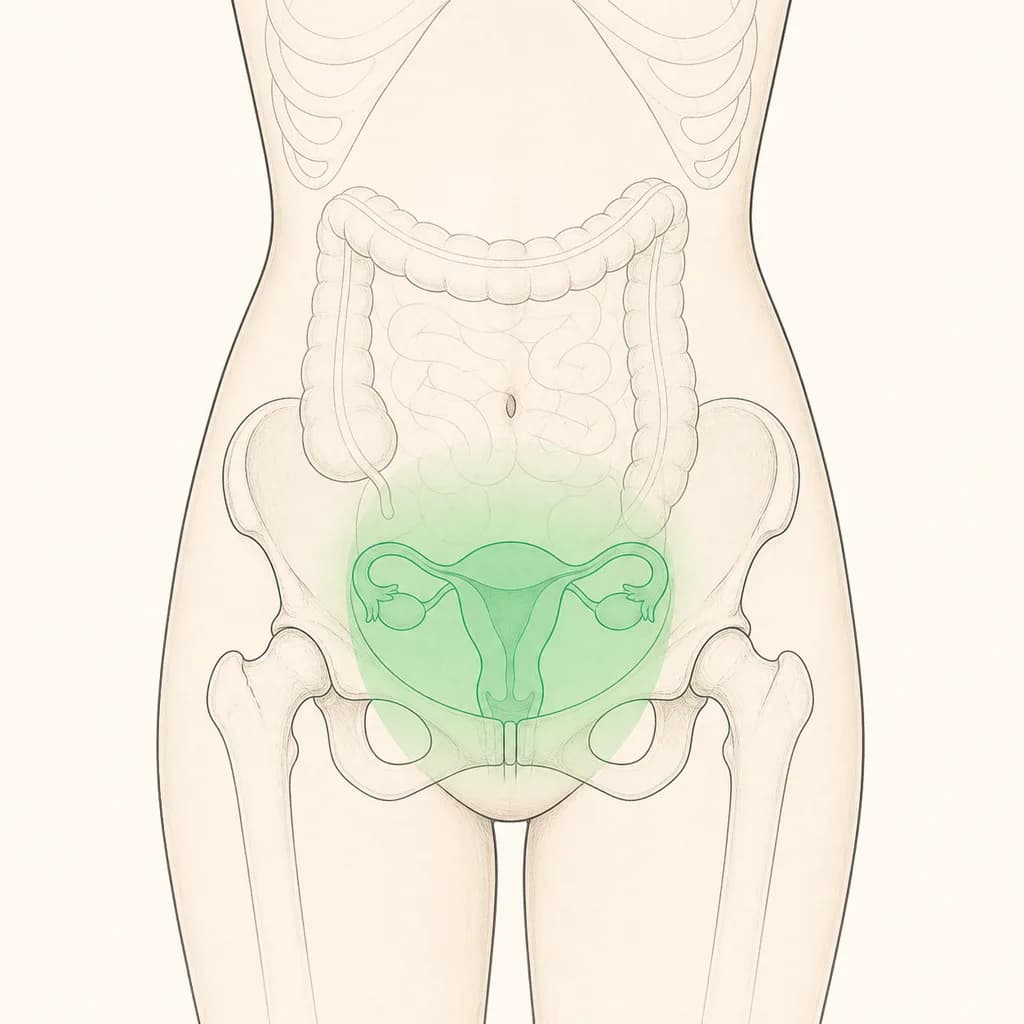
Polycystic ovary syndrome can make ovulation irregular. When periods are spaced apart, the lining of the womb may build up for longer before bleeding begins. The next period can then be heavier or last longer. Heavy bleeding may also have another cause, so do not assume every change is part of the syndrome.
Notice how often you change pads or tampons, whether you pass clots, how many days bleeding lasts, and whether you feel unusually tired. These details help a clinician assess blood loss and decide whether tests or treatment are needed.
What to do now
Arrange a routine appointment if heavy periods recur, continue beyond your usual pattern, or leave you too tired to work, study, exercise, or sleep normally. Bring a record of bleeding, cycle gaps, medicines, and any chance of pregnancy. Ask about options that regulate bleeding and protect the womb lining, tailored to your health and pregnancy plans.
While waiting, rest when needed, drink fluids, and follow the label or a clinician’s advice for any pain medicine. Avoid taking someone else’s prescription or doubling a dose because bleeding is heavy.
When to seek urgent care
Get urgent medical help if you are soaking through protection repeatedly, feel faint or confused, have trouble breathing, chest discomfort, a racing heartbeat, severe abdominal pain, or bleeding during pregnancy. Seek prompt assessment if you cannot keep up with fluid loss or feel suddenly much weaker than usual.
Questions for your doctor
Ask whether the bleeding pattern fits irregular ovulation, whether you should be checked for anaemia or another cause, and which treatment is suitable if you may want pregnancy soon. You can also ask how to recognise a recurrence that needs earlier review.
Find care
General Clinics & Polyclinics in Abu Dhabi
That answer is general. If you want it applied to your own case, these are licensed general clinics & polyclinics listed in Abu Dhabi.
27 Ar Ruwwad St - Shakhbout City - MSH4 - Abu Dhabi - United Arab Emirates
Accepts: Daman, Thiqa, Cigna, MetLife +20 more
Al Ruwais, Al Dhafrah
Accepts: Daman, Thiqa, AXA, Cigna +16 more
Al Bahyah - Al Bahyah Old - Abu Dhabi - United Arab Emirates
Accepts: Daman, Thiqa, Cigna, Allianz Care +18 more
Abu Dhabi
Accepts: Daman, Thiqa, AXA, Cigna +27 more
Ordered by verification status and how complete each clinic's public record is, then alphabetically. This is a directory listing, not a ranking — Zavis does not rate or recommend providers.
A factual listing drawn from the DHA, DOH and MOHAP licence registers. It is not a referral, an endorsement, or advice that any of these providers is right for you.
Questions people ask
Can polycystic ovary syndrome make a period heavy after a long gap?
Yes. Irregular ovulation can allow the womb lining to build for longer, followed by heavier bleeding.
Should every heavy period be treated as an emergency?
No. Repeated or disruptive bleeding needs medical review, while faintness, breathing trouble, severe pain, or pregnancy-related bleeding needs urgent help.
Related
Related reading
Keep reading
Medical disclaimer. This page is general health information, not medical advice, and it cannot diagnose you. Always consult a licensed healthcare provider about your own symptoms and treatment. In an emergency in the UAE, call 998 for an ambulance.