
When Is a Thyroid Function Test Recommended for Hyperthyroidism?
Short answer
A thyroid function test is recommended when hyperthyroidism is suspected from symptoms or examination, and it is also used to monitor thyroid activity after diagnosis or during treatment.
This answers one question. It is not a diagnosis and does not replace an assessment by a licensed doctor.
At a glance
- Test role
- Assesses thyroid activity and supports follow-up
- Mention
- Medicines, supplements, pregnancy, and heart symptoms
- Urgent symptoms
- Chest pain, fainting, severe breathlessness, or confusion
What the blood test clarifies
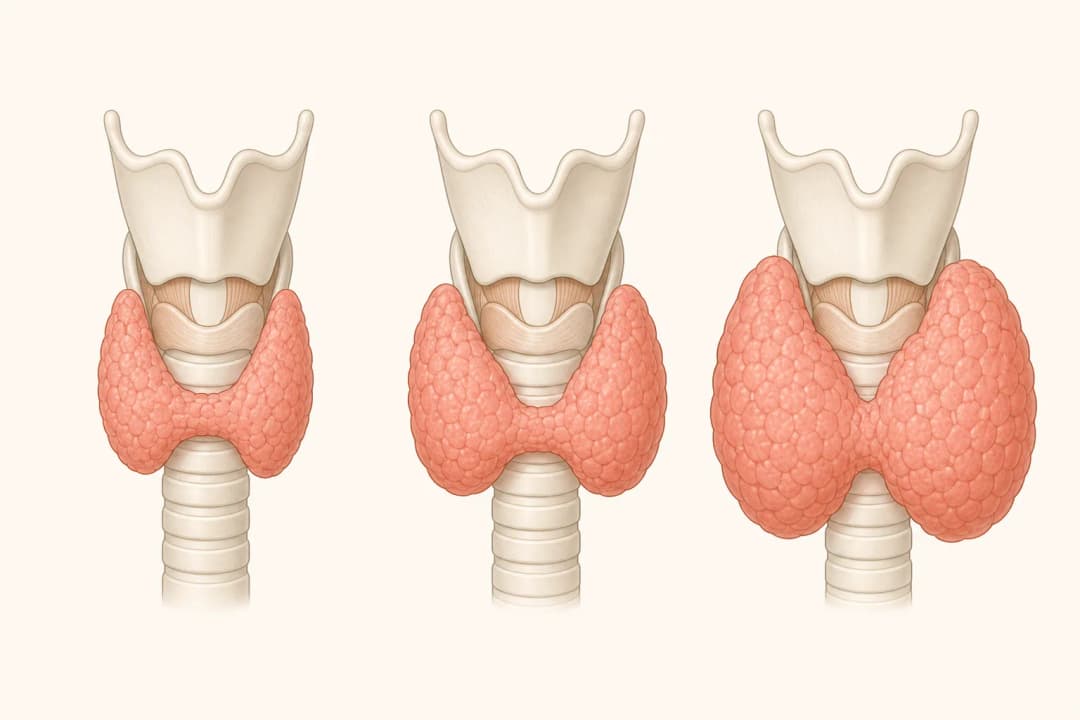
Hyperthyroidism means the thyroid is producing or releasing more hormone activity than the body needs. Possible features include a fast or irregular heartbeat, tremor, sweating, heat intolerance, anxiety, trouble sleeping, frequent bowel movements, or unexplained weight change. These symptoms have other possible causes, so a blood test is used to assess thyroid-stimulating hormone and thyroid hormones. The pattern can support a diagnosis and show whether treatment is bringing thyroid activity towards the intended range. Further tests may be needed to identify the cause rather than relying on blood results alone.
Before and after testing
Tell the clinician about symptoms, heart problems, pregnancy, recent illness, and every medicine or supplement you take. Biotin-containing supplements and thyroid medicines can affect interpretation, so ask whether anything should be paused; do not stop prescribed medicine without advice. If hyperthyroidism is already diagnosed, attend follow-up testing at the interval recommended for your treatment. Keep a record of new palpitations, tremor, heat intolerance, or changes in weight and energy.
When symptoms need urgent care
Seek emergency help for chest pain, severe breathlessness, fainting, confusion, or a very fast or irregular heartbeat with marked weakness. Urgent assessment is also needed for rapidly worsening symptoms, high fever with agitation, or severe vomiting and dehydration. Do not wait for a routine thyroid test when you feel acutely unwell.
Questions to ask
Ask which thyroid markers will be checked, whether your medicines or supplements affect interpretation, whether you need tests to identify the cause, and when the result will change your treatment plan. Confirm when repeat testing is expected and which symptoms should prompt earlier review.
Find care
General Clinics & Polyclinics in Abu Dhabi
That answer is general. If you want it applied to your own case, these are licensed general clinics & polyclinics listed in Abu Dhabi.
27 Ar Ruwwad St - Shakhbout City - MSH4 - Abu Dhabi - United Arab Emirates
Accepts: Daman, Thiqa, Cigna, MetLife +20 more
Al Ruwais, Al Dhafrah
Accepts: Daman, Thiqa, AXA, Cigna +16 more
Al Bahyah - Al Bahyah Old - Abu Dhabi - United Arab Emirates
Accepts: Daman, Thiqa, Cigna, Allianz Care +18 more
Abu Dhabi
Accepts: Daman, Thiqa, AXA, Cigna +27 more
Ordered by verification status and how complete each clinic's public record is, then alphabetically. This is a directory listing, not a ranking — Zavis does not rate or recommend providers.
A factual listing drawn from the DHA, DOH and MOHAP licence registers. It is not a referral, an endorsement, or advice that any of these providers is right for you.
Questions people ask
Can symptoms alone confirm hyperthyroidism?
No. Symptoms can overlap with other conditions, so thyroid function testing helps determine whether thyroid activity is abnormal.
Why repeat the test after diagnosis?
Repeat testing shows how thyroid activity responds over time and helps clinicians decide whether the treatment plan needs adjustment.
Related
Related reading
Keep reading
Medical disclaimer. This page is general health information, not medical advice, and it cannot diagnose you. Always consult a licensed healthcare provider about your own symptoms and treatment. In an emergency in the UAE, call 998 for an ambulance.