
When is a diabetes education programme recommended for type 2 diabetes?
Short answer
A diabetes education programme is recommended at diagnosis and whenever type 2 diabetes care, understanding or routines need focused support.
This answers one question. It is not a diagnosis and does not replace an assessment by a licensed doctor.
At a glance
- Useful timing
- Diagnosis or treatment change
- Topics
- Food, movement, medicines and monitoring
- Tell the team
- Any barrier to following the plan
Why structured teaching can help
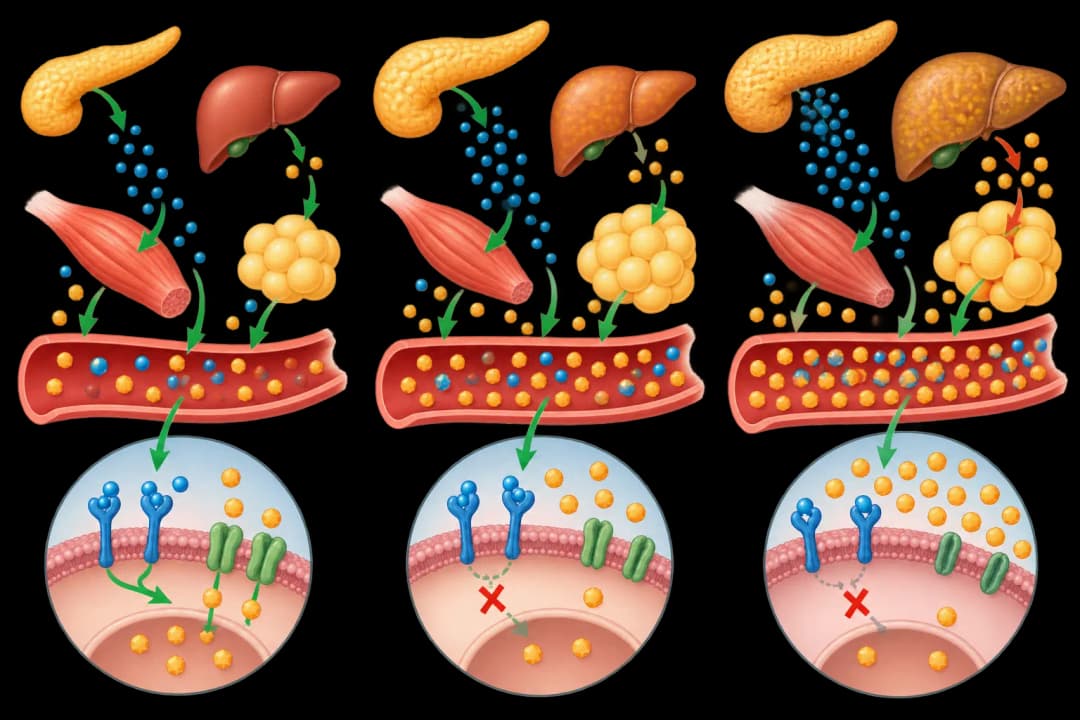
Type 2 diabetes affects how the body uses insulin and often changes over time. Education explains glucose monitoring, food choices, movement, sleep, medicines and foot care in a way that can be used at home. It also helps you understand why follow-up checks matter and how illness or a change in routine may affect glucose.
A programme may be especially useful after diagnosis, when treatment changes, when readings are difficult to interpret, or when barriers make the agreed plan hard to follow. It can also support people who want practical help with meal planning, activity, weight goals or preventing low glucose while taking certain medicines.
Making the learning practical
Before a session, write down your medicines, usual meals, activity, glucose readings and the situations that cause uncertainty. Ask the educator to demonstrate the skills you use, such as glucose checks, medicine timing, foot inspection or planning for travel and celebrations.
Choose one or two changes that fit your daily life and arrange follow-up if you need help. Do not stop or alter prescribed medicine without advice. If cost, work hours, language, vision or dexterity makes the plan difficult, tell the care team so the teaching can be adapted.
When to seek medical help
Seek urgent help for severe confusion, fainting, a seizure, trouble breathing, repeated vomiting or inability to keep fluids down. Contact your clinician promptly if glucose readings stay outside your agreed range, you are ill and cannot follow your usual plan, or you have symptoms of a low glucose episode that keep returning.
Questions for your doctor
Ask which education topics match your treatment, whether a family member can attend, how to record glucose readings, and when your medicines should be reviewed. Ask for clear sick-day instructions and advice tailored to your meals, activity and work pattern.
Find care
General Clinics & Polyclinics in Abu Dhabi
That answer is general. If you want it applied to your own case, these are licensed general clinics & polyclinics listed in Abu Dhabi.
27 Ar Ruwwad St - Shakhbout City - MSH4 - Abu Dhabi - United Arab Emirates
Accepts: Daman, Thiqa, Cigna, MetLife +20 more
Al Ruwais, Al Dhafrah
Accepts: Daman, Thiqa, AXA, Cigna +16 more
Al Bahyah - Al Bahyah Old - Abu Dhabi - United Arab Emirates
Accepts: Daman, Thiqa, Cigna, Allianz Care +18 more
Abu Dhabi
Accepts: Daman, Thiqa, AXA, Cigna +27 more
Ordered by verification status and how complete each clinic's public record is, then alphabetically. This is a directory listing, not a ranking — Zavis does not rate or recommend providers.
A factual listing drawn from the DHA, DOH and MOHAP licence registers. It is not a referral, an endorsement, or advice that any of these providers is right for you.
Questions people ask
Is diabetes education useful if I do not use insulin?
Yes. It can support medicine routines, food choices, movement, glucose monitoring, sick-day planning and prevention of complications.
What should I bring to a session?
Bring your medicine list, glucose records, usual meal and activity patterns, and questions about situations that make self-management difficult.
Related
Related reading
Keep reading
Medical disclaimer. This page is general health information, not medical advice, and it cannot diagnose you. Always consult a licensed healthcare provider about your own symptoms and treatment. In an emergency in the UAE, call 998 for an ambulance.