
What to know about type 2 diabetes in older adults
Short answer
Type 2 diabetes in older adults needs an individual plan that balances glucose control, daily function, medicines and safety.
This answers one question. It is not a diagnosis and does not replace an assessment by a licensed doctor.
At a glance
- Care focus
- Glucose control balanced with function and safety
- Daily checks
- Medicines, glucose, feet and hydration
- Review needs
- Eyes, kidneys, feet and cardiovascular health
How it can affect later life
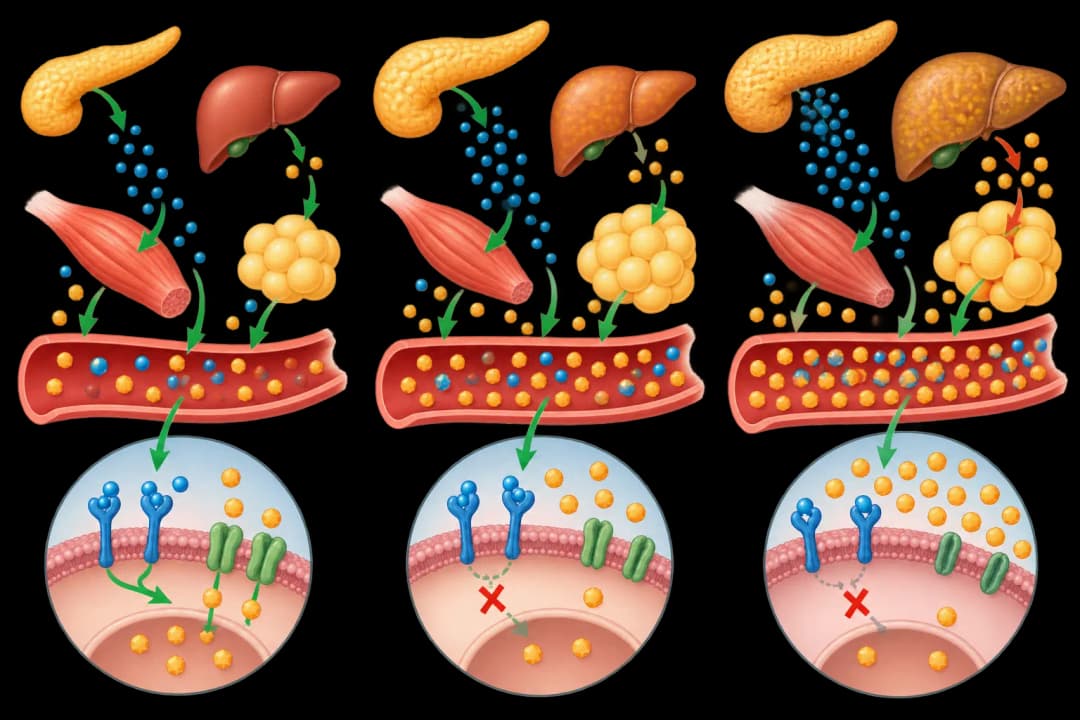
Type 2 diabetes changes how the body uses glucose and can gradually affect blood vessels, nerves, kidneys, eyes and the heart. Older adults may also notice that illness, reduced appetite, memory problems, limited mobility or several medicines make daily management harder. Low blood glucose can cause sweating, shaking, dizziness, confusion or unusual behaviour, while high glucose may cause thirst and frequent urination. Symptoms can be subtle, so scheduled reviews matter.
Building a safer routine
Take medicines exactly as prescribed and keep a current list of every medicine, including non-prescription products. Check glucose as advised and record unusual readings or symptoms. Eat regular nourishing meals, drink enough fluid unless a clinician has set a fluid limit, and choose activity that matches your balance and strength. Check feet for blisters, cracks or colour changes, and arrange eye, kidney, blood pressure and foot reviews. Ask for help with devices if vision, hearing or dexterity makes testing difficult.
When to seek medical care
Get urgent help for severe confusion, fainting, seizures, difficult breathing, persistent vomiting or inability to keep fluids down. Seek prompt advice for repeated low or high glucose readings, a new foot wound, spreading redness, fever or sudden weakness. During an infection or reduced appetite, contact the diabetes team about medicines and monitoring rather than making major changes alone. A family member or carer should know the warning signs and how to get help.
Questions for your doctor
What glucose range is appropriate for me? Which symptoms suggest low glucose? Can my medicines affect balance, appetite or memory? What support is available for meals, foot care, testing and exercise?
Find care
General Clinics & Polyclinics in Abu Dhabi
That answer is general. If you want it applied to your own case, these are licensed general clinics & polyclinics listed in Abu Dhabi.
27 Ar Ruwwad St - Shakhbout City - MSH4 - Abu Dhabi - United Arab Emirates
Accepts: Daman, Thiqa, Cigna, MetLife +20 more
Al Ruwais, Al Dhafrah
Accepts: Daman, Thiqa, AXA, Cigna +16 more
Al Bahyah - Al Bahyah Old - Abu Dhabi - United Arab Emirates
Accepts: Daman, Thiqa, Cigna, Allianz Care +18 more
Abu Dhabi
Accepts: Daman, Thiqa, AXA, Cigna +27 more
Ordered by verification status and how complete each clinic's public record is, then alphabetically. This is a directory listing, not a ranking — Zavis does not rate or recommend providers.
A factual listing drawn from the DHA, DOH and MOHAP licence registers. It is not a referral, an endorsement, or advice that any of these providers is right for you.
Questions people ask
Should every older adult aim for the same glucose target?
No. Targets are personalised around health conditions, medicines, daily function, frailty and the risk of low glucose.
Why can low glucose be especially concerning?
It may cause confusion, falls, fainting or seizures. A clinician can explain prevention and what to do when symptoms occur.
Related
Related reading
Keep reading
Medical disclaimer. This page is general health information, not medical advice, and it cannot diagnose you. Always consult a licensed healthcare provider about your own symptoms and treatment. In an emergency in the UAE, call 998 for an ambulance.