
What to expect from ovarian drilling for polycystic ovary syndrome
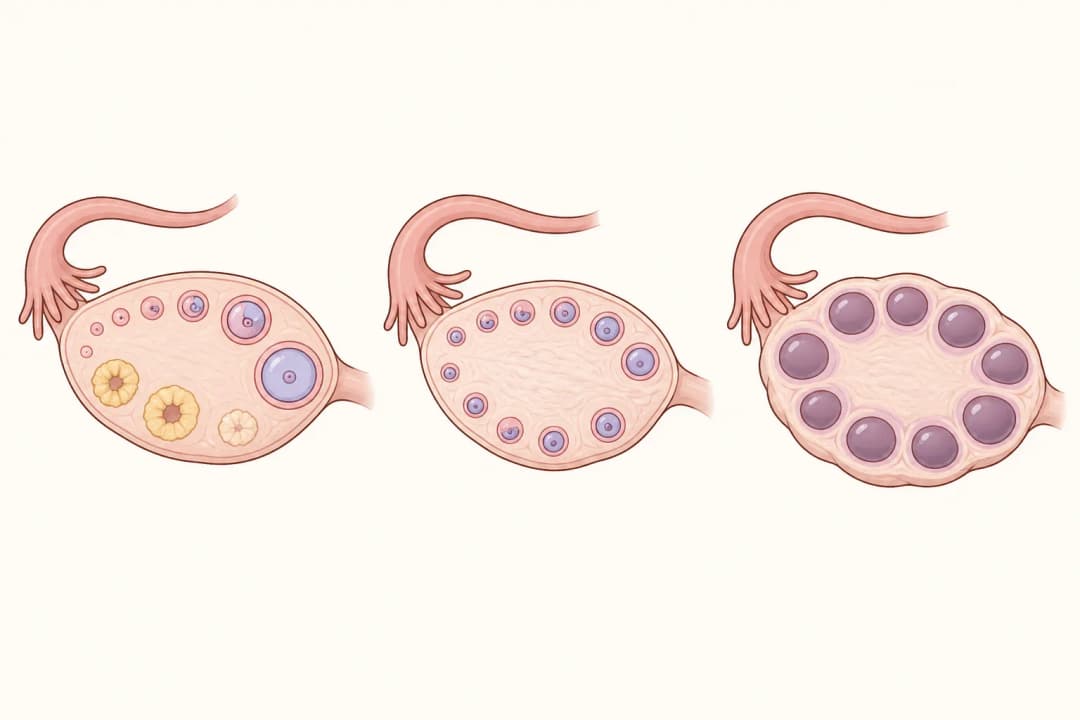
Short answer
For polycystic ovary syndrome, ovarian drilling is a keyhole procedure that treats selected ovarian tissue and is followed by monitoring to see whether ovulation becomes more regular.
This answers one question. It is not a diagnosis and does not replace an assessment by a licensed doctor.
At a glance
- Surgical route
- Keyhole abdominal surgery
- Target
- Selected ovarian tissue
- Assessment
- Ovulation and cycles are monitored afterwards
What the operation means
A surgeon uses a camera through small abdominal openings while you are under anaesthesia. Carefully placed openings are made in ovarian tissue with a chosen surgical technique. The aim is to alter ovarian hormone activity enough to support ovulation; it does not remove the ovaries or cure every feature of polycystic ovary syndrome.
After surgery, abdominal soreness, bloating, fatigue and light bleeding may occur. Your periods may change over time rather than immediately. Follow-up may involve cycle records, hormone tests or ultrasound, and your clinician will explain how pregnancy attempts or other fertility treatment fit into the plan.
Practical preparation and aftercare
Share your medicines, allergies, medical conditions and pregnancy possibility before the operation. Organise transport and support at home, follow fasting and medication instructions, and care for the incisions exactly as directed. Gradually return to activity, avoiding heavy exertion until you receive clearance.
Track pain, bleeding and menstrual changes and attend follow-up even if you feel well. Ovarian drilling is not suitable for everyone, so discuss alternatives and how your broader PCOS care will continue. Read about [Polycystic Ovary Syndrome](/conditions/polycystic-ovary-syndrome/) and [Ovarian Drilling](/treatments/gynaecological-surgery/ovarian-drilling/).
When to contact the team
Get prompt medical advice for fever, chills, worsening abdominal pain, heavy bleeding, persistent vomiting, a red or draining incision, painful urination, faintness or breathing difficulty. Sudden severe pain, collapse or severe weakness requires emergency assistance. These signs should be assessed rather than attributed to PCOS or normal recovery.
Questions for your doctor
Ask why drilling is recommended for your PCOS, which alternatives you could try, how the surgeon will limit injury to ovarian tissue, and how ovulation will be checked. Clarify when sex, exercise and fertility treatment can restart, plus the exact symptoms that require an urgent call.
Find care
General Clinics & Polyclinics in Abu Dhabi
That answer is general. If you want it applied to your own case, these are licensed general clinics & polyclinics listed in Abu Dhabi.
27 Ar Ruwwad St - Shakhbout City - MSH4 - Abu Dhabi - United Arab Emirates
Accepts: Daman, Thiqa, Cigna, MetLife +20 more
Al Ruwais, Al Dhafrah
Accepts: Daman, Thiqa, AXA, Cigna +16 more
Al Bahyah - Al Bahyah Old - Abu Dhabi - United Arab Emirates
Accepts: Daman, Thiqa, Cigna, Allianz Care +18 more
Abu Dhabi
Accepts: Daman, Thiqa, AXA, Cigna +27 more
Ordered by verification status and how complete each clinic's public record is, then alphabetically. This is a directory listing, not a ranking — Zavis does not rate or recommend providers.
A factual listing drawn from the DHA, DOH and MOHAP licence registers. It is not a referral, an endorsement, or advice that any of these providers is right for you.
Questions people ask
Will ovarian drilling treat all PCOS symptoms?
No. It is aimed at ovulation and does not replace personalised care for other PCOS-related concerns.
What if ovulation does not improve?
Your clinician can review the findings and discuss medication, other fertility options or a different plan.
Related
Related reading
Keep reading
Medical disclaimer. This page is general health information, not medical advice, and it cannot diagnose you. Always consult a licensed healthcare provider about your own symptoms and treatment. In an emergency in the UAE, call 998 for an ambulance.