
What to expect from a GP consultation for hyperthyroidism
Short answer
A GP consultation for hyperthyroidism usually includes symptom review, a neck and pulse examination, blood tests, and follow-up planning.
This answers one question. It is not a diagnosis and does not replace an assessment by a licensed doctor.
At a glance
- Examination
- Pulse, neck, hands and eyes may be checked
- Tests
- Thyroid blood tests are commonly arranged
What the assessment means
The GP may ask about weight change, heat intolerance, sweating, tremor, anxiety, sleep, diarrhoea, menstrual changes, palpitations and eye symptoms. They may ask about thyroid disease in your family, recent illness, pregnancy, and medicines or supplements that contain thyroid hormone or iodine.
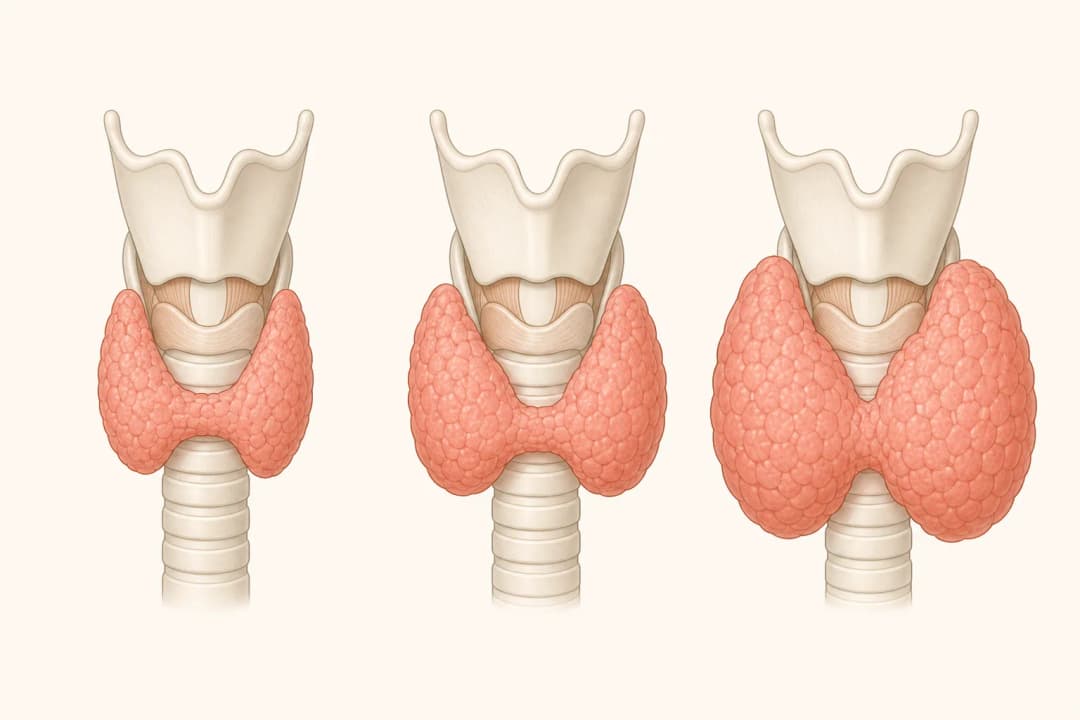
They may feel your neck for thyroid enlargement or nodules and check your pulse, blood pressure, hands and eyes. Blood tests commonly assess thyroid hormone levels and thyroid-stimulating hormone. Results help distinguish an overactive thyroid from other causes of similar symptoms and guide referral or treatment.
How to prepare and what happens next
Take a complete medicine and supplement list, including biotin products, and describe when symptoms began. Mention pregnancy, plans for pregnancy, heart rhythm problems, and any previous thyroid diagnosis. Do not stop prescribed medicine unless your clinician tells you to.
Your GP may arrange repeat blood tests, prescribe treatment, or refer you to an endocrinology service. Keep the follow-up appointment because symptoms and blood results may need review while treatment is adjusted.
When to seek urgent care
Get urgent help for severe or irregular palpitations with fainting, chest pain, marked breathlessness, confusion, or a very high temperature. Sudden worsening with agitation, vomiting or extreme weakness also needs prompt assessment.
Questions to ask your GP
Ask which tests are being arranged, when results will be reviewed, whether your medicines or supplements affect testing, and which symptoms should prompt urgent help.
Find care
General Clinics & Polyclinics in Abu Dhabi
That answer is general. If you want it applied to your own case, these are licensed general clinics & polyclinics listed in Abu Dhabi.
27 Ar Ruwwad St - Shakhbout City - MSH4 - Abu Dhabi - United Arab Emirates
Accepts: Daman, Thiqa, Cigna, MetLife +20 more
Al Ruwais, Al Dhafrah
Accepts: Daman, Thiqa, AXA, Cigna +16 more
Al Bahyah - Al Bahyah Old - Abu Dhabi - United Arab Emirates
Accepts: Daman, Thiqa, Cigna, Allianz Care +18 more
Abu Dhabi
Accepts: Daman, Thiqa, AXA, Cigna +27 more
Ordered by verification status and how complete each clinic's public record is, then alphabetically. This is a directory listing, not a ranking — Zavis does not rate or recommend providers.
A factual listing drawn from the DHA, DOH and MOHAP licence registers. It is not a referral, an endorsement, or advice that any of these providers is right for you.
Questions people ask
Can symptoms alone confirm hyperthyroidism?
No. Symptoms overlap with other conditions, so thyroid blood tests help establish the cause.
Should supplements be included in the medicine list?
Yes. Some supplements can affect thyroid testing or treatment decisions, so mention every product.
Related
Related reading
Keep reading
Medical disclaimer. This page is general health information, not medical advice, and it cannot diagnose you. Always consult a licensed healthcare provider about your own symptoms and treatment. In an emergency in the UAE, call 998 for an ambulance.