
What happens if pulmonary embolism is not treated?
Short answer
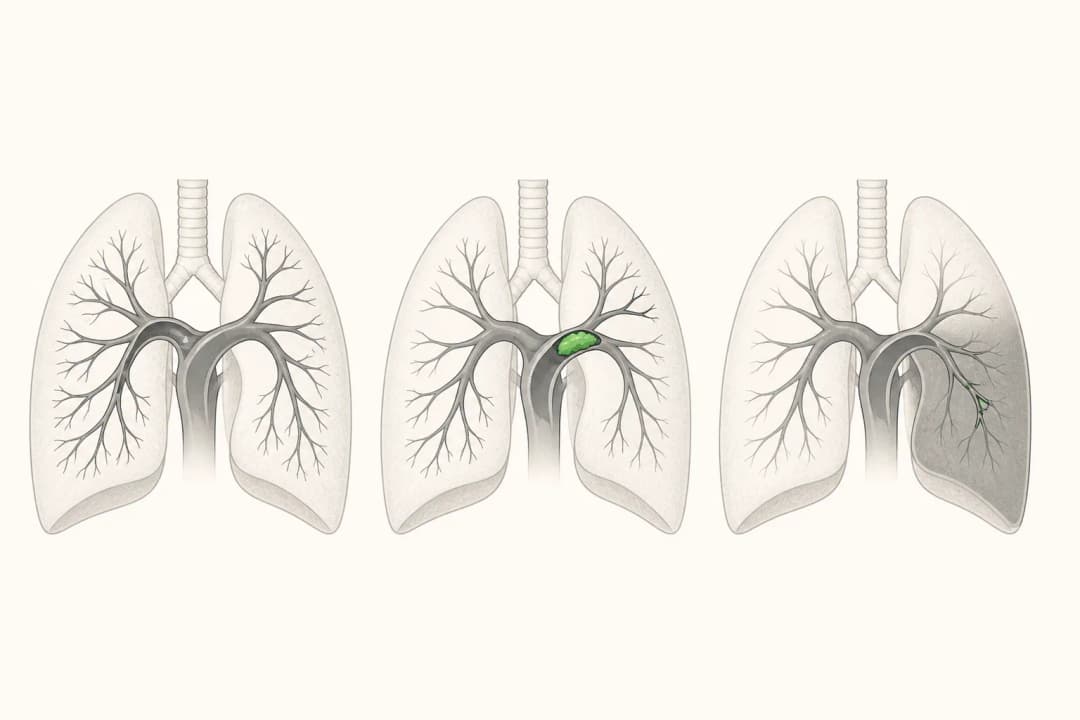
An untreated pulmonary embolism can block blood flow through the lungs, strain the heart, reduce oxygen delivery, and become life-threatening.
This answers one question. It is not a diagnosis and does not replace an assessment by a licensed doctor.
At a glance
- Main danger
- Blocked blood flow can strain the heart
- Typical response
- Emergency medical assessment
- Possible treatment
- Anticoagulation under medical supervision
What an untreated embolism can do
A pulmonary embolism is a clot that travels into a blood vessel in the lungs. If it remains untreated, the obstruction can make it harder for blood to pick up oxygen and harder for the heart to push blood through the lungs. A larger or multiple blockage can place sudden stress on the heart and may cause collapse.
Symptoms may intensify, including shortness of breath, chest pain, a fast heartbeat, dizziness, or coughing up blood. The clot may also coexist with a clot in a deep vein, which can enlarge or travel further. Prompt assessment is needed because the seriousness cannot be judged safely from symptoms alone.
What to do if pulmonary embolism is suspected
Treat suspected pulmonary embolism as an emergency. Call local emergency services for sudden breathlessness, chest pain, fainting, marked weakness, or coughing up blood, and do not drive yourself. Sit or lie in a position that makes breathing easier while waiting for help, and avoid exertion.
Hospital assessment may include monitoring, blood tests, and imaging to confirm the diagnosis and judge its effect on the heart and lungs. Treatment may include anticoagulation or other urgent measures chosen by the medical team. Do not start, stop, or share blood-thinning medicine without medical direction.
When to seek emergency care
Call emergency services immediately for sudden or worsening shortness of breath, chest pain that may worsen with breathing, coughing up blood, fainting, confusion, blue or grey lips, or a very fast heartbeat with weakness. Symptoms can become dangerous quickly, so do not wait for them to pass or arrange a routine appointment.
Questions for your doctor
After urgent care, ask where the clot is located, how long anticoagulation is expected to continue, which warning signs require emergency help, and how to take or monitor the prescribed medicine. Tell the team about bleeding, recent procedures, pregnancy, or medicines that may affect clotting.
Find care
General Clinics & Polyclinics in Abu Dhabi
That answer is general. If you want it applied to your own case, these are licensed general clinics & polyclinics listed in Abu Dhabi.
27 Ar Ruwwad St - Shakhbout City - MSH4 - Abu Dhabi - United Arab Emirates
Accepts: Daman, Thiqa, Cigna, MetLife +20 more
Al Ruwais, Al Dhafrah
Accepts: Daman, Thiqa, AXA, Cigna +16 more
Al Bahyah - Al Bahyah Old - Abu Dhabi - United Arab Emirates
Accepts: Daman, Thiqa, Cigna, Allianz Care +18 more
Abu Dhabi
Accepts: Daman, Thiqa, AXA, Cigna +27 more
Ordered by verification status and how complete each clinic's public record is, then alphabetically. This is a directory listing, not a ranking — Zavis does not rate or recommend providers.
A factual listing drawn from the DHA, DOH and MOHAP licence registers. It is not a referral, an endorsement, or advice that any of these providers is right for you.
Questions people ask
Can a pulmonary embolism get worse if untreated?
Yes. The blockage can impair oxygen transfer and increase strain on the heart, with a risk of sudden deterioration.
Should I go to a GP for suspected pulmonary embolism?
Sudden breathlessness, chest pain, fainting, or coughing up blood needs emergency services rather than a routine GP visit.
What happens after a pulmonary embolism is diagnosed?
The medical team monitors breathing and circulation, confirms the clot and its effect, and selects treatment such as anticoagulation when appropriate.
Related
Related reading
Keep reading
Medical disclaimer. This page is general health information, not medical advice, and it cannot diagnose you. Always consult a licensed healthcare provider about your own symptoms and treatment. In an emergency in the UAE, call 998 for an ambulance.