
What happens if a migraine is not treated?
Short answer
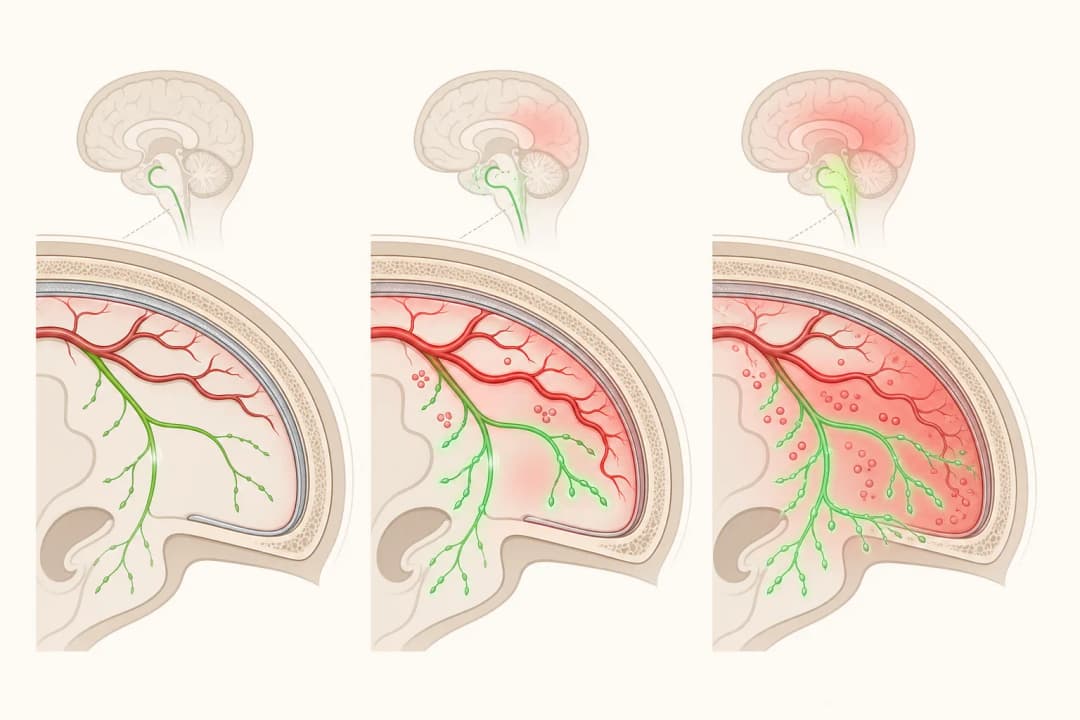
If a migraine is not treated, pain and associated symptoms may last longer, disrupt daily activities and become harder to control.
This answers one question. It is not a diagnosis and does not replace an assessment by a licensed doctor.
At a glance
- Common impact
- Untreated attacks can disrupt sleep, work and concentration.
- Track
- Record timing, symptoms, triggers and medicine response.
What untreated migraine can involve
A migraine attack may include Headache, nausea, light sensitivity, dizziness, blurred vision or facial pain and pressure. Without timely relief, symptoms can continue into the next day and make eating, sleeping, working or concentrating difficult. Repeated attacks may lead to missed activities and increased reliance on pain medicines.
Frequent use of some acute pain medicines can itself contribute to medication-overuse headache. A symptom diary can help identify sleep changes, skipped meals, dehydration, stress, hormonal patterns or sensory triggers without assuming every headache is migraine.
What to do next
Rest in a quiet, dim room, drink fluids if able, and use treatment prescribed or recommended for you as directed. Arrange a clinical review when attacks recur, last longer than usual, interfere with life, or are not responding to your usual plan. A Telemedicine Consultation may help with an initial review when an in-person visit is difficult.
Bring a record of timing, symptoms, possible triggers, medicines taken and response. Do not repeatedly increase doses or combine products without checking the label or speaking with a clinician.
When to seek urgent care
Seek emergency help for a sudden severe headache, new weakness or numbness, confusion, fainting, seizure, persistent blurred vision, fever with neck stiffness, or a headache after a significant injury. Urgent review is also needed when a first severe headache differs clearly from previous attacks.
Questions for your doctor
Ask: Does my pattern fit migraine? What should I take at the first sign? How often can I use acute medicine? Do I need preventive treatment? Which symptoms mean I should seek emergency care?
Find care
General Clinics & Polyclinics in Abu Dhabi
That answer is general. If you want it applied to your own case, these are licensed general clinics & polyclinics listed in Abu Dhabi.
27 Ar Ruwwad St - Shakhbout City - MSH4 - Abu Dhabi - United Arab Emirates
Accepts: Daman, Thiqa, Cigna, MetLife +20 more
Al Ruwais, Al Dhafrah
Accepts: Daman, Thiqa, AXA, Cigna +16 more
Al Bahyah - Al Bahyah Old - Abu Dhabi - United Arab Emirates
Accepts: Daman, Thiqa, Cigna, Allianz Care +18 more
Abu Dhabi
Accepts: Daman, Thiqa, AXA, Cigna +27 more
Ordered by verification status and how complete each clinic's public record is, then alphabetically. This is a directory listing, not a ranking — Zavis does not rate or recommend providers.
A factual listing drawn from the DHA, DOH and MOHAP licence registers. It is not a referral, an endorsement, or advice that any of these providers is right for you.
Questions people ask
Can untreated migraine become more frequent?
Recurring attacks may become harder to manage, especially when acute medicines are used too often, so review is worthwhile.
When is a headache not suitable for self-care?
A sudden severe or distinctly unusual headache, especially with neurological symptoms, needs urgent medical assessment.
Keep reading
Medical disclaimer. This page is general health information, not medical advice, and it cannot diagnose you. Always consult a licensed healthcare provider about your own symptoms and treatment. In an emergency in the UAE, call 998 for an ambulance.