
What happens if hepatitis A is not treated?
Short answer
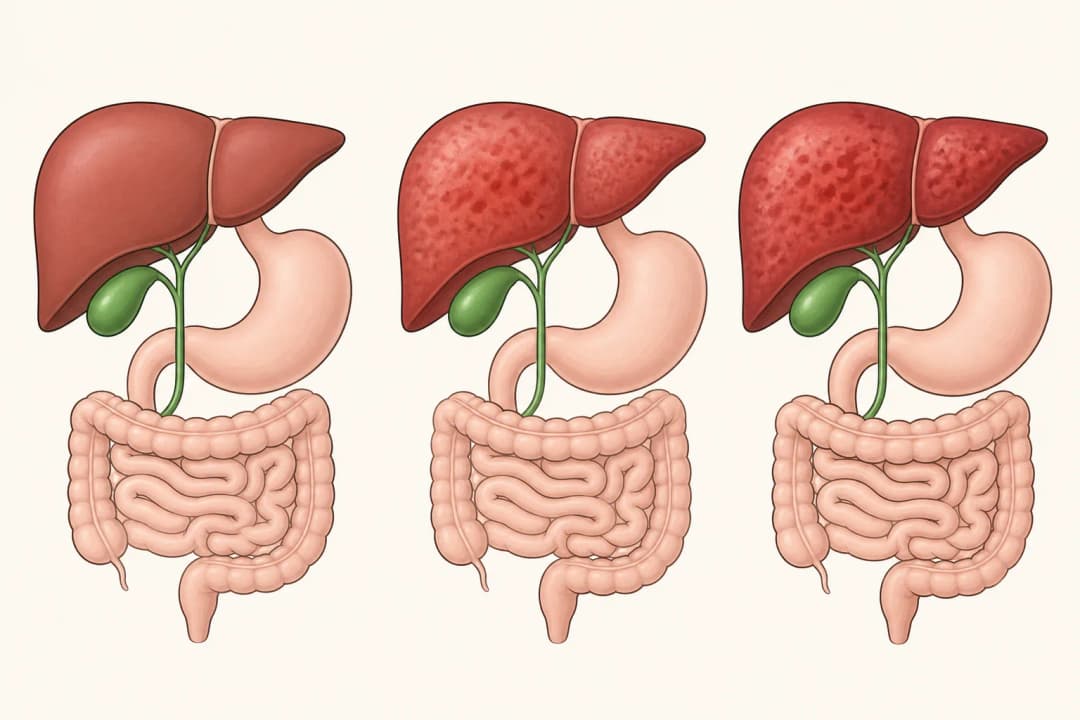
If hepatitis A is not treated, symptoms may continue or worsen, and the liver can become temporarily inflamed and less able to function.
This answers one question. It is not a diagnosis and does not replace an assessment by a licensed doctor.
At a glance
- Main issue
- Liver inflammation with fatigue, nausea or jaundice
- Monitoring
- Symptoms and liver function tests
- Urgent warning
- Confusion, collapse or repeated vomiting
What untreated hepatitis A can involve
Hepatitis A is an infection that inflames the liver. Feeling generally unwell, loss of appetite, nausea, dark urine and jaundice may develop as the liver processes bile less effectively. Tiredness can last after other symptoms improve. Most care is supportive, but dehydration, persistent vomiting or worsening liver inflammation can make recovery more difficult.
A liver function test can help a clinician assess liver irritation alongside your symptoms and examination. Unlike some other viral liver infections, hepatitis A does not usually become a long-term infection, but severe illness can occur and should not be ignored.
What to do next
Arrange medical advice if hepatitis A is suspected, especially with jaundice, dark urine or ongoing nausea. Rest, take fluids in small amounts if your stomach is unsettled, and eat what you can tolerate. Avoid alcohol and check before taking medicines or supplements because an inflamed liver may handle them differently. Wash hands carefully after using the toilet and avoid preparing food for others while advised to do so.
When to seek urgent care
Seek urgent help for confusion, unusual sleepiness, bleeding, severe abdominal pain, repeated vomiting, inability to drink, collapse or rapidly worsening jaundice. Prompt assessment is also needed if urine output falls or weakness becomes severe. A clinician can decide whether monitoring, fluids or hospital care is needed.
Questions for your doctor
Ask which tests are needed, how to protect household contacts, which foods and fluids are manageable, when work or school can safely resume, and which medicines to avoid. Ask whether hepatitis A vaccination is appropriate for close contacts or future prevention.
Find care
General Clinics & Polyclinics in Abu Dhabi
That answer is general. If you want it applied to your own case, these are licensed general clinics & polyclinics listed in Abu Dhabi.
27 Ar Ruwwad St - Shakhbout City - MSH4 - Abu Dhabi - United Arab Emirates
Accepts: Daman, Thiqa, Cigna, MetLife +20 more
Al Ruwais, Al Dhafrah
Accepts: Daman, Thiqa, AXA, Cigna +16 more
Al Bahyah - Al Bahyah Old - Abu Dhabi - United Arab Emirates
Accepts: Daman, Thiqa, Cigna, Allianz Care +18 more
Abu Dhabi
Accepts: Daman, Thiqa, AXA, Cigna +27 more
Ordered by verification status and how complete each clinic's public record is, then alphabetically. This is a directory listing, not a ranking — Zavis does not rate or recommend providers.
A factual listing drawn from the DHA, DOH and MOHAP licence registers. It is not a referral, an endorsement, or advice that any of these providers is right for you.
Questions people ask
Does hepatitis A always need a specific antiviral medicine?
Care is often supportive, but a clinician should assess symptoms and liver function and decide whether closer monitoring is needed.
Can hepatitis A spread at home?
Yes. It can spread through contaminated hands, food or water, so careful handwashing and medical advice about contacts are important.
Related
Related reading
Keep reading
Medical disclaimer. This page is general health information, not medical advice, and it cannot diagnose you. Always consult a licensed healthcare provider about your own symptoms and treatment. In an emergency in the UAE, call 998 for an ambulance.